Periods: The Complete Guide for African Women
Everything in one place: what a normal cycle looks like, how to track it, heavy and painful periods, PMS and PMDD, products, endometriosis and fibroids, periods from your first to perimenopause, and when to see a doctor.
TL;DR: For most adults, periods come every 21 to 35 days and last 2 to 7 days. Tracking the first day of each period, how heavy it is and how much it hurts turns your cycle into useful health information. Heavy bleeding, pain that stops your day, cycles that stop or change suddenly, and bleeding between periods, after sex or after menopause all deserve a doctor's attention. Fibroids and endometriosis are common causes of heavy and painful periods, and both are treatable.
Most of us learned about periods in whispers. A pad pressed into your hand, a warning not to tell anyone, an auntie saying the pain would ease once you had children. Whether you grew up in Kano, Kumasi, Mombasa or Peckham, the message was often the same: manage it quietly and do not make a fuss. This guide takes the opposite approach. Your period is one of the clearest signals your body sends about your health, and you deserve to understand it fully. Below is the whole picture, from what a typical cycle looks like to the conditions that make periods heavy or painful, with links to our deeper posts on each topic.
What does a normal period look like?
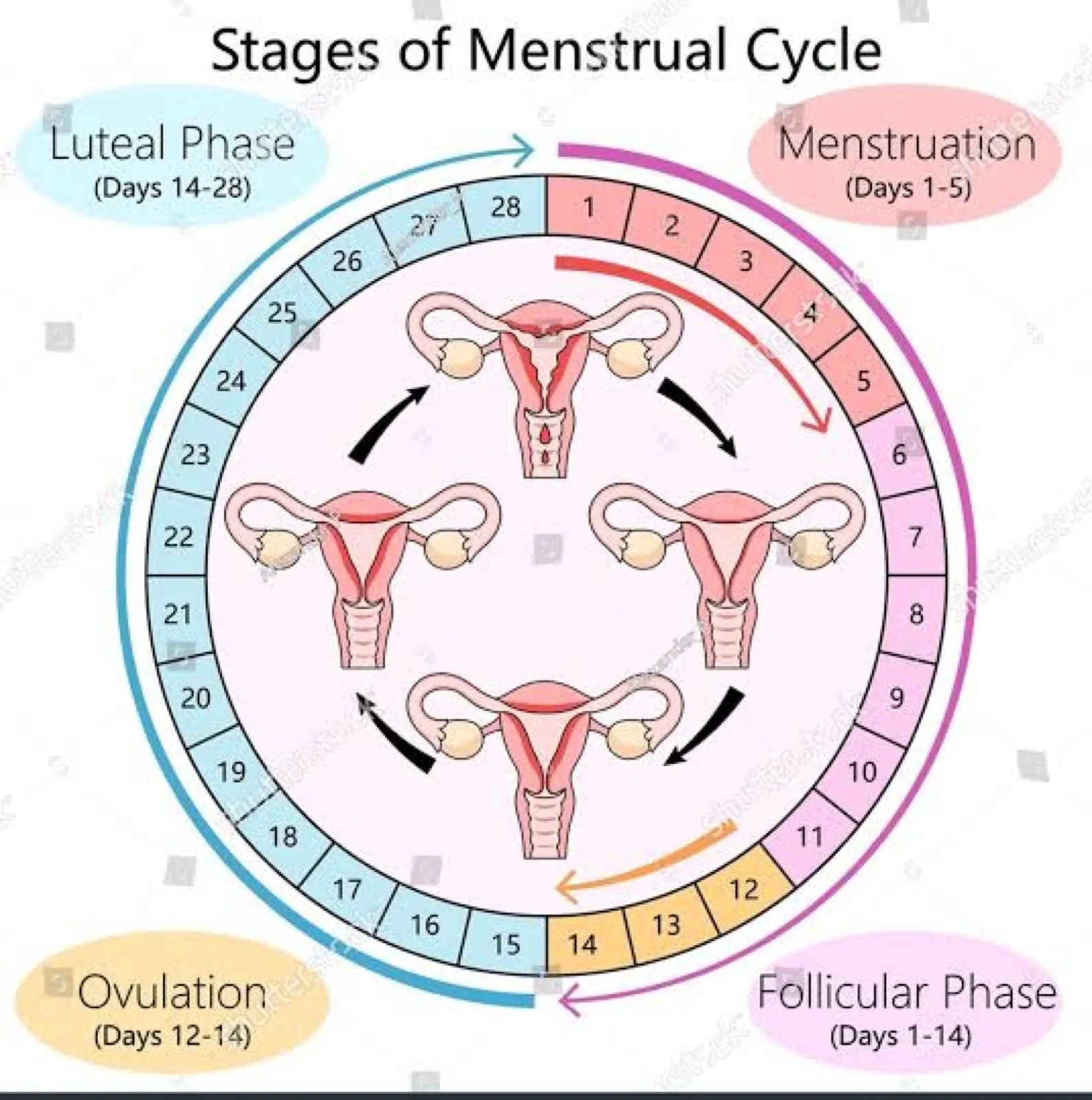
A normal period comes every 21 to 35 days, lasts 2 to 7 days, and loses roughly 20 to 90ml of blood in total, about 1 to 5 tablespoons. That is the range the NHS gives for adults, with most bleeding happening in the first two days. The textbook 28-day cycle is only an average. A cycle that runs 26 days one month and 31 the next is still well within normal, so regular means roughly predictable for you rather than identical every month.
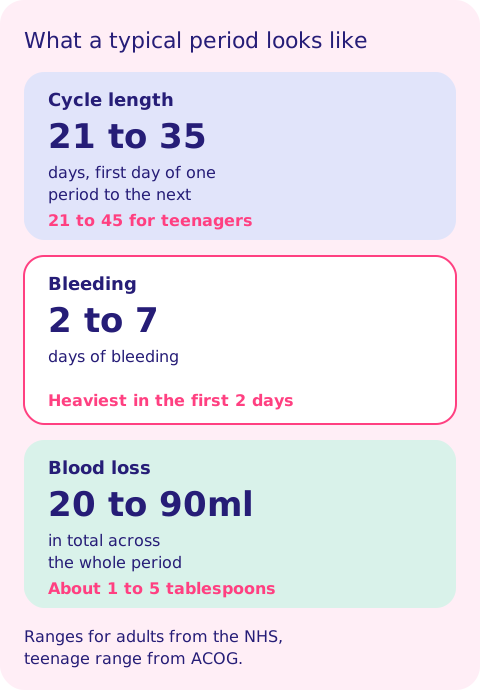
The typical ranges for adults, from the NHS, with the wider teenage range from ACOG.
Teenagers have a wider range. The American College of Obstetricians and Gynecologists (ACOG) notes that cycles in the first years after a first period typically run 21 to 45 days, and it recommends treating the menstrual cycle as a vital sign, as worth checking as blood pressure. Changes in your pattern can point to thyroid problems, PCOS, bleeding disorders, stress or not eating enough. We explain this idea in your cycle is a vital sign, and walk through the basics in plain language in our beginner's guide to understanding your cycle.
What happens in your body across the month?
Your cycle is a conversation between your brain and your ovaries. In the first half, oestrogen builds up the lining of your womb while an egg matures. Around the middle, a surge of luteinising hormone (LH) releases the egg. In the second half, called the luteal phase, progesterone takes over. If no pregnancy happens, both hormones fall and the lining sheds as your period.
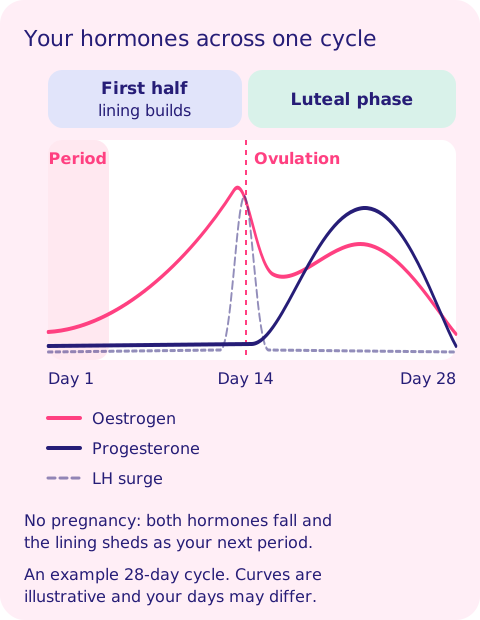
How the main hormones rise and fall across an example 28-day cycle. The curves are illustrative, and your own timing may differ.
Many women feel tired, foggy, hungrier or more irritable in the days before their period, and the NHS links these premenstrual symptoms to changing hormone levels. It is a common pattern with a physical cause, and it usually lifts once bleeding starts. We explain what is going on, and how to plan around it, in the luteal phase crash before your period.
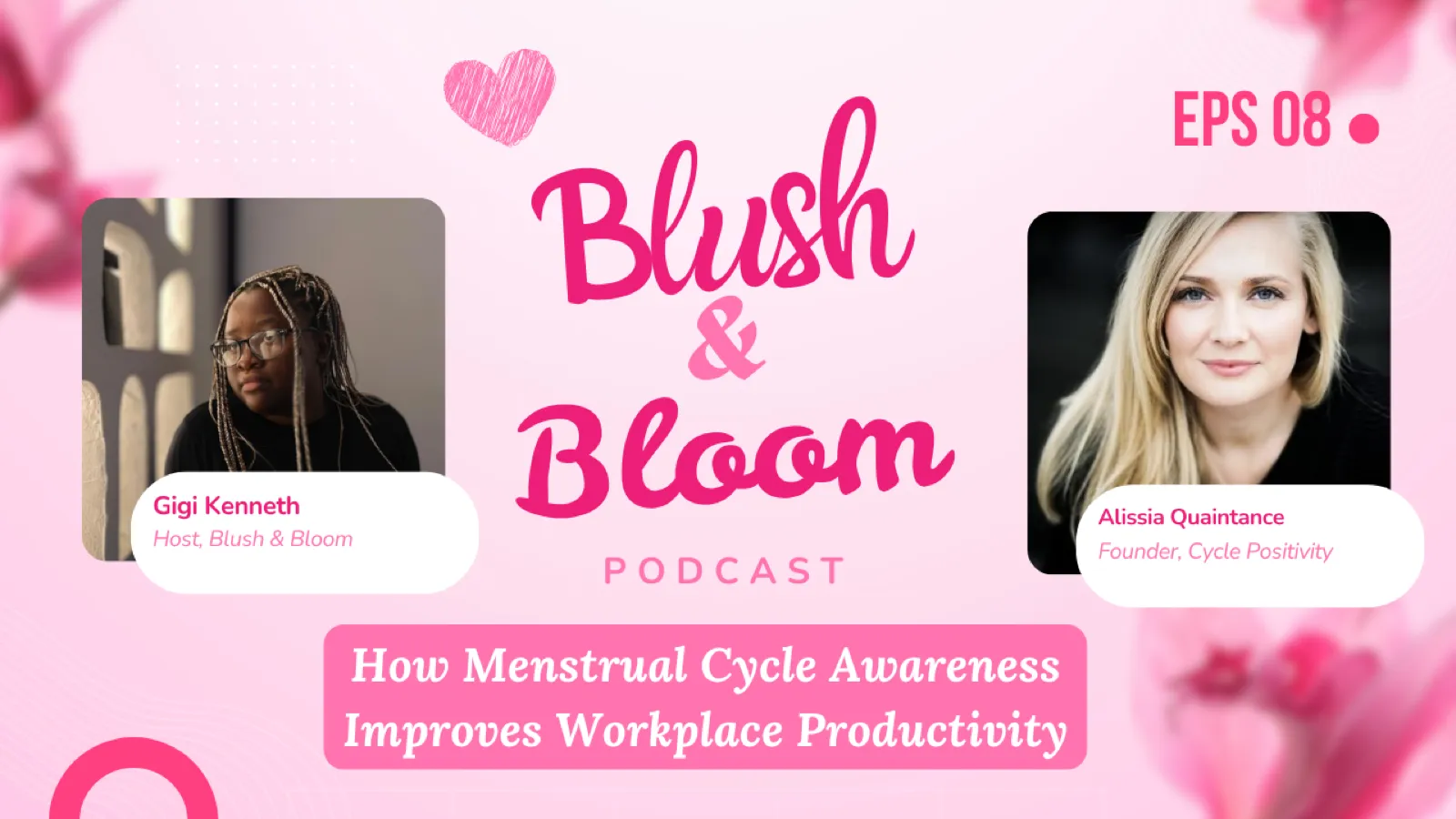
You may have heard of cycle syncing, the idea that you should train hard in one phase and rest in another. A systematic review and meta-analysis in Sports Medicine found menstrual phase has at most a trivial, inconsistent effect on exercise performance, so there is little evidence for strict phase-by-phase plans. Adjusting for how you feel on a given day, especially on heavy or crampy days, still makes sense. Read cycle syncing your workouts: what the evidence says and our earlier look at fitness and your menstrual cycle. On the podcast, Alissia Quaintance makes the case for cycle awareness at work.
How do you track your cycle?
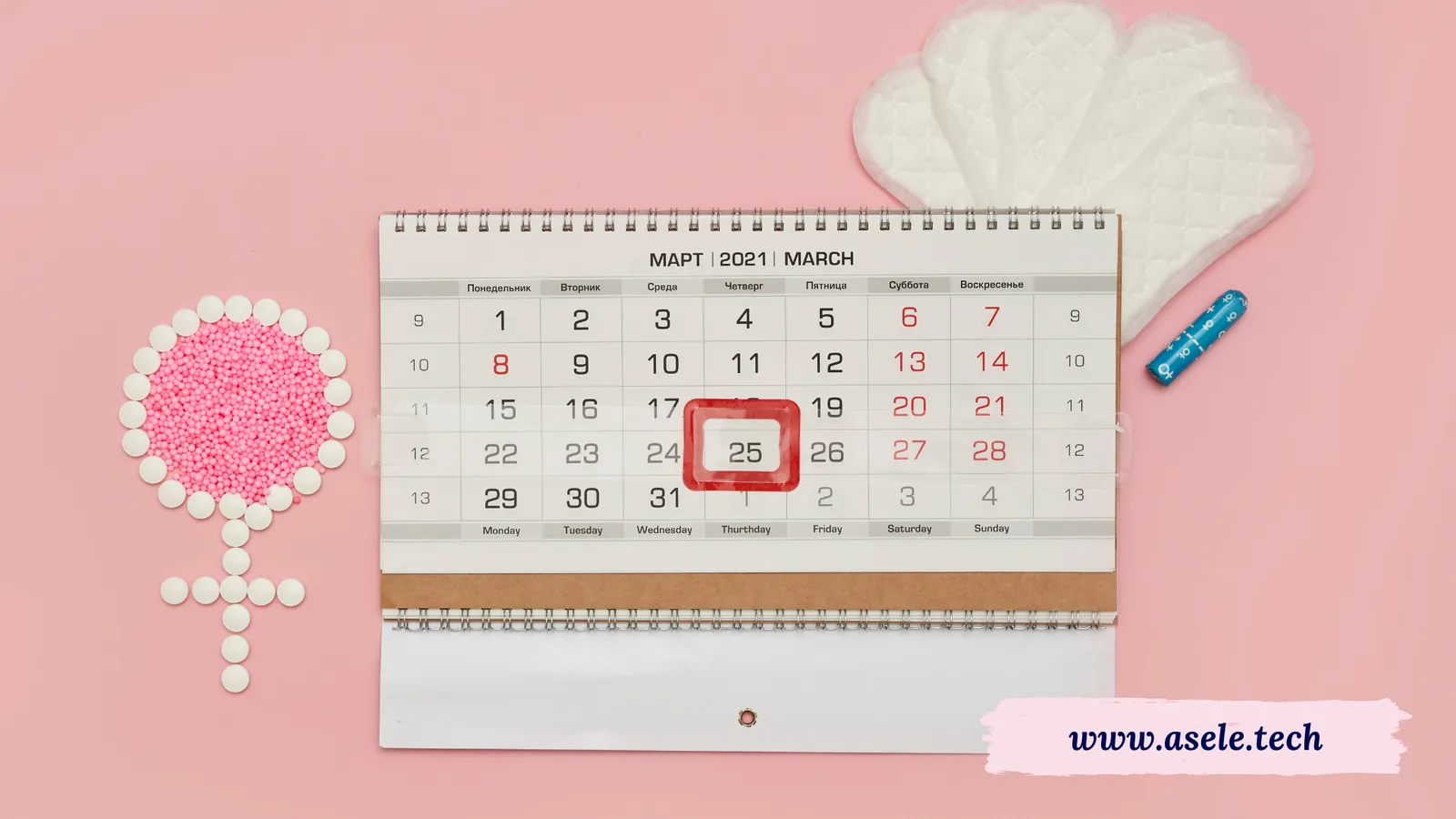
Start with one date: the first day of each period. Cycle length is counted from the first day of one period to the first day of the next, so that single entry is the most useful thing you can record. Then add a few details that build a clear picture over time. Here is the full list to log:
- The first day of each period, the one date that gives you your cycle length
- How many days you bleed
- How many pads or tampons you use on your heaviest day, and whether you pass clots
- How bad the pain is, on a simple 0 to 10 scale
- Spotting between periods, logged separately from your period
- Mood, energy, sleep and skin, and anything else that seems to follow your cycle
After three months you have a pattern. After six, you have something a clinician can act on in a short appointment. A notebook, a phone calendar or an app all work; our post on how to track your period with three easy methods compares them, and five simple tips for a healthier cycle covers the everyday basics like sleep, food and movement.
How heavy is too heavy?
Your periods may be heavy if you change your pad or tampon every 1 to 2 hours, need to use two products at once, bleed for more than 7 days, pass clots larger than about 2.5cm, or bleed through to your clothes or bedding. Those are the NHS signs of heavy periods. The UK's National Institute for Health and Care Excellence (NICE) puts it more simply: heavy menstrual bleeding is blood loss that interferes with your physical, emotional, social or material quality of life.
The NHS lists causes including fibroids, endometriosis, adenomyosis, PCOS and pelvic inflammatory disease, the changes after pregnancy or approaching menopause, some medicines such as anticoagulants, and bleeding disorders like von Willebrand disease, which NICE says should be considered if your periods have been heavy since your very first one and you or your family have a history that suggests a bleeding problem. Treatment works. NICE recommends a full blood count for everyone with heavy bleeding and suggests considering the hormonal coil (LNG-IUS) as a first treatment for many women. Tranexamic acid and anti-inflammatory painkillers are non-hormonal options, and the combined pill or progestogen tablets are hormonal ones. Our full guide to heavy periods: what's normal, what's not and what to do goes through the tests and treatments.
Heavy bleeding month after month can drain your iron. The World Health Organization estimates that about 30 percent of women aged 15 to 49 worldwide are anaemic. If you feel tired, breathless or foggy around your period, ask for a blood test that checks your haemoglobin and ferritin. In the meantime, the NHS lists liver, red meat and beans among good sources of iron, so beef, beans and moin moin all help (avoid liver if you are pregnant). See iron-rich foods for heavy periods, with West African options.
Is period pain normal?
Some cramping is common, but pain that stops your daily life is not something to push through. Period pain happens when the womb tightens to shed its lining. The NHS suggests paracetamol or ibuprofen, heat from a hot water bottle or warm bath, and gentle exercise such as walking, swimming or yoga. Food may play a supporting role too, which we cover in easing menstrual cramps through nutrition.
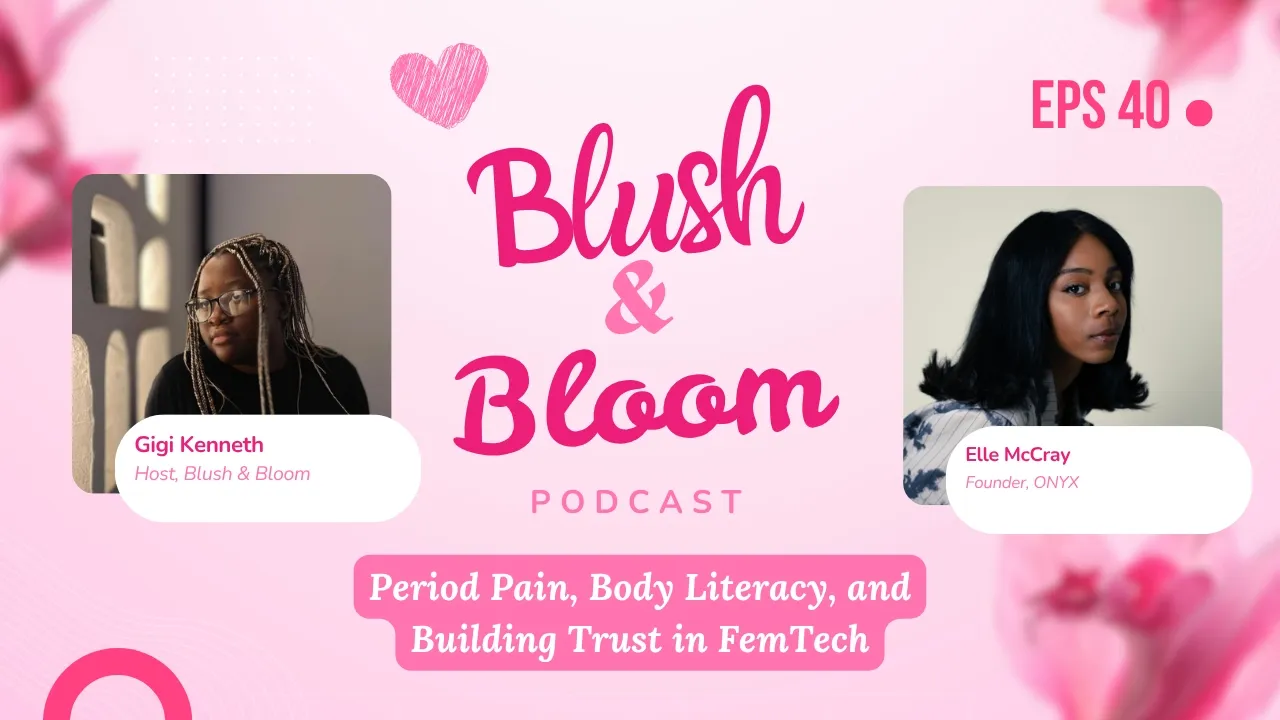
The NHS advises seeing a GP if period pain stops your usual activities, gets worse over time, or comes with pain during sex, bleeding between periods or pain when you pee or poo. Those signs can point to conditions like endometriosis, fibroids or pelvic inflammatory disease. We talk about learning to read your own pain on the podcast in period pain, body literacy and the information gap.
What is the difference between PMS and PMDD?
Premenstrual syndrome (PMS) is the cluster of physical and emotional symptoms, like bloating, tender breasts, headaches, low mood, irritability and tiredness, that appear in the weeks before your period and settle once bleeding begins. Most women get at least some of it. Premenstrual dysphoric disorder (PMDD) is a much more severe form, affecting a smaller number of women, where mood symptoms such as depression, anxiety, rage or hopelessness return every cycle and seriously disrupt work, relationships or daily life.
The key feature of both is timing: symptoms track the second half of your cycle and lift with your period. The NHS recommends keeping a symptom diary for at least two cycles before seeing a GP, which helps show that pattern. Exercise, regular meals, sleep and stress reduction can ease PMS. For more severe symptoms, a doctor may discuss hormonal contraception, cognitive behavioural therapy or antidepressants. If you have thoughts of harming yourself, seek urgent help straight away. We go deeper in how the menstrual cycle affects mental health, and talk it through in our podcast episode on PMS and PMDD.
Which period products are right for you?
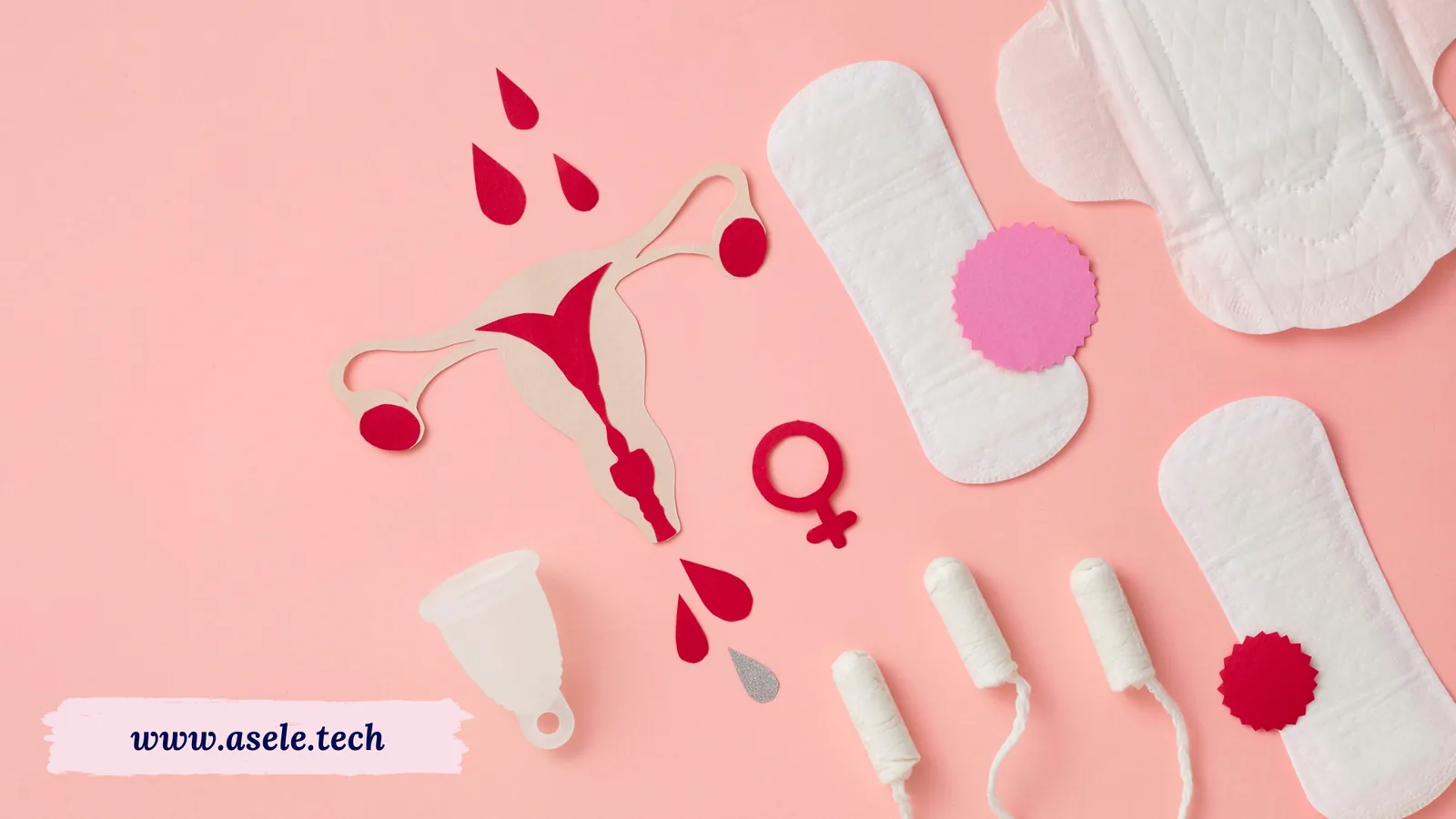
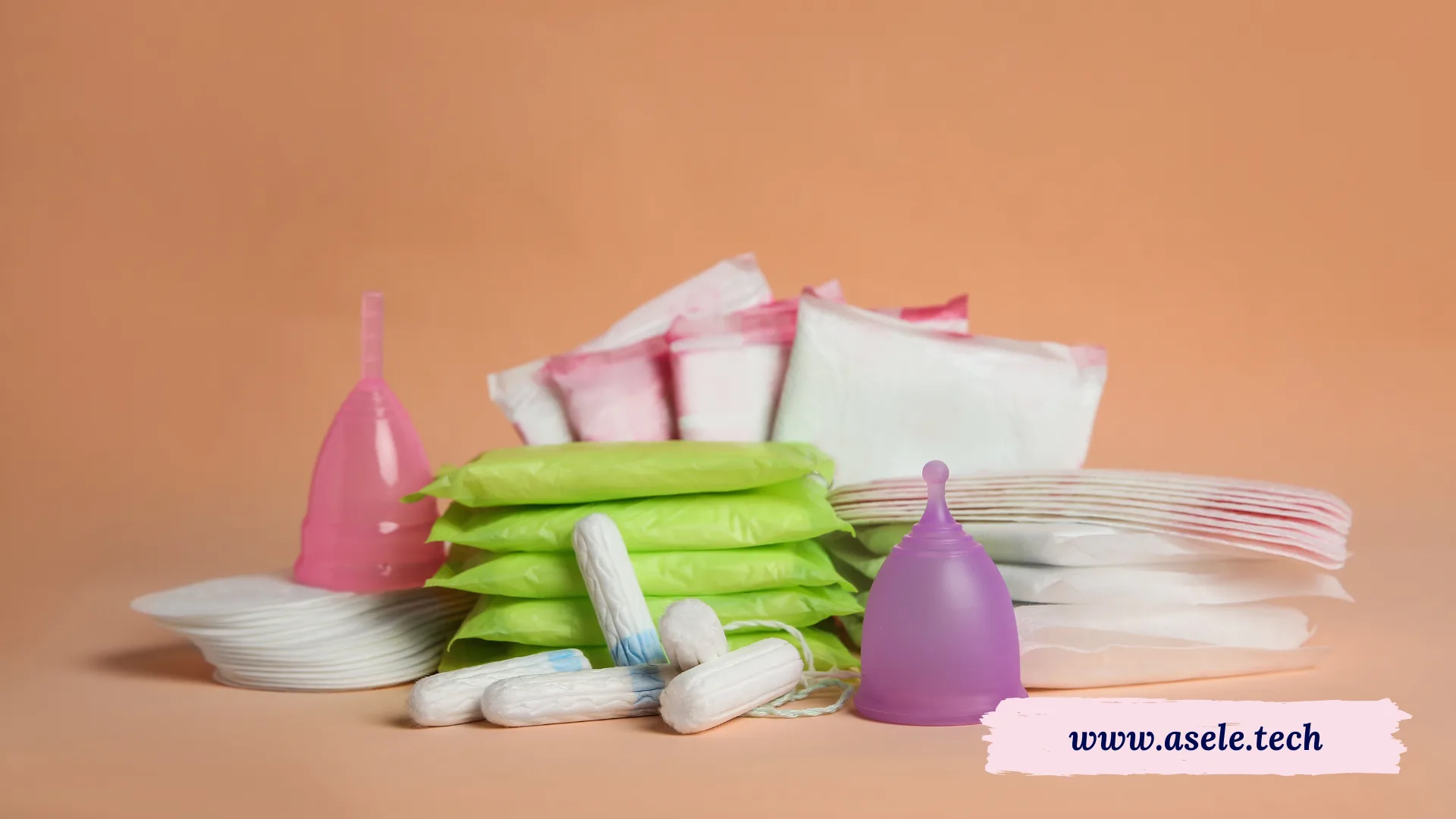
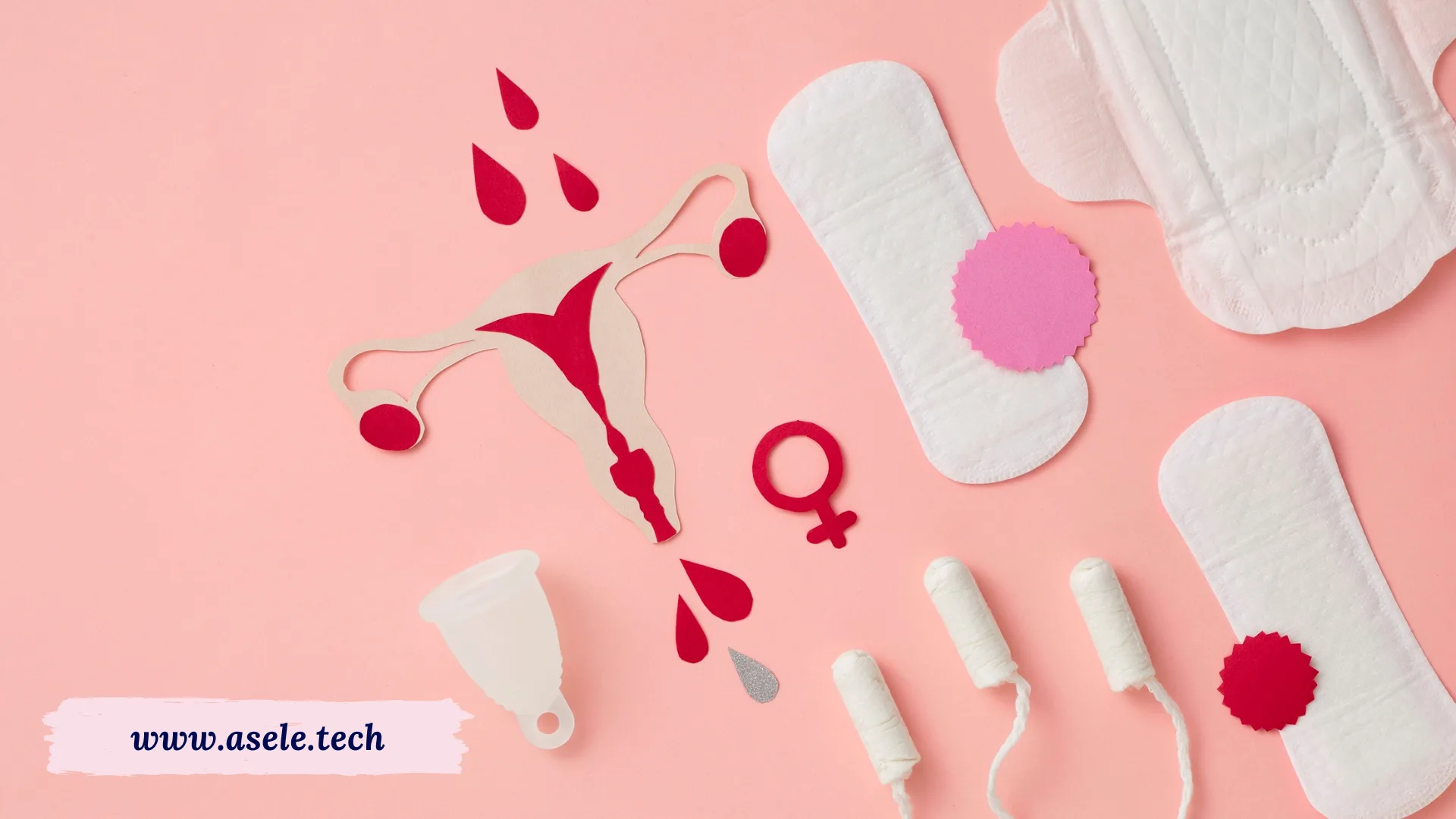
There is no single best product. The right one depends on your flow, your comfort, your budget, and what you can get and wash where you live. Disposable pads are easy and widely available. Reusable cloth pads cost more upfront but last years and suit places where buying pads every month is expensive. Tampons, menstrual cups and discs are internal options for swimming and sport, and period pants work well overnight or as backup.
| Product | Worn | Good for | Keep in mind |
|---|---|---|---|
| Disposable pads | In your underwear | Easy to use and widely available | A cost every month |
| Reusable cloth pads | In your underwear | Lasting years where buying pads is expensive | Cost more upfront and need washing and drying |
| Tampons | Inside the vagina | Swimming and sport | Never wear longer than the time on the pack |
| Menstrual cups and discs | Inside the vagina | Swimming and sport, and reuse | Need emptying and cleaning, and the same wear time rule |
| Period pants | As your underwear | Overnight, or as backup | Need washing between wears |
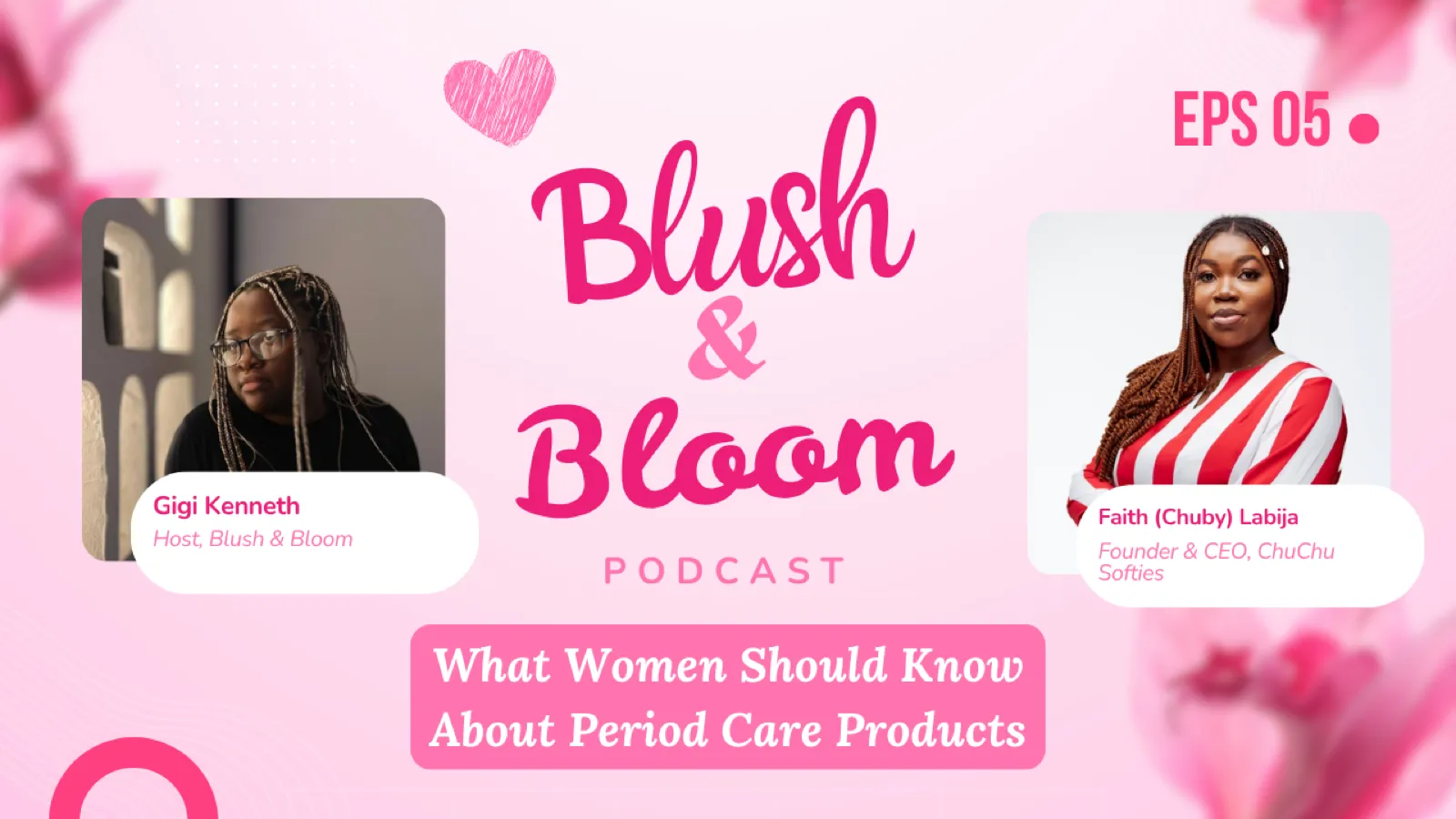
A few safety basics apply to all of them. Change pads regularly, and never leave a tampon, cup or disc in longer than the maximum time on its pack. Wash your vulva with water and plain soap, and skip douches, vaginal washes and perfumed products, which the NHS advises against because they can upset the vagina's balance and lead to infections like bacterial vaginosis. Toxic shock syndrome is rare, but a high temperature, a rash that feels like sandpaper, vomiting, or feeling dizzy or confused while using a tampon or cup needs urgent help: remove it and say you were using one. Compare everything in every period product option explained and period hygiene: pads, tampons, cups and staying fresh. Faith Labija shares how she built her pad brand in our episode on period care products.
Why are my periods irregular?
The NHS calls periods irregular when the gap between them is less than 21 days or more than 35 days, or when your usual pattern changes. Most irregular cycles have an ordinary cause. Stress, losing or gaining a lot of weight, exercising too much, hormonal contraception, breastfeeding, and the first years after a first period can all shift your cycle. So can perimenopause.
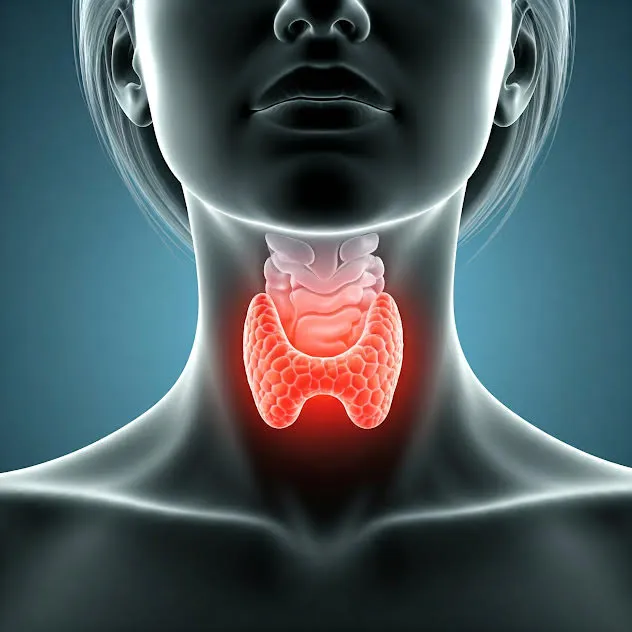
Some causes need a closer look. PCOS, now renamed polyendocrine metabolic ovarian syndrome (PMOS), is one of the most common, and usually shows up as long or unpredictable cycles alongside acne, unwanted hair growth or weight changes; our complete guide to PCOS covers it in depth. An underactive or overactive thyroid can make periods irregular or stop them altogether, which we explain in how your thyroid affects your period. Pregnancy is always the first thing to rule out when a period is late. Our two posts on the causes and treatment of irregular periods and irregular periods: when to see a doctor help you tell the difference.
What are endometriosis and fibroids?
These are two of the most common causes of heavy and painful periods, and both are often missed.
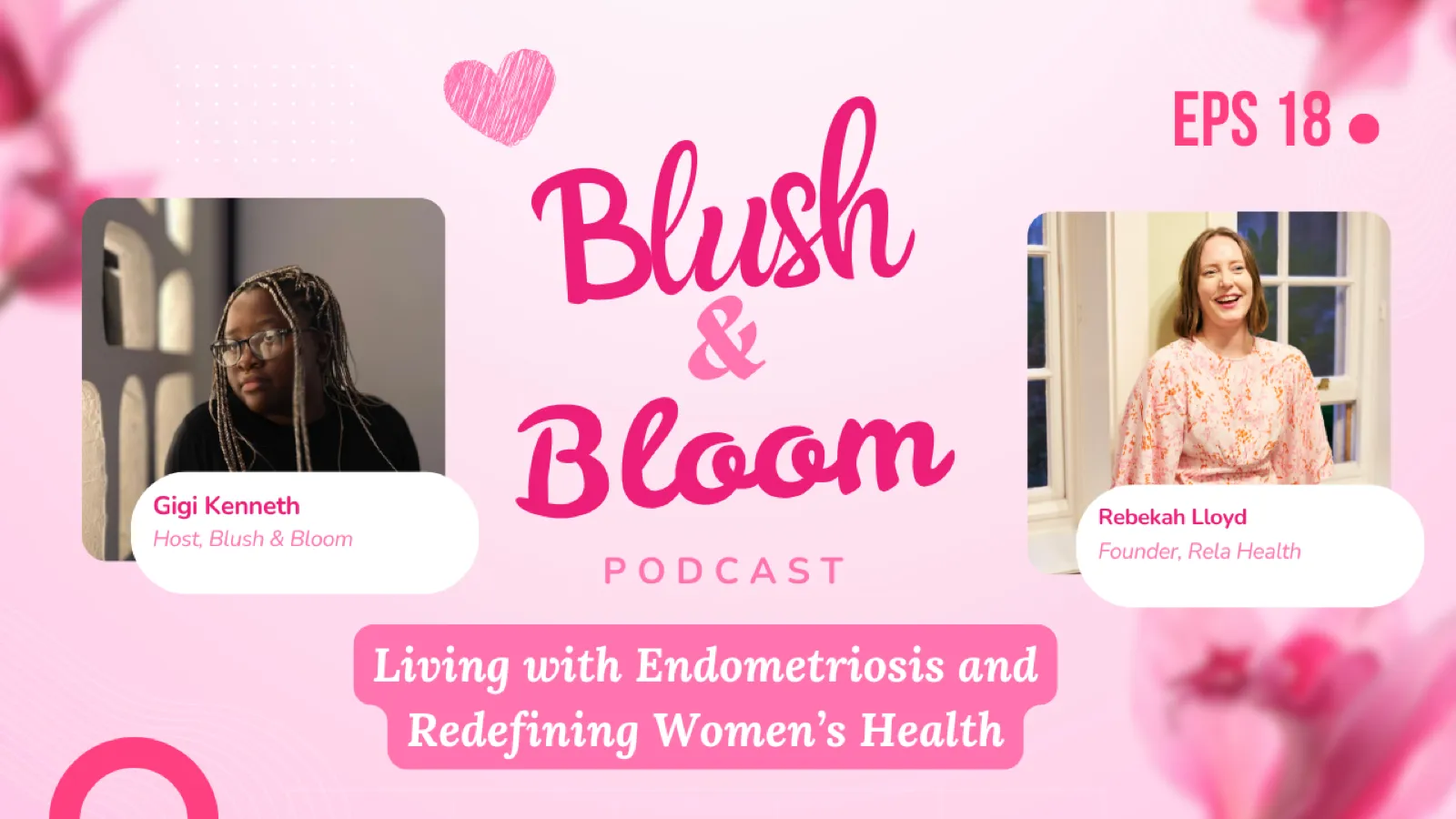
Endometriosis is when tissue similar to the womb lining grows outside the womb, on the ovaries, fallopian tubes, bowel or bladder. It causes inflammation, scarring and pain. The WHO estimates it affects around 10 percent of women of reproductive age, about 190 million worldwide, and that diagnosis takes 4 to 12 years on average. The signs NICE says should raise suspicion include period pain that affects daily life, chronic pelvic pain, deep pain during or after sex, painful bowel movements or peeing around your period, and difficulty getting pregnant alongside these. NICE is clear that a normal examination and scan do not rule it out. Treatment includes pain relief, hormonal options and surgery. Start with endometriosis explained, then read not just a bad period: the signs of endometriosis for how to describe your symptoms so they land. If you are unsure whether your symptoms fit endometriosis or PCOS, see endometriosis vs PCOS. Two podcast guests share their own experience: Rebekah Lloyd on living with endometriosis and Katherine Maree Pace on endometriosis and cycle syncing.
Fibroids are non-cancerous growths of muscle and fibrous tissue in or around the womb. They are very common, and the NHS notes they are more likely in women from a Black background or with a close relative who has them. The American College of Obstetricians and Gynecologists notes that in Black women they also seem to appear younger and grow more quickly, differences that may be driven by racism and inequities in society. Many cause no symptoms. Others bring heavy or painful periods, pelvic pressure, needing to pee often, back pain or difficulty conceiving. Options range from watching and waiting to medication, embolisation, myomectomy (removing fibroids while keeping the womb) and hysterectomy. Read uterine fibroids: what every woman needs to know.
How do periods change across your life?
The first period. The NHS says most girls start at about 12, but periods can start as early as 8, and ACOG notes the first period typically comes within 2 to 3 years after breasts begin to develop. Many girls are caught unprepared: a systematic review of studies on Nigerian schoolgirls found most were not adequately prepared for their first period. Start small conversations early, use clear words, and pack a starter kit for her school bag before she needs it. Our guides on what to tell your daughter before her first period and what to do when your daughter gets her first period cover both moments, and period education for girls looks at the wider fight against stigma.
The reproductive years. This is when tracking pays off most, when conditions like fibroids, endometriosis and PCOS tend to surface, and when contraception, pregnancy and breastfeeding all reshape your cycle for a while.
Perimenopause. One of the first signs of perimenopause is usually a change in your periods: they may come more or less often, and bleeding may get heavier or lighter. Menopause usually happens between 45 and 55, and you reach it once you have gone 12 months without a period. You can still get pregnant before then, so talk to a doctor about contraception, and remember HRT is not contraception. Bleeding that is getting heavier is worth raising with a doctor, and any bleeding after menopause, even a small amount, should always be checked. Read periods in perimenopause: heavier, irregular or gone?.
When should you see a doctor about your period?
See a doctor or nurse if your periods change from your usual pattern, or if any of these apply:
- your periods have not started by 15
- you have missed three periods in a row and are not pregnant
- your cycles are shorter than 21 days or longer than 35 (or 45 for teenagers)
- bleeding lasts more than 7 days, or you soak a pad or tampon every 1 to 2 hours
- you pass clots larger than about 2.5cm
- period pain stops your usual activities or keeps getting worse
- you bleed between periods or after sex
- you have pain during sex, or when peeing or opening your bowels around your period
- you feel constantly tired or breathless, which can signal low iron
- you have new hair growth on your face, acne or weight changes alongside irregular cycles
- you have any bleeding after menopause, however light
Get urgent help if you are bleeding so heavily you feel dizzy or faint, have sudden severe pain in your lower tummy, especially if you could be pregnant, have pain with a fever, or develop toxic shock symptoms while using a tampon.
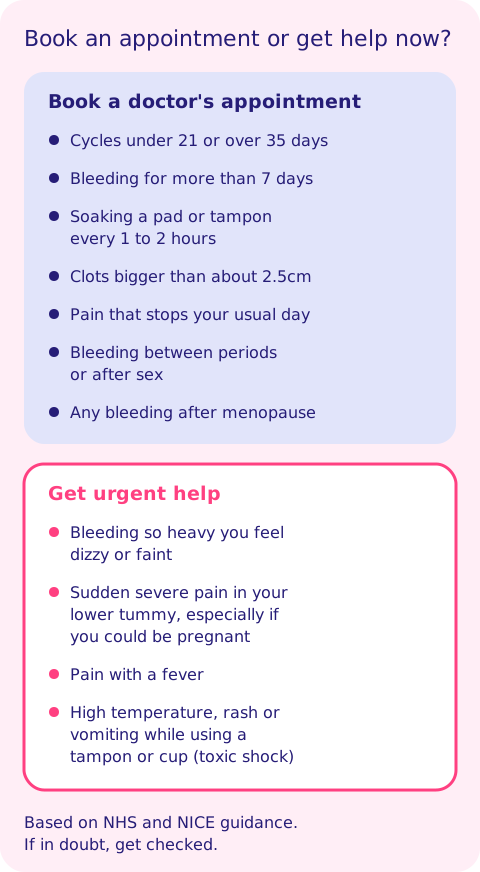
A quick way to tell a routine appointment from a same-day emergency.
What is different for African women and the diaspora?
The biology is the same everywhere, but the context is not. In many homes across the continent and the diaspora, periods are still surrounded by silence, myths and the expectation that pain is simply part of womanhood. That silence delays diagnosis. Women with endometriosis are often told it is "just a bad period", heavy bleeding from fibroids gets normalised, and appointments in busy clinics in Lagos, Nairobi or a London GP surgery are short. Our answers to the menstrual questions African women ask most tackle some of the most common myths, including whether bathing during your period is safe (it is).
Some conditions are more common in women of African descent. Fibroids are one. Sickle cell disease is another: a global burden study in The Lancet Haematology found births of babies with it are rising mainly in western and central sub-Saharan Africa, and in one multinational study nearly 40 percent of women with sickle cell disease reported pain crises linked to their periods. Our guide to sickle cell disease and women's health covers periods, contraception and pregnancy. Knowing your family history, and saying it out loud at appointments, can speed things up.
How can Asele help?
The hardest part of being taken seriously is remembering the details across months. Asele offers cycle tracking and symptom logging, so you can record your periods, flow, pain, mood and the symptoms that matter to you as they happen. Amara, the in-app assistant, can talk through what you are noticing in Yoruba, Hausa, Igbo, Swahili, French or English. Before an appointment, the Asele Health Brief turns your history into a short summary you can take to your doctor. Asele does not diagnose, but it helps you walk in with a record instead of a guess. You can find us at Asele.
Frequently asked questions
How long should a period last?
For most adults, a period lasts 2 to 7 days, often around 5, with the heaviest flow in the first two days. Bleeding that regularly lasts longer than 7 days counts as heavy and is worth raising with a doctor.
Is it normal for my cycle length to change each month?
Yes, within limits. A cycle anywhere from 21 to 35 days is normal for adults, and a few days of variation from month to month is expected. A sudden change in a pattern that was steady for years, or cycles that move outside that range, are worth checking.
Can stress delay my period?
Yes. The NHS lists stress, sudden weight changes and exercising too much among the common causes of a late or missed period. If you have missed three periods in a row and you are not pregnant, see a doctor.
Is it safe to bathe or exercise during my period?
Yes. Bathing during your period is safe and good for hygiene, and it does not stop or worsen your flow. Gentle exercise can even ease cramps, though it is fine to rest on heavy or painful days.
How do I know if my period pain could be endometriosis?
Pain that keeps you from work or school, does not ease with ordinary painkillers, or comes with deep pain during sex or painful bowel movements or peeing around your period can be signs of endometriosis. Keep a pain diary and ask your doctor about it directly, since a normal scan does not rule it out.
This guide is education, not medical advice. If something about your cycle worries you, speak to a doctor, nurse or pharmacist who can examine you.
References
- NHS. Periods. nhs.uk
- American College of Obstetricians and Gynecologists. Committee Opinion No. 651: Menstruation in Girls and Adolescents: Using the Menstrual Cycle as a Vital Sign. Reaffirmed 2025. acog.org
- NHS. Heavy periods. nhs.uk
- National Institute for Health and Care Excellence. Heavy menstrual bleeding: assessment and management (NG88), Recommendations. nice.org.uk
- World Health Organization. Anaemia fact sheet. who.int
- NHS. Period pain. nhs.uk
- NHS. PMS (premenstrual syndrome). nhs.uk
- NHS. Irregular periods. nhs.uk
- World Health Organization. Endometriosis fact sheet. who.int
- NHS. Fibroids. nhs.uk
- NHS. Starting your periods. nhs.uk
- McNulty KL, et al. The effects of menstrual cycle phase on exercise performance in eumenorrheic women: a systematic review and meta-analysis. Sports Med, 2020. pubmed.ncbi.nlm.nih.gov
- National Institute for Health and Care Excellence. Endometriosis: diagnosis and management (NG73), Recommendations. nice.org.uk
- NHS. Iron. nhs.uk
- NHS. Bacterial vaginosis. nhs.uk
- NHS. Toxic shock syndrome. nhs.uk
- NHS. Stopped or missed periods. nhs.uk
- NHS. Polyendocrine metabolic ovarian syndrome (PMOS). nhs.uk
- American College of Obstetricians and Gynecologists. Uterine fibroids FAQ. acog.org
- Uzoechi CA, et al. Menstruation among in-school adolescent girls and its literacy and practices in Nigeria: a systematic review. Medicina (Kaunas), 2023. pubmed.ncbi.nlm.nih.gov
- NHS. Menopause and perimenopause symptoms. nhs.uk
- NHS. Postmenopausal bleeding. nhs.uk
- GBD 2021 Sickle Cell Disease Collaborators. Global, regional, and national prevalence and mortality burden of sickle cell disease, 2000 to 2021. Lancet Haematol, 2023. pubmed.ncbi.nlm.nih.gov
- Segbefia C, et al. Pain frequency and health care utilization patterns in women with sickle cell disease experiencing menstruation-associated pain crises. J Womens Health, 2023. pubmed.ncbi.nlm.nih.gov