Tracking Irregular Periods When You Have PCOS
When your cycle has no fixed rhythm, tracking works a little differently. Here is what to log with PCOS, why long gaps between periods matter, and why app predictions are only a rough guide.
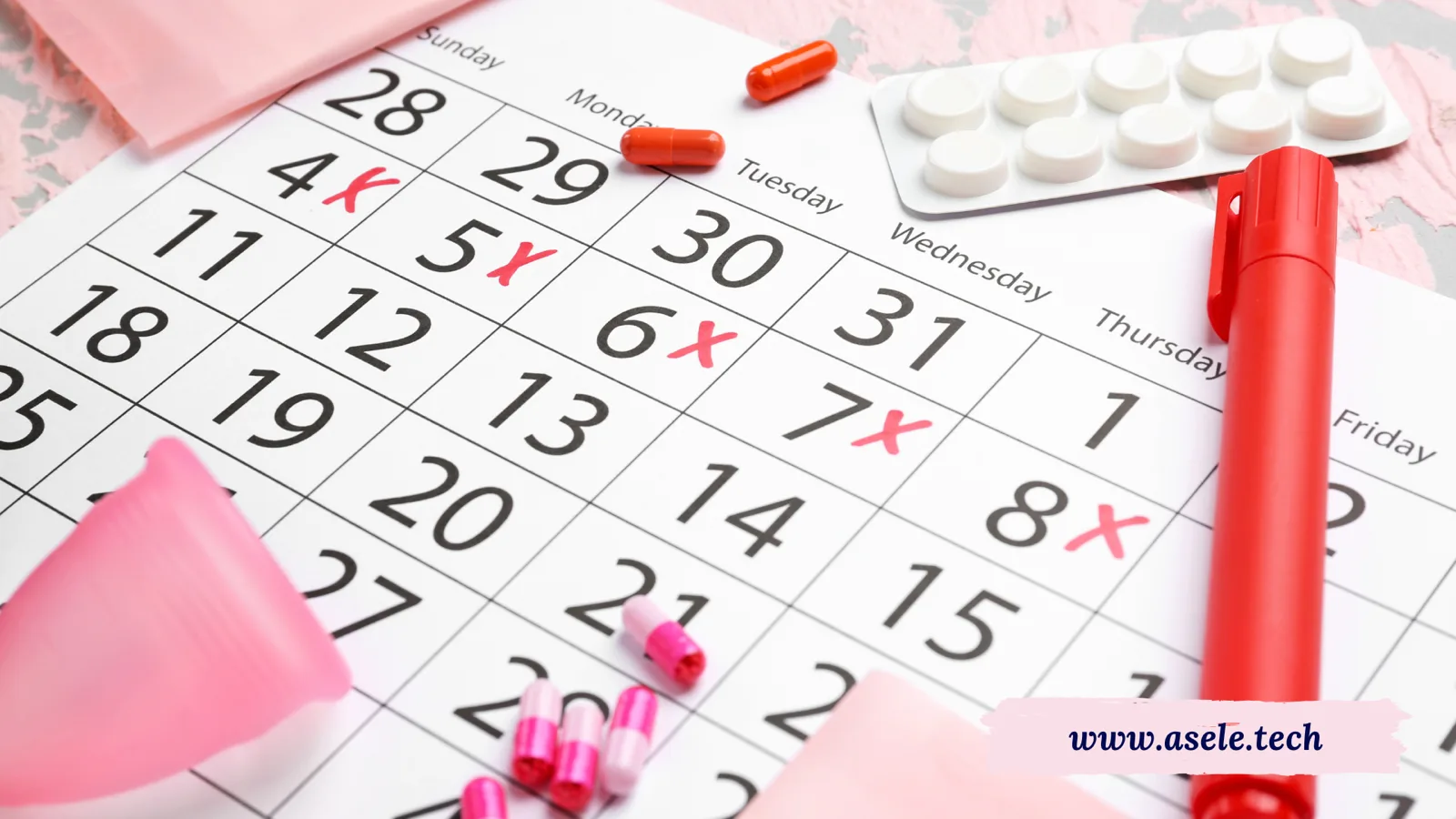
TL;DR: With PCOS, log the first day of every bleed, how heavy it is, any spotting, and symptoms like acne, hair changes, and mood. Long gaps matter: NHS guidance aims for at least four periods a year to protect the womb lining, so tell a clinician if you go more than three months without bleeding. App predictions are less reliable when cycles vary, so treat them as a rough guide and let your own record do the work.
If you have PCOS, you probably know the feeling of opening a period app and seeing "Period due in 3 days" for the fourth week running. Or getting a surprise bleed in the middle of a busy week in Lagos traffic with nothing in your bag. Irregular cycles are one of the most common signs of PCOS, and they make the usual advice about tracking feel like it was written for somebody else.
It was not, but it does need adjusting. This post is a practical guide to tracking when your cycle has no fixed rhythm: what to write down, which patterns matter for your health, and how to turn the record into something useful at your next appointment.
If you are still working out whether you have PCOS at all, our post on why PCOS diagnosis takes years covers the signs to track before diagnosis. This one is for after, or for anyone living with irregular cycles day to day. If you are newly diagnosed, PCOS: just diagnosed, what next? is a good companion.
What counts as an irregular cycle with PCOS?
The 2023 international PCOS guideline defines irregular cycles, from three years after your first period up to perimenopause, as cycles shorter than 21 days, longer than 35 days, or fewer than eight cycles a year. Many people with PCOS have long cycles of 40, 60, or 90 days, while others bleed often but unpredictably. Both patterns are worth tracking, because what helps you depends on which one you have.
What to log, and how
The goal is not to log everything. It is to log the few things that build a clear picture over months.
The first day of every bleed. This is the anchor. Cycle length is counted from the first day of one period to the first day of the next, so this one date per cycle is the most valuable entry you will make. If you are unsure whether something counts as a period, log it anyway and add a note.
How heavy the bleeding is, and for how long. After a long gap, some periods arrive heavier or last longer. Note roughly how often you change pads or tampons, whether you pass clots, and how many days it lasts. Heavy bleeding over time can drain your iron, which we cover in iron-rich foods for heavy periods.
Spotting between periods. Light brown or pink spotting is easy to forget. Log it separately from your period so it does not muddle your cycle lengths, and so a clinician can see how often it happens.
Skin and hair. Acne flares, new hair on your chin, chest, or tummy, or thinning hair on your head are linked to the higher androgen levels that are part of PCOS for many people. The NHS lists these alongside irregular periods as common symptoms. A quick note when things change is enough. For more on the skin side, see hormonal acne and skin changes.
Mood and energy. The NHS also lists depression, anxiety, and tiredness among PCOS symptoms. Logging how you feel, even with a single word, can show whether low moods cluster around bleeds or follow no pattern at all, and both are useful to know.
Treatment changes. If you start or stop the pill, metformin, a progestogen, or a new diet or exercise routine, note the date. Otherwise it is hard to tell months later what changed your cycle.
You do not need to do this perfectly. A few gaps in your record are far better than giving up because you missed a week.
Why do long gaps between periods matter?
Because the lining of your womb needs to shed regularly. In a typical cycle, ovulation leads to a rise in progesterone and then a period. With PCOS you may not ovulate often, so the lining can keep building without shedding. Over time this can raise the risk of the lining thickening abnormally, known as endometrial hyperplasia, and the NHS notes that PCOS can increase the risk of womb cancer.
NHS clinical guidance, such as the North East London PCOS pathway, advises aiming for a minimum of four periods a year to protect the womb lining. If you are having fewer than that, a doctor may suggest a progestogen tablet to bring on a bleed every few months, the combined pill, or a hormonal coil, depending on your situation and whether you are trying to conceive.
This is exactly where tracking earns its place. Without a record, three months can slip into five before you notice. With one, you can see the gap growing and act on it. If you go more than three months without a period and you are not pregnant, book an appointment.
Why app predictions are less reliable with irregular cycles
Most period apps predict your next period by averaging your past cycle lengths. That works reasonably well when your cycles fall within a few days of each other. When one cycle is 32 days and the next is 68, the average lands somewhere in between and matches neither.
So treat predictions as a rough guide, not a promise. A few tips:
- Keep period products in your bag all the time rather than relying on a predicted date.
- Look at your range of cycle lengths over six months, not the single predicted day.
- Do not rely on an app's fertile window for contraception or for timing conception when your cycles are irregular. If you are trying to get pregnant, speak to a clinician, and see PCOS and fertility.
The value of tracking with PCOS is less about predicting next month and more about understanding the last six.
When to see a clinician sooner
Track, but do not wait on a pattern if something feels wrong. See a doctor promptly if you have:
- No period for more than three months and a negative pregnancy test
- Very heavy bleeding, soaking through pads quickly or passing large clots
- Bleeding after sex or between periods that keeps happening
- Signs of anaemia, such as breathlessness, dizziness, or a racing heart
- Rapid new hair growth, a deepening voice, or other sudden changes
Our post on irregular periods and when to see a doctor goes through more of these signals.
Bringing your record to an appointment
Appointments are short, whether you are at a clinic in Nairobi, a teaching hospital in Accra, or a GP surgery in Birmingham. A clear record helps a clinician decide quickly whether your womb lining needs protecting, whether a treatment is working, and what to try next.
Try to bring:
- Your cycle lengths over the last six to twelve months, including the longest gap
- How heavy your periods have been, and any spotting
- Skin, hair, and mood changes, with rough dates
- Medicines or changes you have tried, and when
"I had four periods in the last year, the longest gap was 112 days, and the bleed after that lasted nine days" gives a doctor something specific to work with.
Asele can help you keep that record. Its cycle tracking and symptom logging let you note bleeds, spotting, skin changes, and mood as they happen. Before an appointment, the Asele Health Brief pulls your history into a summary you can take to your doctor. And Amara, the in-app assistant, can talk through your questions in Yoruba, Hausa, Igbo, Swahili, French, or English. You can find us at Asele.
This post is education, not medical advice. PCOS, now also called PMOS, looks different for everyone, and a clinician who knows your history is the right person to guide treatment. Your record just makes that conversation easier.
References
- Teede HJ, et al. Recommendations From the 2023 International Evidence-based Guideline for the Assessment and Management of Polycystic Ovary Syndrome. J Clin Endocrinol Metab. 2023. pubmed.ncbi.nlm.nih.gov
- NHS. Polycystic ovary syndrome. nhs.uk
- NHS North East London. Polycystic Ovary Syndrome primary care pathway, 2024. primarycare.northeastlondon.icb.nhs.uk
← Back to The Journal