Why You Crash the Week Before Your Period
The week before your period can feel like your energy quietly drains away. Here is what happens hormonally, why it feels like a crash, and how to plan work around it.

TL;DR: The roughly ten to fourteen days before your period are the luteal phase, when progesterone and oestrogen fall and energy, mood, sleep, and focus often dip. It is a normal pattern, not a personal failing, and planning demanding work for earlier in your cycle helps. Severe mood symptoms are worth raising with a clinician.
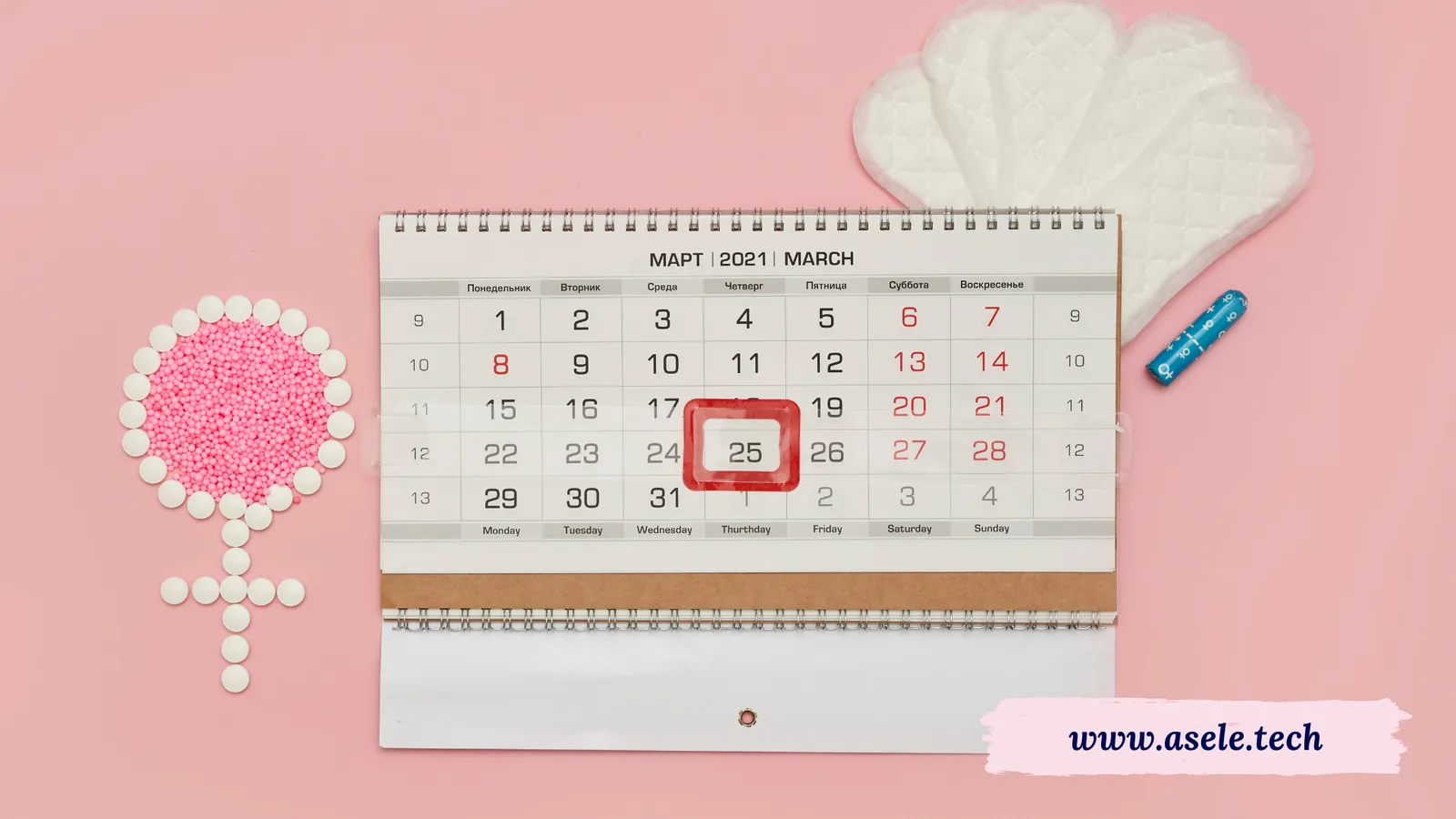
You know the feeling. One week you are moving through your to-do list, saying yes to the extra meeting, staying up a little later. The next week the same tasks feel like wading through wet sand. You are more tired, shorter with people you love, hungrier, and your focus keeps slipping. Then your period arrives and something clicks into place. That dip is not you failing. It is your luteal phase, the roughly ten to fourteen days between ovulation and your next bleed, and once you can see the shape of it, you can stop being caught off guard by it. If the wider rhythm of your cycle is still new to you, our guide to understanding your cycle is a good place to start.
What actually happens in the luteal phase
After you ovulate, the follicle that released the egg turns into a small structure called the corpus luteum, and it starts producing progesterone. Progesterone climbs through the first part of the luteal phase, which is why many women feel calmer and sleepier in the days just after ovulation. The trouble comes later. If no pregnancy occurs, the corpus luteum breaks down and progesterone falls sharply in the last few days before your period, with oestrogen dropping alongside it. Your body goes from a steady hormonal state to a fast decline in under a week. That drop is the engine behind most of what you feel.
Why the week before feels like a crash
Progesterone and oestrogen do not only manage your reproductive system. They interact with serotonin, which affects mood, and with GABA, which is part of how your brain settles and sleeps. When both hormones fall quickly, that supporting scaffolding falls with them. Sleep can get lighter or more broken even when you are exhausted. Mood becomes more reactive, so a small annoyance lands harder than it would at another point in your cycle. Concentration takes more effort. Appetite often rises, particularly for carbohydrates and sweet things, which is a real physiological pull and not a lapse in willpower. None of this is imagined. It is a normal phase with a real biological cause, and it usually eases within a day or two of your period starting. We look at this mood and energy shift in more depth in how the menstrual cycle affects mental health.
Where PMS fits, and where PMDD is different
Premenstrual syndrome is the name for this cluster of physical and emotional symptoms that show up in the luteal phase and settle once bleeding begins. It is common. ACOG notes that most women of reproductive age experience at least some premenstrual symptoms, and for a meaningful share they are strong enough to disrupt daily life. The defining feature is timing. PMS tracks the luteal phase and lifts with your period.
Premenstrual dysphoric disorder, or PMDD, sits at the severe end. It involves marked mood symptoms, low mood, irritability, anxiety, or a sense of things feeling unmanageable, that seriously interfere with work, relationships, or daily functioning, and that reliably return with each luteal phase. Clinical reviews describe PMDD as a severe form of premenstrual symptoms dominated by mood changes that lift once bleeding begins. The line between a difficult PMS and PMDD is not something to sort out alone or from an article. If the week before your period regularly feels overwhelming rather than merely tiring, that is worth raising with a clinician, and our piece on anxiety, depression and women's mental health may help you find the words. For a fuller conversation on this, the Blush and Bloom episode on PMS and PMDD is worth a listen. This piece is education, not medical advice, and only a health professional can assess what is going on for you.
The productivity cost is real, and mostly invisible
Because this dip is predictable but rarely talked about, a lot of women absorb it silently, pushing through days when their capacity is genuinely lower. The cost adds up. A large study published in BMJ Open, which surveyed almost 33,000 women, found that they lost on average about 8.9 days a year to reduced productivity while still at work, what researchers call presenteeism, linked to menstrual symptoms, compared with only around 1.3 days a year lost to actual absence. In other words, most of the loss is not women staying home. It is women showing up and quietly running at half power, often blaming themselves for it.
Planning around the dip instead of fighting it
You cannot switch off the luteal phase, and you would not want to, it is your body working exactly as it should. What you can change is how much of it catches you by surprise. Once you know roughly when your energy tends to fall, you can shape your commitments around it. The demanding pitch, the difficult conversation, the deep focus work, put those in the earlier part of your cycle when they cost you less. Leave the lighter, more routine tasks for the days you know will be harder. Protect your sleep more deliberately in that final week, eat in a way that steadies your energy rather than restricting it, and let yourself say no to the optional extra. Our sleep tips for women's hormones can help with that final stretch. This is not lowering your standards. It is matching your plans to your actual capacity, which is what any sensible person does with a pattern they can see coming.
Seeing your own pattern
Every woman's luteal phase has its own shape. Some feel it mostly as fatigue, others as mood, others as appetite or disrupted sleep, and the timing shifts too. The only way to know yours is to watch it over a few cycles. That is where cycle tracking and simple symptom logging earn their place, not as another chore, but as a way of turning a vague sense of dread into information you can actually use.
That is what Asele is built to help with. It maps your cycle alongside what you log about your energy, mood, and sleep, so the pattern becomes something you can see rather than something that keeps blindsiding you, and Amara can talk it through with you in your own language. None of this is a diagnosis, and it does not replace a clinician when something feels off. It just means that when the week before your period comes around, you meet it knowing what it is, and you have already planned for it.
References
- Schoep ME, Adang EMM, Maas JWM, et al. Productivity loss due to menstruation-related symptoms: a nationwide cross-sectional survey among 32 748 women. BMJ Open, 2019. https://bmjopen.bmj.com/content/9/6/e026186
- American College of Obstetricians and Gynecologists. Premenstrual Syndrome (PMS). https://www.acog.org/womens-health/faqs/premenstrual-syndrome
- Hofmeister S, Bodden S, et al. Management of Premenstrual Dysphoric Disorder: A Scoping Review. PMC, 2022. https://pmc.ncbi.nlm.nih.gov/articles/PMC9790166/
← Back to The Journal