Before Her First Period: What to Tell Your Daughter, and When
Many girls in African and diaspora homes meet their first period with no warning at all. Here is how parents, aunties and carers can spot the early signs of puberty, what to say at each age, and what to pack in a simple starter kit.
TL;DR: Periods can start as early as 8, and usually arrive about two years after breasts begin to develop. Start small, open conversations early, use clear words, and pack a simple starter kit for her school bag before she needs it. See a doctor if puberty starts before 8, or if periods have not started by 15.
Maybe you remember your own first period. For many women raised in Lagos, Accra, Nairobi or a council flat in south London, it came as a shock. Blood on your pants, a frightened walk to find your mother or an older cousin, a pad pressed into your hand and a quiet instruction not to tell anyone, and not to "play with boys" now. Nobody explained what was happening or why. If that was your story, you already know how lonely it feels. Today, on the International Day of the Girl Child, here is how to make sure the girl in your care has a different one.
How common is it for girls to start their period unprepared?
Very common. A 2023 systematic review of studies on Nigerian schoolgirls found that 64 percent of girls in one Southeast study and 77 percent in one Northwest study had received no education about menstruation before it began, and concluded that most girls were not adequately prepared for their first period. The same review found that mothers were the main source of information when girls did get it. That is the hopeful part: you are the person she is most likely to learn from, so what you say matters.
When should I start talking to my daughter about periods?
Earlier than feels comfortable, ideally by age 8, because that is the youngest age at which periods can start. The NHS notes that most girls start their periods at about 12, but they can start as early as 8, and advises talking to girls from an early age so they are ready. Puberty itself can begin anywhere between 8 and 14. Think of it as many small chats over years rather than one big sit-down talk.
The early signs that puberty has started
You do not need to guess. The body gives plenty of warning, usually over a couple of years.
Breast buds are often the first sign: a small, sometimes tender mound under the nipple, with the darker area around it getting a little larger. According to Chelsea and Westminster Hospital NHS Foundation Trust, this can start any time from 8 to 13, and the first period usually comes about two years later. Other signs include hair under the arms and around the pubic area, a growth spurt, oilier skin or spots, body odour, and white or clear vaginal discharge in her pants. Mood changes are part of it too.
That discharge often worries girls who think something is wrong. Tell her it is normal, it keeps the vagina healthy, and it is often a sign her period is on the way. If you notice these changes, that is your cue to step up the conversation.
What to say, and how, at each age
Around 6 to 8. Keep it simple and matter of fact. "As girls grow up, their bodies change. One day you will start bleeding a little from your vagina once a month. It is called a period. It does not mean you are hurt or sick, it is how a woman's body gets ready to be able to have a baby one day." Use the proper words. The NHS encourages clear language, like "vagina", rather than vague terms that leave a child confused about her own body.
Around 9 to 11. Add the practical detail. Show her a pad, open it, let her hold it. Explain that the first period is usually small, often a reddish brown stain rather than a gush. The NHS describes typical blood loss once periods settle as about 20 to 90ml, roughly 1 to 5 tablespoons, over the whole period. Explain that early periods are often irregular, because the body can take some months to find its rhythm, and that settled cycles tend to come every 23 to 35 days and last 2 to 7 days.
From 11 upwards. Talk about what periods mean for her body as a whole: that she can now become pregnant, how to look after herself, how to track her cycle, and which feelings are normal. Keep the door open for questions she might be embarrassed to ask.
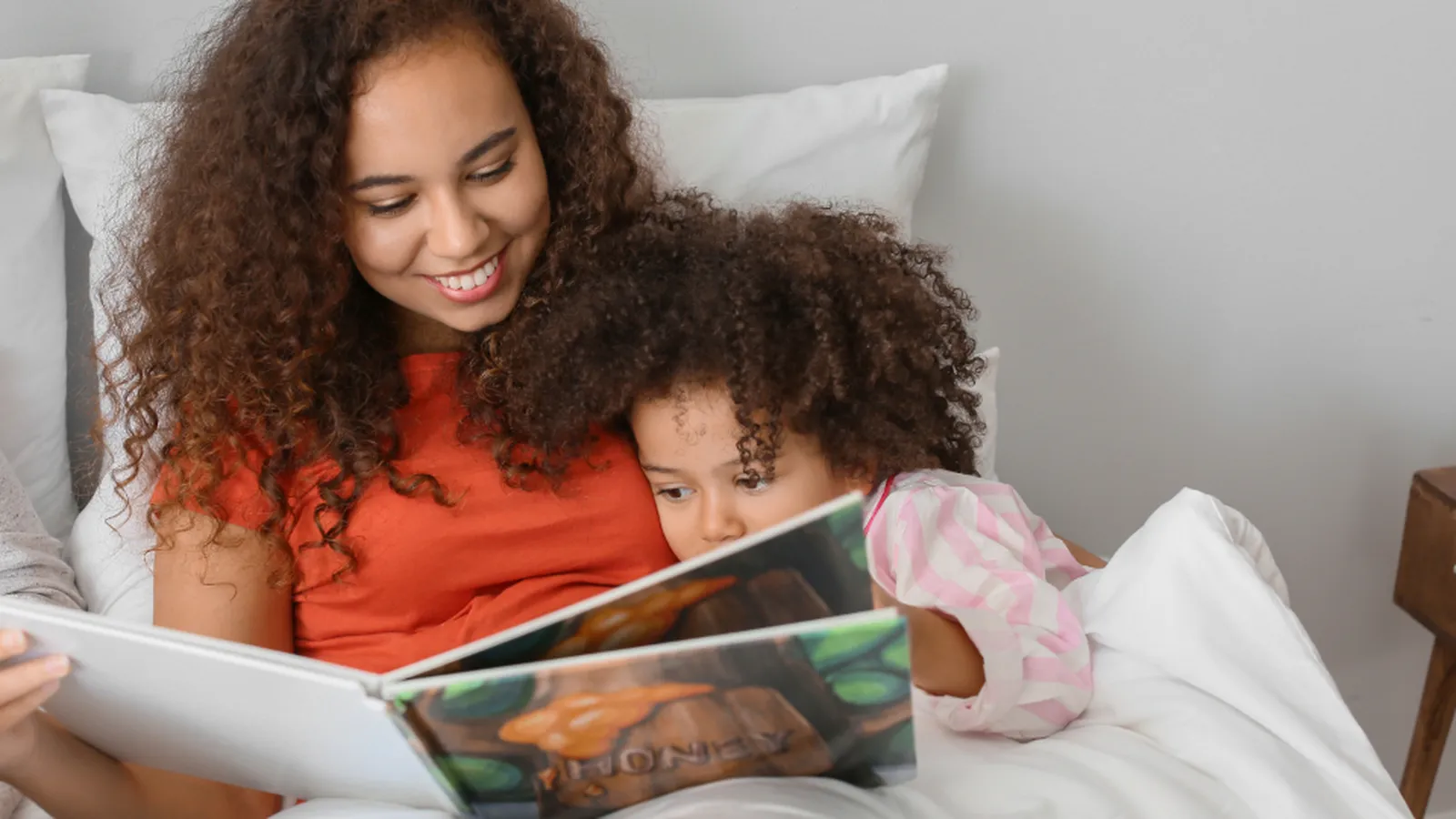
A few things help at every age. Use everyday moments to start, like a pad advert on TV or buying products at the market or supermarket. Ask what she already knows from school or friends, then fill gaps and correct myths. If you do not know an answer, say so, and look it up together. And if talking feels awkward for you, an auntie, older sister or trusted family friend can share the job. What matters is that someone does.
The starter kit: what to put in her school bag
Put together a small pouch she keeps in her bag from around 9 or 10, before she needs it, so the first period is a minor inconvenience instead of a crisis:
- Two or three pads, ideally thin ones with wings, which are easiest for beginners
- A spare pair of pants and, if she wears them, tights
- A small pack of wipes or tissue
- A sealable plastic or fabric bag for anything soiled
- A note with your phone number, if she does not carry a phone
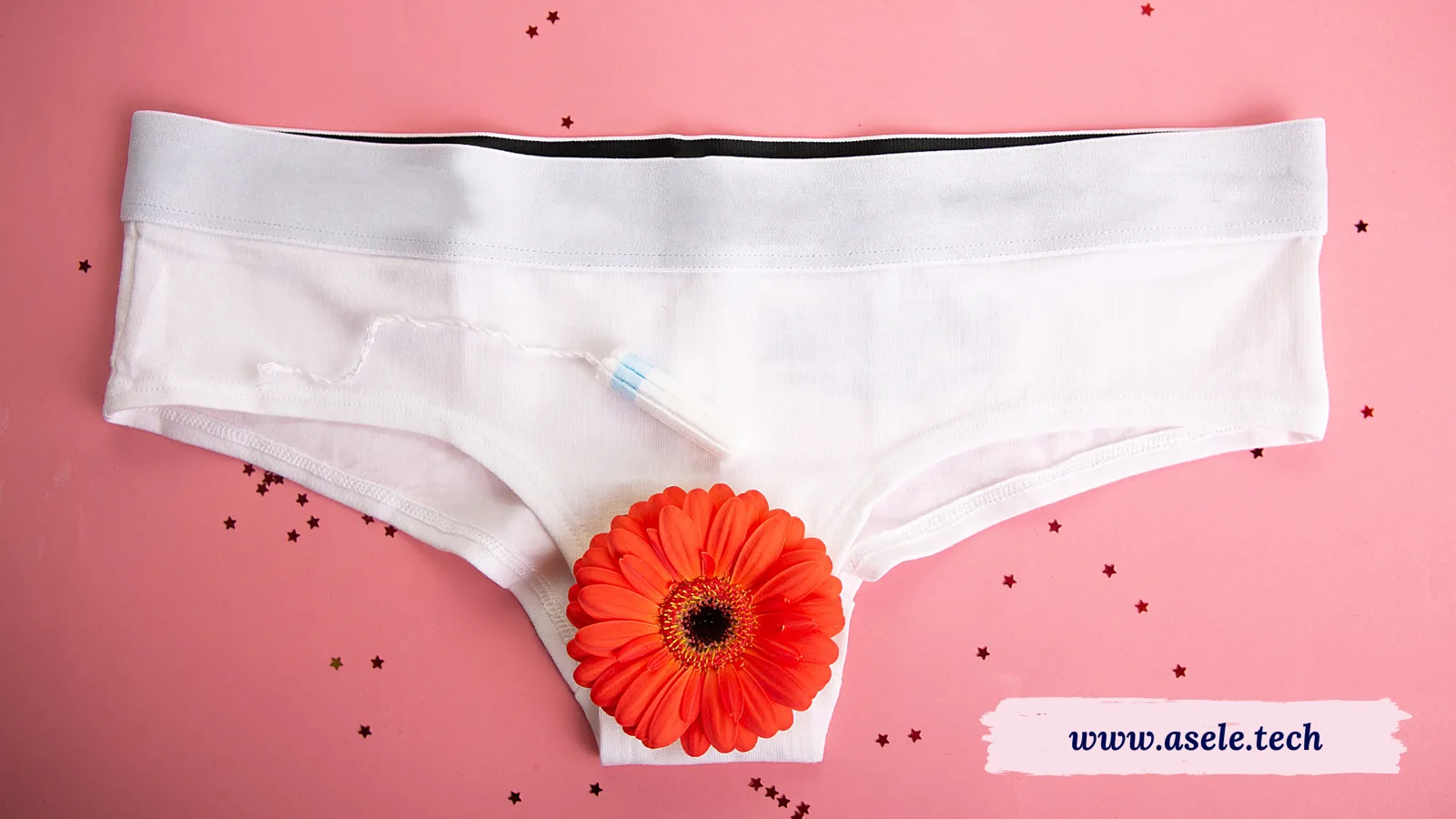
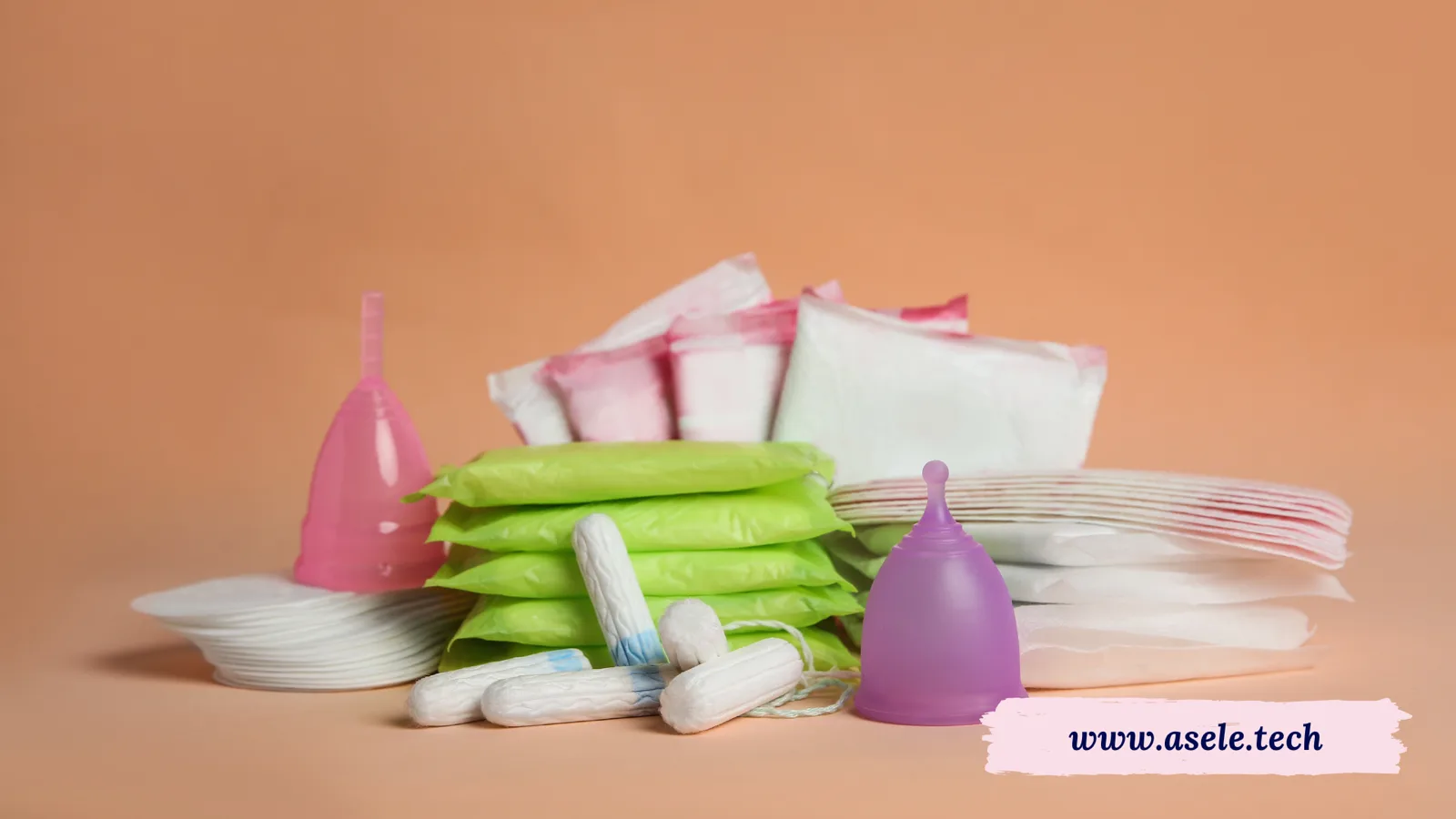
Show her how to use and wrap a pad, and tell her she can go to a teacher or the school nurse if she is caught out. The NHS suggests tying a jumper around the waist to cover a leak until she can change. Pads are a good choice for a very first period, though tampons, menstrual cups, reusable pads and period pants are all safe and suitable for young people once she feels ready. We compare them all in every period product option explained.
Breaking the silence, and the myths
In many of our homes, periods are discussed in whispers, if at all. Some girls grow up hearing that menstruating women should not cook for others, enter certain spaces, or bathe during their period, or that starting your period means you are "now a woman" who must be watched around boys. Much of this comes from love and a wish to protect, but silence and shame can leave a girl unable to ask for help when something is wrong.
You can respect your family and faith while still giving her the facts. Bathing during a period is safe and good for hygiene. A period is not dirty, and it is not a punishment or a sign of bad behaviour. Pain that stops her from going to school is not something she must simply endure. We unpack more of these beliefs in period education and stigma and in the menstrual questions African women ask most.
Do not forget the boys in the house. The NHS recommends that boys learn about periods too, the practical side and the biology, so brothers and future partners grow up kind rather than mocking.
When to see a doctor
Puberty timing varies a lot, and most differences are nothing to worry about. Still, speak to a doctor if:
- Breast development or other signs of puberty begin before age 8
- Her periods start before age 8
- Her periods have not started by 15, or by 13 if she has no other signs of puberty (NHS)
- Once periods begin, she needs to change a pad every 1 to 2 hours, bleeds for more than 7 days, or passes clots larger than about 2.5cm, which the NHS lists as signs of heavy periods
- Period pain keeps her off school or does not ease with simple painkillers
You can read more about heavy periods and what helps. This post is education, not medical advice, and a clinician who can examine her is always the right person for specific concerns.
When the day comes
When her first period arrives, your calm reaction will shape how she feels about her body for years. We wrote a companion guide for exactly that moment: your daughter just got her first period, a parent's guide to what happens next. For a look at what is being built for adolescent girls, listen to Blush and Bloom episode 33.
Once periods begin, tracking them helps you both spot patterns early, especially in those first irregular years. Asele offers cycle tracking and symptom logging, and Amara, our in-app assistant, can answer questions in Yoruba, Hausa, Igbo, Swahili, French or English, which can make it easier for a girl to ask what she might feel shy to say aloud. If a doctor's visit is ever needed, the Asele Health Brief gives you a simple summary to bring along. You can find us at Asele. The best gift you can give her is simple: the truth, early, from someone who loves her.
References
- NHS. Starting your periods. nhs.uk
- NHS. Early or delayed puberty. nhs.uk
- NHS. Heavy periods. nhs.uk
- Chelsea and Westminster Hospital NHS Foundation Trust. Puberty, periods and sexual health in girls with additional needs. chelwest.nhs.uk
- Menstruation among in-school adolescent girls and its literacy and practices in Nigeria: a systematic review. Medicina, 2023. pmc.ncbi.nlm.nih.gov
← Back to The Journal