PCOS (PMOS): The Complete Guide
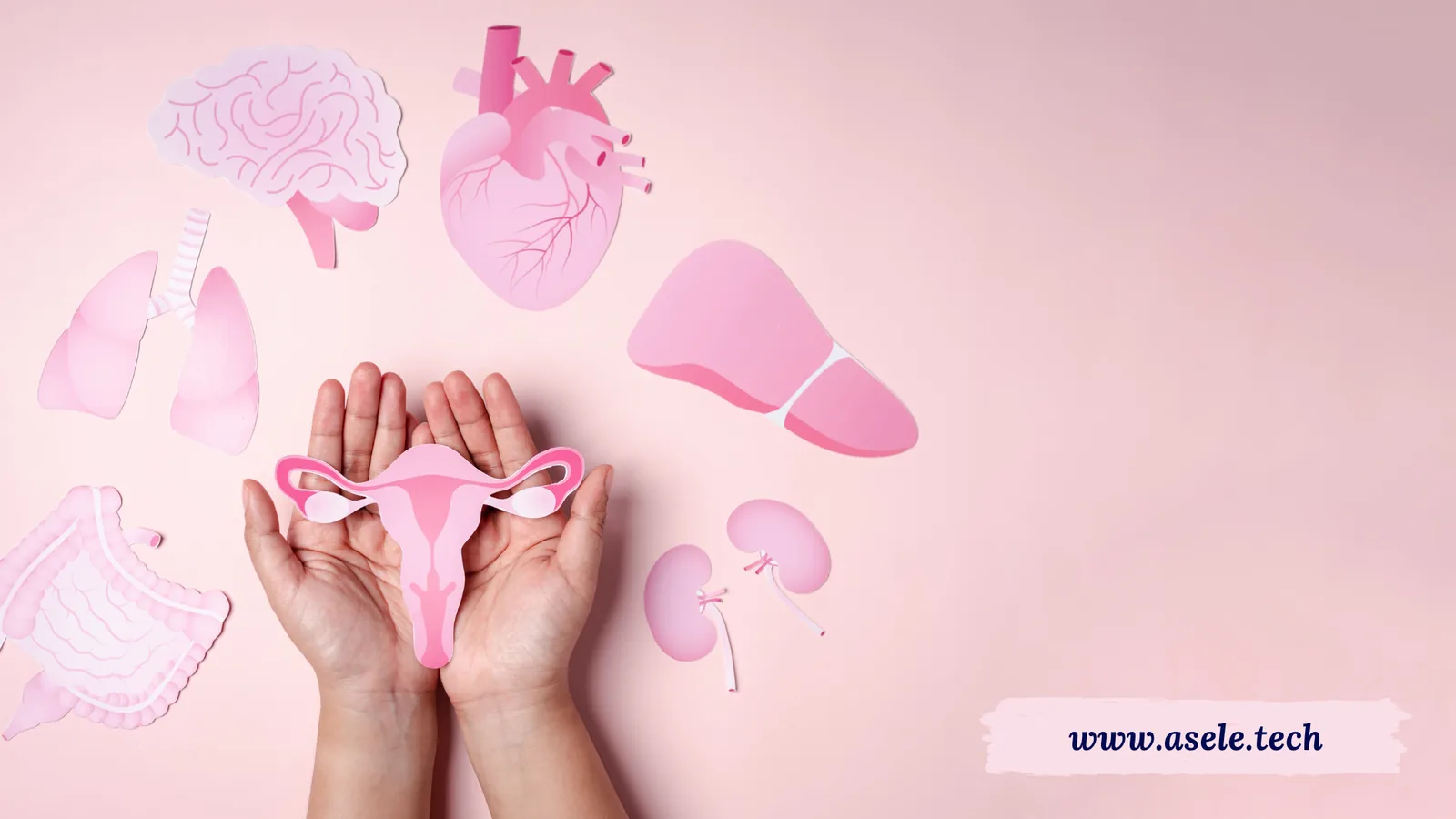
PCOS, renamed PMOS in 2026, is a whole-body hormonal and metabolic condition. Here is how it is diagnosed, how insulin resistance fits in, what it means for fertility, how to eat on an African plate, and how to protect your long-term health.

TL;DR: Polycystic ovary syndrome (PCOS) was renamed polyendocrine metabolic ovarian syndrome (PMOS) in May 2026, because it is a lifelong hormonal and metabolic condition, not a disease of ovarian cysts. It affects around 1 in 8 to 1 in 10 women, and up to 70 percent do not know they have it. Diagnosis needs two of three signs: irregular cycles, raised androgens, and polycystic ovaries on a scan or a raised AMH blood test. Balanced meals, movement and sleep help at every body size, treatments are tailored to your goals, and regular checks protect your heart, blood sugar and womb lining.
Maybe your periods have always been far apart, or stopped for months with no explanation. Maybe it was acne along your jaw that would not clear, hair on your chin you pluck every morning, or a doctor who mentioned "cysts" and moved on. Many women live with these signs for years before anyone connects them, and when the diagnosis finally comes, it often arrives with a prescription and very little explanation. This guide puts the whole picture in one place, with links to our deeper posts on each part, so you can understand what is happening in your body and walk into your next appointment ready.
What is PCOS, and why is it now called PMOS?
PCOS is a common hormonal and metabolic condition in which the body makes more androgens (hormones like testosterone that everyone has) and often struggles to respond to insulin. Together these disrupt ovulation, which is why periods become irregular, and drive signs like acne and unwanted hair growth.
On 12 May 2026, after a global consensus process led from Monash University and involving more than 50 patient and professional organisations, the condition was officially renamed polyendocrine metabolic ovarian syndrome (PMOS). The new name was published in The Lancet. The Endocrine Society explains why: the old name reduced a complex, lifelong endocrine disorder to a misunderstanding about cysts, when research shows there is no increase in abnormal cysts on the ovary. The condition affects hormones, metabolism, weight, mental health and reproduction, and the old name contributed to missed diagnoses and fragmented care. The change is being phased in over three years, with full use in the 2028 international guideline update. The NHS has already switched its pages to PMOS. Because most people and many clinicians still say PCOS, we use both names here.
It is very common. The World Health Organization estimates PCOS affects 10 to 13 percent of women of reproductive age, and the Endocrine Society puts it at about 1 in 8, more than 170 million women worldwide. The WHO also notes that up to 70 percent of women with the condition do not know they have it. For the basics in plain language, start with PCOS explained: symptoms, causes and treatment.
What are the symptoms of PCOS?
PCOS shows up differently in every woman, and you do not need every sign to have it. The most common, drawn from the NHS and the 2023 international guideline, are:
- Irregular, infrequent or absent periods, often cycles longer than 35 days or fewer than eight a year
- Excess hair growth (hirsutism) on the face, chest, tummy or back
- Acne and oily skin, especially along the jaw and chin
- Thinning hair on the scalp
- Weight gain, particularly around the middle, and finding weight harder to shift
- Dark, velvety patches of skin on the neck, armpits or groin (acanthosis nigricans), a sign of insulin resistance
- Difficulty getting pregnant, because ovulation is irregular
- Low mood, anxiety and tiredness
The 2023 guideline notes that how severe hair growth looks can vary by ethnicity, and asks clinicians to treat any unwanted hair growth you report as important, whatever it looks like on examination. We look at how the condition presents in African women in PCOS awareness for African women and in our community post, let's talk about PCOS.
How is PCOS diagnosed?
There is no single test. Diagnosis works by pattern and by ruling out other causes. Under the Rotterdam criteria, as refined in the 2023 international evidence-based guideline, adults need two of these three:
- Irregular cycles or ovulation. From three years after a first period, this means cycles shorter than 21 days, longer than 35 days, or fewer than eight a year. Any single cycle longer than 90 days is a reason to assess for PCOS.
- Raised androgens, either seen physically (hair growth, acne, scalp hair loss) or measured on a blood test.
- Polycystic ovary morphology, meaning many small follicles on an ultrasound, or, in adults, a raised anti-Müllerian hormone (AMH) blood test as an alternative to the scan. The guideline advises using one or the other, not both, to avoid over-diagnosis.
For teenagers, the guideline does not recommend ultrasound, because there are no reliable criteria for young ovaries. Diagnosis needs both irregular cycles and raised androgens. Doctors should also rule out conditions that look similar, such as thyroid problems and raised prolactin.
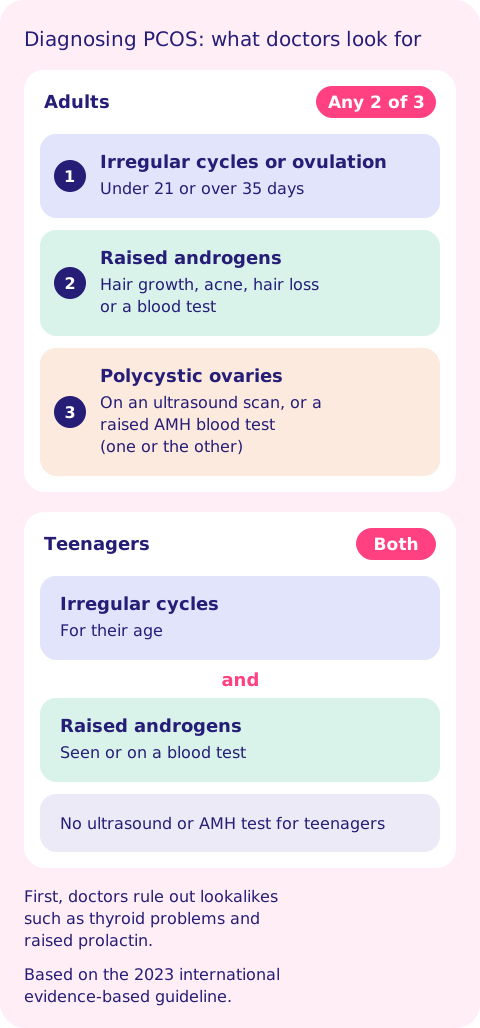
How the 2023 international guideline diagnoses PCOS in adults and in teenagers.
Because the signs are scattered across months, diagnosis is often slow. In one international survey of more than 1,000 women, a third waited more than two years and nearly half saw three or more health professionals before being diagnosed. We explain why, and what to log to speed things up, in PCOS: why diagnosis takes years.
How does insulin resistance fit in?
Insulin is the hormone that moves sugar from your blood into your cells. With insulin resistance, your cells respond poorly, so your pancreas makes more insulin to compensate. Your blood sugar can look normal on a basic test for years while insulin runs high in the background. That excess insulin signals the ovaries to make more androgens, which disrupts ovulation and feeds the skin and hair changes. It also encourages fat storage around the middle, which can deepen the resistance.
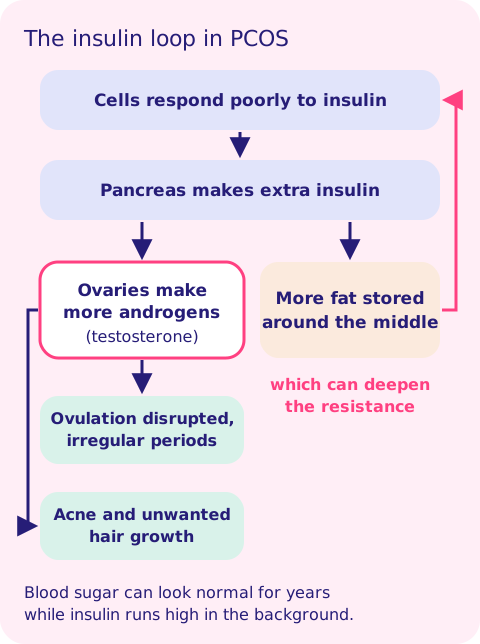
How insulin resistance feeds the hormone changes behind many PCOS symptoms.
Insulin resistance is common in PCOS at every body size, including in slim women, which is one reason the new name puts "metabolic" at its centre. It is also why blood-sugar-friendly habits tend to help across the board. Read PCOS and insulin resistance for a plain-language walkthrough.
Can you get pregnant with PCOS?
Yes. PCOS is one of the most common causes of difficulty conceiving, because ovulation happens less often, but many women with PCOS conceive, some without any help and some with straightforward treatment. "It may take longer" and "it cannot happen" are very different sentences.
The 2023 guideline recommends letrozole as the first-line medicine to help ovulation in women with PCOS who are not ovulating, with other options such as clomifene, metformin, gonadotropins, laparoscopic ovarian drilling and IVF available depending on your situation. NHS guidance suggests seeing a GP after a year of trying, or sooner if you are 36 or over or have any other reason to be concerned about your fertility. With PCOS and very irregular cycles, it is reasonable to ask earlier. Pregnancy with PCOS carries a higher risk of gestational diabetes, so the guideline recommends a glucose tolerance test during pregnancy. Read PCOS and fertility for more.
What should you eat with PCOS on an African plate?
There is no single PCOS diet, and you do not have to give up the food you grew up with. The aim is to keep blood sugar on an even keel so insulin stays lower. The WHO notes that healthy eating and physical activity matter for all women with PCOS, even if they do not lead to weight loss.
In practice that means rebalancing the plate rather than replacing it:
- Half vegetables: efo riro, edikang ikong, okra, ogbono, sukuma wiki or a fresh salad
- A quarter protein: fish, chicken, lean beef, eggs, beans, moin moin or akara
- A quarter starch: a fist-sized portion of eba, fufu, amala, pounded yam, ugali, jollof or plantain
- Pair carbs with protein and fibre so sugar arrives more slowly
- Choose unripe or boiled plantain more often than very ripe dodo, and brown rice or ofada if you enjoy them
- Go easy on sugary drinks, juices, chin chin and heavily sweetened pap, and reach for groundnuts, boiled eggs, whole fruit or unsweetened zobo instead
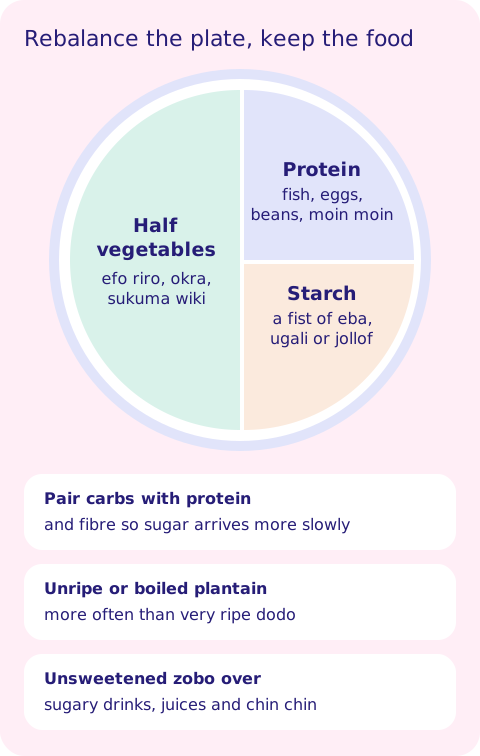
The same plate you grew up with, rebalanced to keep blood sugar steadier.
Beans are a quiet hero, high in protein and fibre. Movement you can keep up, whether walking, dancing or lifting, and good sleep both support the rest. Our full guide, managing PCOS on a Nigerian plate, works through swallow, soups, rice, beans and snacks one by one.
A word on weight. For some women carrying extra weight, modest loss can help ovulation and symptoms. But PCOS affects women of every size, and the 2023 guideline asks clinicians to be aware of weight stigma when they talk about lifestyle. It also asks them to consider eating disorders regardless of weight. You deserve care that focuses on your health, not your body size.
How do you track irregular cycles with PCOS?
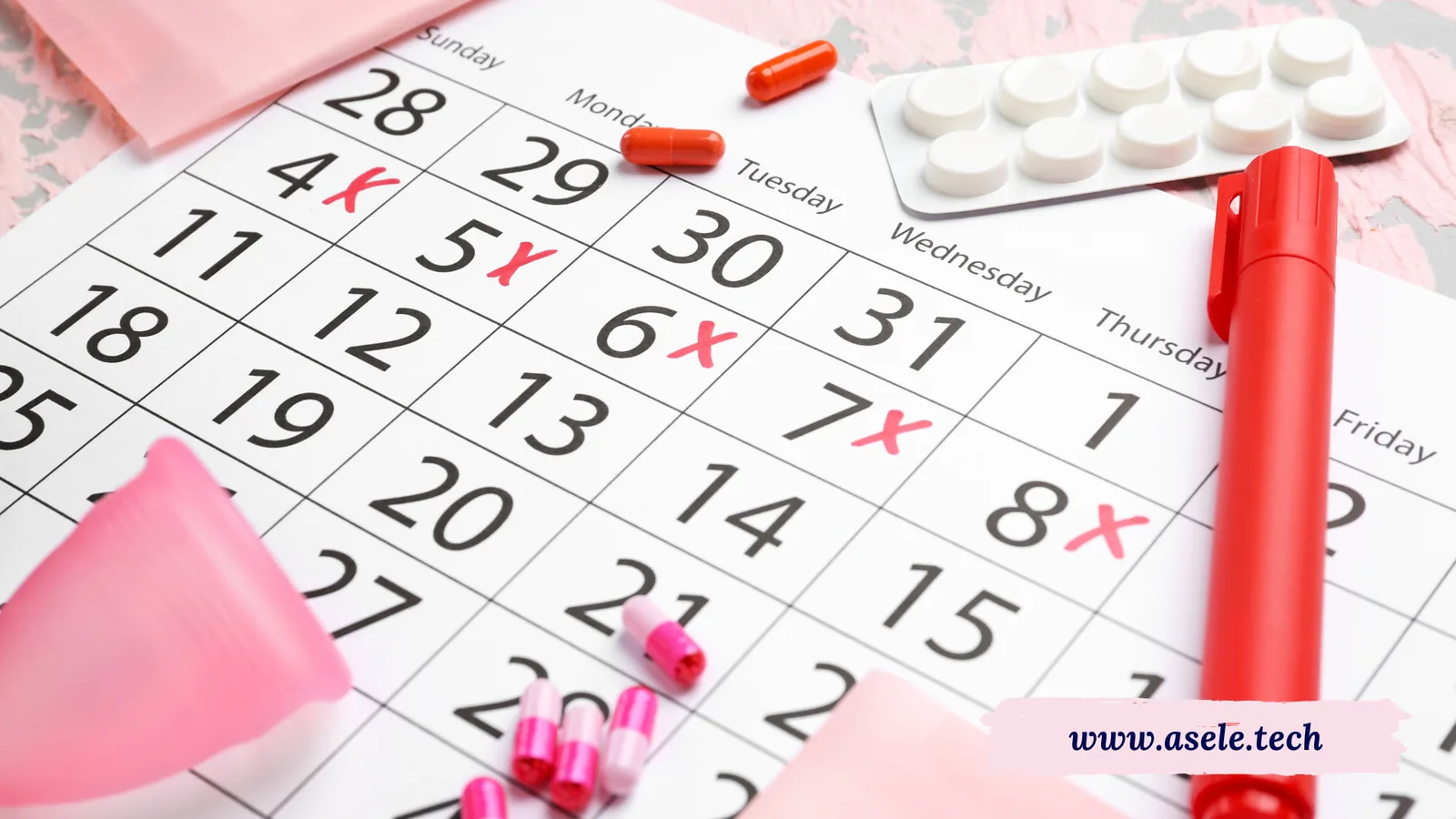
When cycles vary from 32 days to 90, app predictions become unreliable, so your own record does the work. Log the first day of every bleed, how heavy it is and how long it lasts, spotting between periods (separately), skin and hair changes, mood and energy, and the date you start or stop any treatment.
Long gaps matter for a specific reason. Without regular ovulation, the womb lining can keep building without shedding, which over time raises the risk of endometrial hyperplasia and womb cancer, and the 2023 guideline lists long-standing untreated absent periods as an added risk factor. So if you go more than three months without a period and are not pregnant, book an appointment. A doctor may suggest a progestogen to bring on a bleed, the combined pill or a hormonal coil. We cover the practical side in tracking irregular periods when you have PCOS, and the wider picture in irregular periods: causes and treatment.
What are the long-term health risks?
PCOS is about much more than periods and fertility. The WHO and NHS list higher risks of type 2 diabetes, high blood pressure, high cholesterol, heart disease, fatty liver disease, sleep apnoea, and endometrial hyperplasia and cancer. Knowing this is not meant to frighten you. It is why regular checks matter, and why much of what helps is within reach.
The 2023 guideline recommends that all women with PCOS:
- Have blood sugar checked at diagnosis and every 1 to 3 years after, depending on other risk factors
- Have blood pressure measured every year, and when planning pregnancy
- Have a cholesterol test at diagnosis, whatever their age or weight
- Are screened for depression and anxiety, since both are more common with PCOS
On the womb lining, the guideline notes the risk of endometrial cancer is markedly higher than average but the overall chance remains low, so routine screening is not advised. Protecting the lining with regular bleeds, and reporting heavy, prolonged or unusual bleeding, is what counts.
What treatments are available?
There is no cure, but there are many ways to manage PCOS, and the right mix depends on your symptoms and goals:
| Your goal | Options | Good to know |
|---|---|---|
| Metabolic health | Lifestyle (food, movement, sleep, stress) for everyone; metformin, which improves how your body handles insulin | The guideline suggests considering metformin particularly in adults with a BMI of 25 or more |
| Regular bleeds and a protected womb lining | The combined pill, progestogens or a hormonal coil | The bleed on the pill is a withdrawal bleed, not a sign your own ovulation has returned |
| Less acne and unwanted hair | The combined pill, anti-androgens such as spironolactone, and laser or electrolysis for hair | The pill works over time, and anti-androgens are not suitable in pregnancy |
| Getting pregnant | Letrozole first, then other fertility treatments | Letrozole is the first-line medicine to help ovulation |
Ask what any prescription is treating and how you will know it is working, and never start or stop medication without talking to a clinician. If you have just been diagnosed, PCOS: just diagnosed, what next? lists the first questions to bring to your doctor.
Is it PCOS or endometriosis?
The two often get confused because both can cause period problems and affect fertility, but they are different conditions. Endometriosis is an inflammatory condition defined by pain. PCOS is a hormonal and metabolic condition defined by disrupted ovulation and androgen excess. You can have both. If pain dominates your story, ask about endometriosis too. Our side-by-side guide, endometriosis vs PCOS, breaks down the differences, and our complete guide to periods covers other causes of irregular and painful cycles.
When should you see a doctor?
Book an appointment if you have:
- no period for more than three months and a negative pregnancy test
- cycles regularly shorter than 21 days or longer than 35
- acne, hair growth or scalp hair thinning alongside irregular cycles
- very heavy bleeding, large clots, or bleeding between periods or after sex
- signs of high blood sugar, such as lots of thirst, peeing often or rapid weight change
- low mood or anxiety that is affecting your life
- trouble conceiving after a year of trying, or sooner if you are 36 or over or have very irregular cycles
Seek help promptly for very rapid new hair growth, a deepening voice or other sudden changes, which need checking for rarer causes, and for heavy bleeding with dizziness or breathlessness.
Living well with PCOS in Africa and the diaspora
For many African women, the hardest part is being heard. Irregular periods get waved away as normal, reproductive health carries stigma, infertility brings family pressure, and appointments are short. Too often the pill is handed over with little explanation. A few things help: track your symptoms before you go, name what you suspect ("Could this be PCOS?"), ask which tests have been done and what the plan is treating, and seek a second opinion if you keep being dismissed. Find community too. Talking with other women who live with PCOS takes away some of the isolation, and the fear around fertility deserves care of its own.
How can Asele help?
Asele offers cycle tracking and symptom logging, so you can record bleeds, spotting, skin and hair changes, mood and energy as they happen, which is the pattern PCOS diagnosis and treatment depend on. Amara, the in-app assistant, can talk through your questions in Yoruba, Hausa, Igbo, Swahili, French or English. Before an appointment, the Asele Health Brief turns your history into a summary you can take to your doctor. Asele does not diagnose, but it means you never have to manage PCOS with nothing but a name. You can find us at Asele.
Frequently asked questions
What is PCOS called now?
Since May 2026, PCOS has officially been called polyendocrine metabolic ovarian syndrome, or PMOS, following a global consensus published in The Lancet. Both names refer to the same condition, and PCOS will stay in common use during the three-year transition.
Do you need cysts on your ovaries to have PCOS?
No. The "cysts" seen on scans are small follicles, not true cysts, and research shows no increase in abnormal cysts in the condition. You can be diagnosed with irregular cycles and raised androgens alone, and teenagers are diagnosed without an ultrasound.
Can slim women have PCOS?
Yes. PCOS affects women of every body size, and insulin resistance can be present even in slim women. Healthy eating and movement still help, whether or not your weight changes.
Does PCOS mean I cannot have children?
No. PCOS can make ovulation irregular, so conception may take longer, but many women with PCOS conceive, with or without treatment. Letrozole is the first-line medicine to help ovulation, so speak to a clinician early if you are trying.
Will PCOS go away after menopause?
Periods stop at menopause, but the metabolic side of PCOS, including the higher risk of diabetes and heart disease, continues. That is why the new name describes it as lifelong, and why regular blood sugar, blood pressure and cholesterol checks stay important.
This guide is education, not medical advice. Only a clinician can diagnose PCOS and recommend treatment that fits your body and goals.
References
- Polyendocrine metabolic ovarian syndrome, the new name for polycystic ovary syndrome: a multistep global consensus process. The Lancet, 2026. thelancet.com
- Endocrine Society. Polyendocrine Metabolic Ovarian Syndrome: new name to improve diagnosis and care of condition affecting 170 million women worldwide, 2026. endocrine.org
- World Health Organization. Polycystic ovary syndrome fact sheet. who.int
- Teede HJ, et al. Recommendations from the 2023 International Evidence-based Guideline for the Assessment and Management of Polycystic Ovary Syndrome. J Clin Endocrinol Metab, 2023. academic.oup.com
- NHS. Polyendocrine metabolic ovarian syndrome (PMOS). nhs.uk
- NHS. Infertility: diagnosis. nhs.uk
- Gibson-Helm M, et al. Delayed diagnosis and a lack of information associated with dissatisfaction in women with polycystic ovary syndrome. J Clin Endocrinol Metab, 2017. pubmed.ncbi.nlm.nih.gov
- Diamanti-Kandarakis E, Dunaif A. Insulin resistance and the polycystic ovary syndrome revisited: an update on mechanisms and implications. Endocr Rev, 2012. pubmed.ncbi.nlm.nih.gov
- NHS. Stopped or missed periods. nhs.uk