Managing PCOS on a Nigerian Plate: What to Eat
You do not have to give up jollof, beans, or swallow to eat well with PCOS. Here is how to build blood-sugar-friendlier versions of the Nigerian meals you already love, one plate at a time.
TL;DR: Nutrition is one of the most useful levers for managing PCOS, because so much of the condition runs through insulin resistance and blood sugar. The good news is that you do not have to abandon Nigerian food to eat in a PCOS-friendly way. The move is not to swap eba for kale, it is to rebalance the plate: smaller portions of swallow and rice, more protein and vegetables, beans and unripe plantain over the most sugary options, and pairing carbs with fibre and protein so your blood sugar rises gently. This is management alongside your clinician or dietitian, not a cure.
If you have PCOS and you have read anything about diet, you have probably felt the sting of advice that seems written for someone else's kitchen. Cut the rice. Skip the bread. Load up on quinoa and berries. It is easy to walk away thinking that eating well means giving up the food you grew up on.
It does not. Nigerian and West African cooking has plenty to work with, and the goal is not to replace your cuisine. It is to build gentler versions of the meals you already love, so your plate works with your hormones rather than against them.
Let us walk through it, plate by plate.
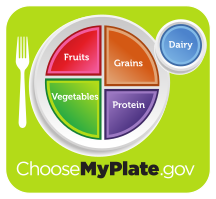
A simple way to picture a balanced plate: fill half with vegetables, a quarter with protein, and keep starchy carbs to about a quarter. The same shape works with Nigerian food. Illustration by the United States Department of Agriculture, public domain, via Wikimedia Commons.
Why Nutrition Matters So Much for PCOS
PCOS is a hormonal and metabolic condition, and one of its central drivers is insulin resistance. When your cells stop responding well to insulin, your body pumps out more of it to keep blood sugar in check. Those higher insulin levels push the ovaries to make more androgens, which is part of what disrupts ovulation and feeds symptoms like irregular periods, acne, and unwanted hair growth.
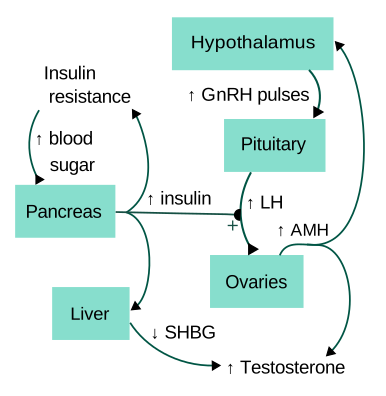
How PCOS develops: raised androgens and insulin resistance interfere with ovulation. Illustration by Femke, Wikimedia Commons, CC BY 4.0.
This is why food is such a useful lever. The way you eat has a direct effect on your blood sugar and insulin, which is the exact machinery PCOS runs on. You are not trying to lose weight for the sake of it or punish yourself with a joyless menu. You are trying to keep your blood sugar on an even keel so your insulin stays lower, which eases the hormonal knock-on effects. Our guide on blood sugar and hormones digs into that connection in more depth.
One quick note on the name. In 2026, a global consensus of endocrinologists renamed PCOS to polyendocrine metabolic ovarian syndrome (PMOS), precisely to reflect that it is a whole-body metabolic condition rather than a disease of ovarian cysts. Most people still say PCOS, so we use that here, but the new name tells you why nutrition sits so close to the centre of managing it.
The One Idea That Ties It All Together: Glycaemic Load
If you take one concept from this piece, make it glycaemic load. It describes how much and how quickly a food raises your blood sugar. Refined carbohydrates eaten on their own, think white rice, white bread, or a large mound of swallow, spike blood sugar fast. That spike triggers a big insulin response, which is what you are trying to soften with PCOS.
You lower the glycaemic load of a meal in three ways: eat a smaller portion of the carb, choose a less refined version, and pair it with protein, fibre, and healthy fat so digestion slows down. Almost everything below is a version of those three moves applied to everyday Nigerian food.
You are not banning any single dish. You are changing the shape of the plate.
Swallow: Eba, Fufu, Amala, Pounded Yam
Swallow is where most people brace for bad news, so let us be clear: you can keep it. The issue is rarely the swallow itself, it is the size of the mound and what sits beside it.
- Mind the portion. A fist-sized serving behaves very differently from a plate-filling one. Start smaller than usual and let the soup and protein do more of the work.
- Choose the gentler swallows more often. Amala (from yam or plantain flour) and oat-based or wheat-based swallow tend to sit a little easier on blood sugar than heavily refined options, though portion still matters most.
- Never eat it naked. Swallow paired with a generous, vegetable-rich soup and a solid piece of protein has a lower glycaemic load than swallow eaten fast and alone. The fibre and protein slow the whole meal down.
So the eba stays. It just shares the plate more fairly.
Efo Riro and the Vegetable Soups
This is where Nigerian food shines for PCOS. Efo riro, edikang ikong, ogbono, okra, and the other vegetable-heavy soups are packed with fibre, and they are the natural partner to a smaller portion of swallow.
Lean into them. Load the soup with leafy greens, add plenty of protein (fish, chicken, lean beef, or eggs), and go easier on the palm oil rather than cutting it out entirely. A big bowl of efo riro with a modest swallow is one of the most PCOS-friendly plates in the whole cuisine, because the vegetables and protein blunt the blood-sugar rise from the carb.
Jollof, Fried Rice, and White Rice
Rice is not the enemy, and you can absolutely still eat it. The trick is to stop letting rice be the whole plate.
- Shrink the rice, grow the rest. Serve a smaller scoop of jollof and crowd the plate with protein and vegetables. Moi moi, chicken, fish, a side of vegetables, or a fresh salad all pull the glycaemic load down.
- Add fibre and protein first. Eating your protein and vegetables alongside (or even before) the rice slows how fast the carbs hit your bloodstream.
- Brown rice or ofada where you like it. Less-refined rice adds fibre, so if you enjoy ofada or brown rice, they are a friendly swap. If you prefer white rice, keep it and manage the portion and the pairing instead.
The principle carries across every rice dish: rice as a quarter of the plate, not the centre of gravity.
Beans and Moi Moi: Your Quiet Allies
If there is a hero food here, it is beans. Nigerian beans, moi moi, and akara are rich in protein and fibre, which is exactly the combination that keeps blood sugar steady. Beans have a naturally low glycaemic load, and they fill you up, which helps with the appetite swings that ride along with insulin resistance.
Make beans a regular fixture. A plate of beans with a little plantain and some vegetables is a strong PCOS meal. Moi moi alongside a rice dish is one of the easiest ways to lower the glycaemic load of the whole plate without changing much else.
Plantain: Ripe Versus Unripe
Plantain is a good example of how a small choice changes the blood-sugar picture. As plantain ripens, its starch turns to sugar, so a very ripe, sweet dodo raises blood sugar more sharply than firmer, less-ripe plantain.
You do not have to give up dodo. Just know the trade-off, keep the sweet ripe version to smaller portions, and reach for unripe or boiled plantain more often, especially the way it is used in plantain-flour amala or boiled unripe plantain (which some people eat specifically for blood-sugar reasons). Pairing plantain with protein and vegetables, as always, softens the effect.
Snacks, Drinks, and the Sneaky Sugar
The gaps between meals are where a lot of hidden sugar lives. Chin chin, sweetened soft drinks, fruit juices, and heavily sweetened pap can spike blood sugar quietly.
Reach instead for groundnuts, boiled eggs, a handful of nuts, plain yoghurt, fruit eaten whole rather than juiced, or a small portion of roasted plantain with pepper. And keep an eye on drinks: swapping sugary soft drinks and juices for water, unsweetened zobo, or tea removes one of the biggest and easiest-to-miss sources of sugar in a typical day. Learning how foods combine also helps you build snacks that steady, rather than spike, your blood sugar.
Putting It on One Plate
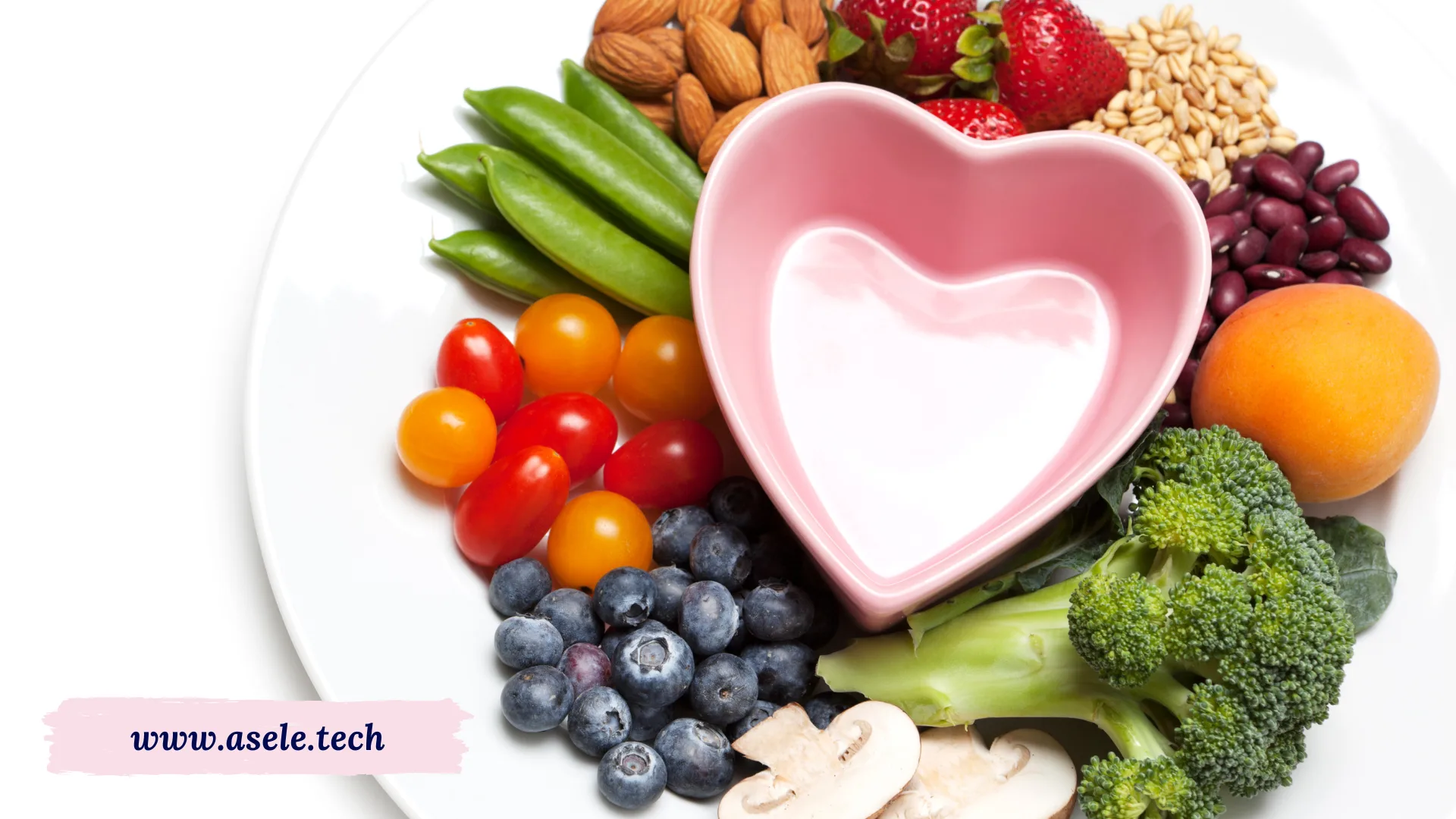
Here is the whole approach in one picture. Aim for a plate that is roughly:
- Half vegetables: efo, salad, or a vegetable-rich soup.
- A quarter protein: fish, chicken, lean meat, eggs, or beans.
- A quarter starchy carb: a modest portion of swallow, rice, or plantain.
That is the same MyPlate shape from the top of this piece, translated into Nigerian food. Nothing is forbidden. The dishes stay, the balance shifts, and your blood sugar rides gentler waves through the day.
If you are newly diagnosed and feeling overwhelmed by all of this, our guide on what to do after a PCOS diagnosis is a calmer place to start.
What Nigerian foods are good for PCOS?
Vegetable-rich soups like efo riro and edikang ikong, beans and moi moi, unripe or boiled plantain, fish, chicken, eggs, groundnuts, and modest portions of ofada or brown rice all suit a PCOS-friendly plate. They are high in fibre and protein, which keeps blood sugar steady and eases the insulin resistance that drives many PCOS symptoms. The aim is balance across the plate rather than a strict list of allowed foods.
Can I still eat rice and swallow with PCOS?
Yes. You do not have to cut out rice or swallow to manage PCOS. The difference is in portion size and pairing: keep the rice or swallow to about a quarter of the plate, fill the rest with vegetables and protein, and eat the fibre and protein alongside the carb so your blood sugar rises more gently. Less-refined options like brown rice, ofada, or plantain-flour amala add fibre, but managing the portion matters most.
Does losing weight help PCOS?
For some women carrying extra weight, a modest, gradual loss can improve insulin sensitivity, help restore more regular ovulation, and ease symptoms. That said, weight is not the whole story, and PCOS affects women across every body size. The steadier goal is improving how your body handles blood sugar through balanced meals and movement, which helps whether or not the scale moves. Our post on weight management and hormones covers this with more nuance, and any weight-focused plan is worth discussing with your clinician.
Eating Well With PCOS, the Nigerian Way
Managing PCOS through food is not about swapping your cuisine for someone else's. It is about rebalancing the plates you already know: smaller portions of swallow and rice, more vegetables and protein, beans and unripe plantain as steady allies, and a careful eye on sugary snacks and drinks. Each of those moves lowers the glycaemic load of the meal, which keeps your blood sugar and insulin calmer, which is the exact machinery PCOS runs on.
A PCOS diet built on Nigerian food is not a punishment or a cure. It is a set of small, repeatable choices that make managing PCOS feel possible without giving up the meals that feel like home. Work alongside a clinician or a dietitian to tailor it to your body, and let the changes build one plate at a time.
Asele is a holistic women's-health app built for African women in Lagos, London, Amsterdam, and beyond, with cycle tracking and phase-based nutrition guidance that meets you where you eat. If you want support that understands both your hormones and your kitchen, Asele is built for exactly that.
References
- World Health Organization. "Polycystic ovary syndrome." who.int
- American College of Obstetricians and Gynecologists. "Polycystic Ovary Syndrome (PCOS)." acog.org
- Eunice Kennedy Shriver National Institute of Child Health and Human Development (NICHD). "Polycystic Ovary Syndrome (PCOS)." nichd.nih.gov
- Office on Women's Health, U.S. Department of Health and Human Services. "Polycystic ovary syndrome." womenshealth.gov
- MedlinePlus, U.S. National Library of Medicine. "Polycystic Ovary Syndrome." medlineplus.gov
- Szczuko M, et al. "Nutrition Strategy and Life Style in Polycystic Ovary Syndrome: Narrative Review." Nutrients, 2021. pmc.ncbi.nlm.nih.gov
- Endocrine Society. "Polyendocrine Metabolic Ovarian Syndrome: New name to improve diagnosis and care." 2026. endocrine.org
Image credits
- Balanced plate illustration: United States Department of Agriculture, MyPlate, public domain, via Wikimedia Commons (MyPlate).
- PCOS mechanism illustration: Femke, CC BY 4.0, via Wikimedia Commons (mechanism).
Related posts on Asele:
← Back to The Journal