High Blood Pressure in Women: The Silent Risk
High blood pressure rarely causes symptoms, yet it drives strokes, heart attacks and kidney disease. Here is what your numbers mean, how the pill, pregnancy and menopause affect your risk, and the everyday changes, from stock cubes to home monitoring, that make a difference.
TL;DR: High blood pressure is usually 140/90 or higher at a clinic, or 135/85 or higher at home. Most people feel nothing, so a check is the only way to know. Women have specific moments of risk: the combined pill, pregnancy and the years around menopause. Cutting salt, including stock cubes, moving more and monitoring at home all help, and your doctor will advise on medicine depending on your numbers and overall risk.
Ask most women when they last had their blood pressure checked and you will get a pause. Maybe at an antenatal visit years ago. Maybe never outside a hospital. Yet high blood pressure, or hypertension, is one of the most common and most dangerous health problems in the world, and it rarely announces itself. You can feel completely fine while it quietly strains your heart, brain, kidneys and eyes. The upside is that it is easy to measure, cheap to check and very treatable.
What do blood pressure numbers mean?
A reading has two numbers, for example 130/80. The top number (systolic) is the pressure when your heart pushes blood out. The bottom number (diastolic) is the pressure when your heart rests between beats.
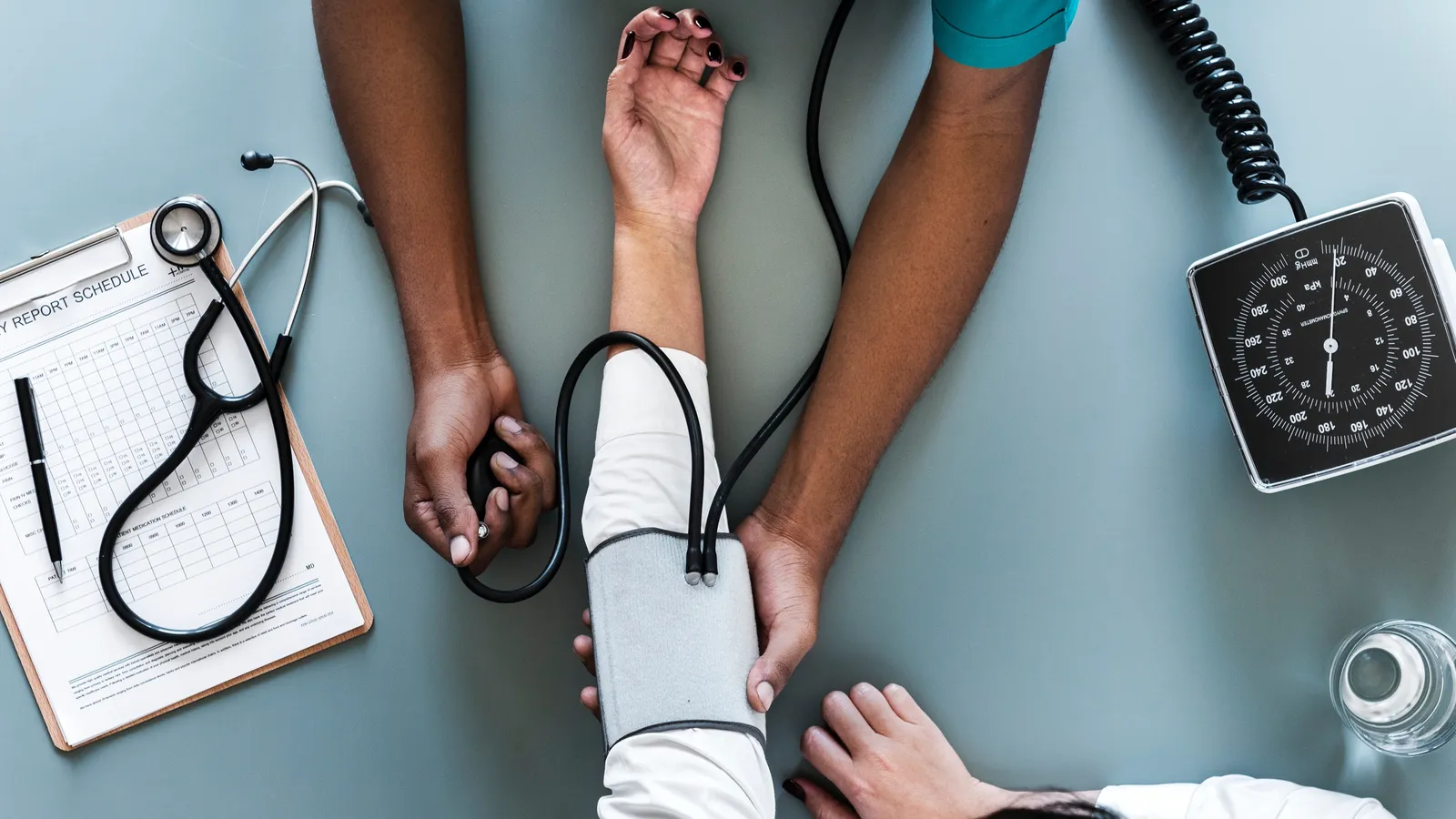
According to the NHS, you are usually considered to have high blood pressure if your reading is:
- 140/90 or higher when checked by a healthcare professional
- 135/85 or higher when checked at home
Home readings use a lower cut-off, partly because many people's pressure rises in a clinic setting. A single high reading does not mean you have hypertension. NICE recommends confirming it with a day of ambulatory monitoring or a week of home readings before a diagnosis is made.
Does high blood pressure cause symptoms?
Usually not, which is why it is called a silent risk. The WHO estimates that 1.4 billion adults aged 30 to 79 had hypertension in 2024, that about 44 percent of them did not know, and that only around 23 percent had it under control. Rarely, very high blood pressure causes headaches, blurred vision or chest pain.
Call 999 in the UK, or get emergency help wherever you are, if you have sudden chest pain or pressure that does not go away, or signs of a stroke such as a drooping face, arm weakness or slurred speech. Our guide to stroke in women explains the FAST test and the signs that are easily missed.
Why does high blood pressure matter so much for African women?
The NHS lists a Black African, Black Caribbean or South Asian background as a risk factor, alongside age, family history, a high-salt diet, being overweight, smoking, drinking too much alcohol and long-term stress. The WHO notes that two thirds of adults with hypertension live in low- and middle-income countries, where checks and treatment are often harder to reach.
In West Africa, the SIREN study of stroke in Ghana and Nigeria found that high blood pressure was the leading risk factor for stroke in both women and men. Untreated, hypertension also raises the risk of heart attacks, heart failure, kidney disease and vascular dementia.
How the pill, pregnancy and menopause affect your blood pressure
Women's risk shifts at particular points in life, and each one is a good moment for a check.
The combined pill. The NHS says the combined pill can cause high blood pressure in a small number of people. That is why your blood pressure should be checked before you start and regularly while you take it. If your blood pressure is high, the NHS says you may not be able to take it, and you can be offered a different method. Our contraception comparison goes through the choices.
Pregnancy. High blood pressure can appear for the first time in pregnancy, and it can turn into pre-eclampsia, which is dangerous for mother and baby. This is why your blood pressure is checked at every antenatal visit. If you are pregnant, read our guide to pre-eclampsia warning signs. The effects can last: NICE says women who have had high blood pressure in pregnancy have an increased risk of hypertension and cardiovascular disease later in life. If that is part of your history, make sure every future doctor knows and get your blood pressure checked regularly.
Menopause. Blood pressure tends to rise with age, and the years around menopause can add to that. In a US study following more than 3,000 women through midlife, about a third saw their systolic blood pressure rise faster starting around a year after their final period. If you are in perimenopause, our perimenopause symptoms guide is a useful companion, and a blood pressure check belongs on your midlife health list.
How do I check my blood pressure at home?
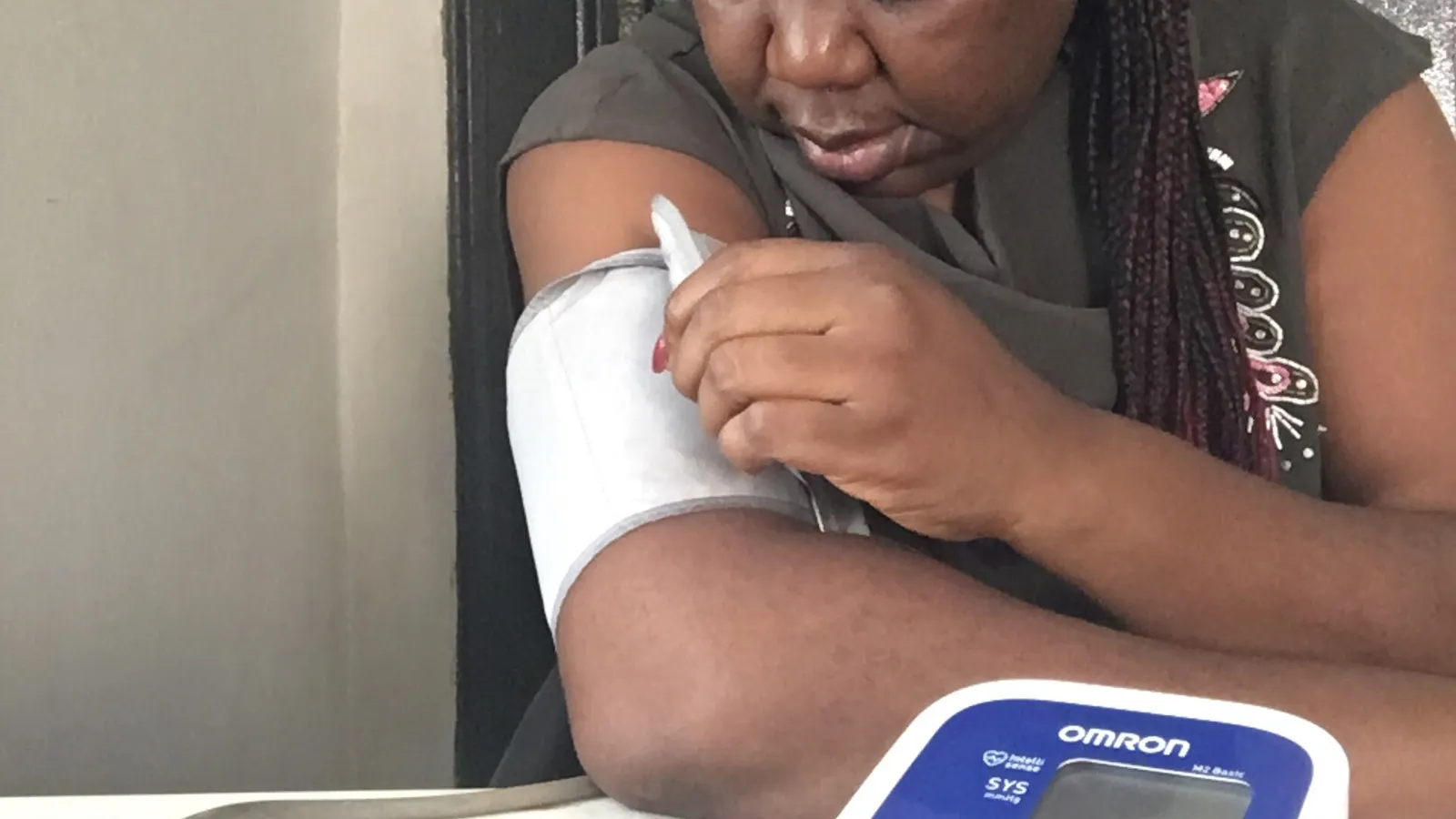
Home monitoring is one of the most useful things you can do, especially if you have had borderline readings or high blood pressure in pregnancy. Choose a validated upper-arm monitor with the right cuff size for your arm, and follow the method NICE uses to confirm a diagnosis:
- Sit down, back supported, feet flat, arm resting at heart level. Rest for a few minutes first.
- Take two readings at least one minute apart.
- Do this twice a day, ideally morning and evening.
- Continue for at least 4 days, ideally 7.
- Ignore the first day and average the rest.
Write the numbers down or log them, and take them to your next appointment. An average at or above 135/85 is worth a conversation with your doctor. In the UK, many pharmacies offer free blood pressure checks for people aged 40 and over. In Nigeria, Kenya, Ghana and South Africa, many pharmacies and clinics can check it too, so ask next time you pick up a prescription.
Do salt and stock cubes matter?
Yes, a lot. The WHO recommends adults eat less than 2,000 mg of sodium a day, which is under 5 g of salt, or about one teaspoon. The global average is more than double that.
In West African kitchens, much of the salt comes from what we add while cooking. A 2025 study of Nigerian adults in the FCT, Kano and Ogun found a median intake of about 3,900 mg of sodium a day, nearly twice the WHO limit. Salt added during cooking was the biggest single source, followed by bouillon in all its forms, which made up nearly a quarter of sodium intake. That covers Maggi and other stock cubes as well as seasoning powders.
You do not have to give up flavour. Try these:
- Use one stock cube where you used two, and skip the extra pinch of salt when you do use one.
- Build flavour with onions, garlic, ginger, scotch bonnet, crayfish, locust beans (iru or dawadawa), uziza, curry leaf and fresh herbs.
- Taste before you add salt at the table.
- Go easy on salted fish, processed meats, instant noodle seasoning sachets and salty snacks.
- Cook more at home when you can. In the same Nigerian study, restaurant and street food supplied about a quarter of sodium intake.
What else helps lower blood pressure?
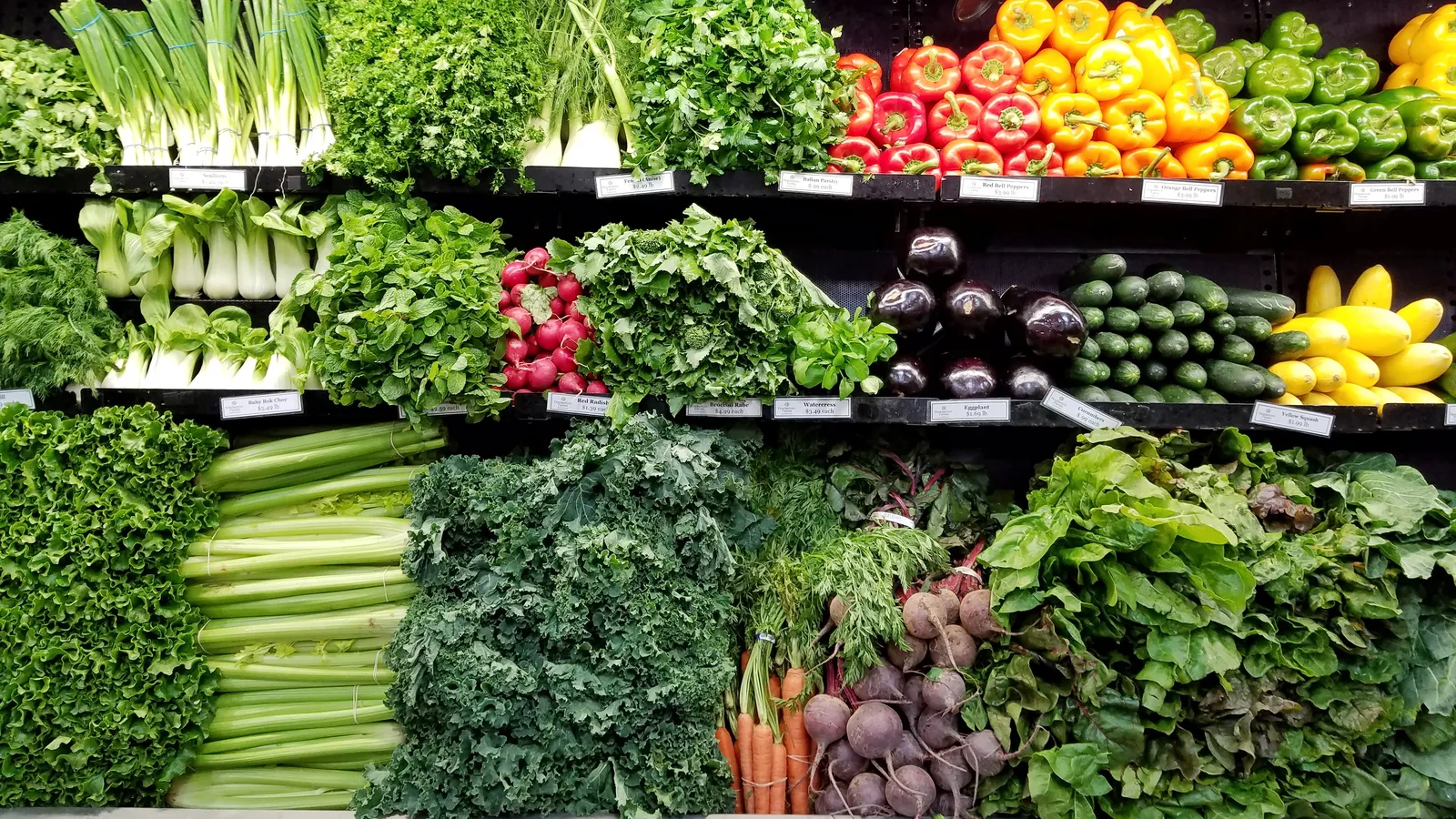
Alongside cutting salt, the WHO lists eating more fruit and vegetables, being physically active, not smoking, limiting alcohol and keeping to a healthy weight. Brisk walking most days, dancing and taking the stairs all count. Lowering your blood pressure even a little reduces your risk of heart disease and stroke.
When is medicine needed?
That depends on your numbers and your overall risk, and it is a decision to make with your doctor. Under UK NICE guidance:
- If your clinic reading is 160/100 or higher (stage 2), you should be offered medicine alongside lifestyle changes, at any age.
- If your clinic reading is 140/90 to 159/99 (stage 1), medicine is discussed if you are under 80 and have diabetes, kidney disease, heart disease, signs of organ damage, or a 10-year cardiovascular risk of 10 percent or more. If you are under 60 with a lower risk, it may still be considered, because short-term risk scores can underestimate lifetime risk.
- If you are under 40 with high blood pressure, NICE suggests considering a specialist review to look for an underlying cause.
A clinic reading of 180/120 or higher counts as severe, and NICE advises checking for organ damage as soon as possible, with same-day specialist review in some cases. Some people need more than one medicine to reach their target. If side effects bother you, talk to your doctor rather than stopping on your own.
Tracking what matters
Blood pressure is a number that makes more sense over time. With Asele you can log symptoms such as headaches alongside your cycle, and the Health Brief gives you a pre-visit summary to bring to your doctor along with your home readings. Amara can explain what your numbers mean in Yoruba, Hausa, Igbo, Swahili, French or English. You can find us at Asele. For a wider view of the checks worth doing at each age, see our women's health screening checklist.
This post is education, not medical advice. Your doctor or nurse can interpret your readings and help you choose the right plan.
References
- NHS. High blood pressure. nhs.uk
- World Health Organization. Hypertension fact sheet. who.int
- World Health Organization. Sodium reduction fact sheet. who.int
- National Institute for Health and Care Excellence. Hypertension in adults: diagnosis and management (NG136). nice.org.uk
- National Institute for Health and Care Excellence. Hypertension in pregnancy: diagnosis and management (NG133). nice.org.uk
- NHS. Side effects and risks of the combined pill. nhs.uk
- Akpalu A, et al. Differential impact of risk factors on stroke occurrence among men versus women in West Africa (SIREN). Stroke, 2019. pmc.ncbi.nlm.nih.gov
- Okoro CE, et al. Dietary sources of sodium intake in Nigerian adults: a population-based cross-sectional study. Scientific Reports, 2025. pmc.ncbi.nlm.nih.gov
- Samargandy S, et al. Trajectories of blood pressure in midlife women: does menopause matter? Circulation Research, 2022. pmc.ncbi.nlm.nih.gov
← Back to The Journal