Just Diagnosed With PCOS? What to Do Next (Beyond the Pill)
A new PCOS diagnosis can feel like a lot to carry, especially when you leave with a prescription and few answers. Here is a warm, practical guide to what it means and what to do next, with the pill in its proper place as one option among several.
TL;DR: A PCOS diagnosis is not a sentence, it is a starting point. PCOS (polycystic ovary syndrome) is a whole-body hormonal and metabolic condition, not a disease of ovarian cysts. Your first moves are simple: understand what the diagnosis means, ask your doctor a few clear questions, and learn the basics of insulin and nutrition. The birth-control pill is one common option, and it can help, but it is not the only path, and no one should start or stop any medication without talking to a clinician. Small, steady changes plus good self-advocacy go a long way.
Getting told you have PCOS can land in a strange place. Maybe you fought for years to be taken seriously, and the name is a relief. Maybe it arrived out of nowhere at a routine visit. Either way, many women walk out of that appointment with a prescription in hand and a hundred questions still unanswered, unsure what the diagnosis means for their body, their fertility, or their future.
If that is you, take a breath. You do not have to figure it all out today. This is a guide to the sensible first steps, written for someone who feels a little lost, and it puts the pill where it belongs: as one useful tool among several, not the whole story.
Let us walk through it.
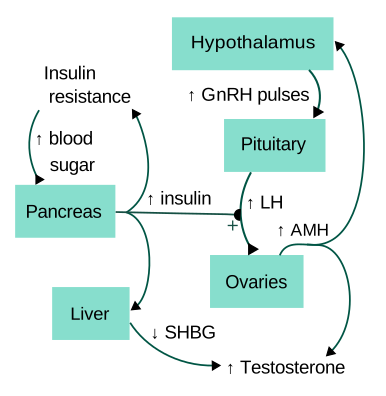
How PCOS develops: raised androgens and insulin resistance interfere with ovulation, which is why the periods stall. Illustration by Femke, Wikimedia Commons, CC BY 4.0.
What Your Diagnosis Means (It Is Not Just Cysts)
The name is misleading, and it trips almost everyone up. PCOS is not an ovary disease, and you do not need cysts to have it. PCOS is a hormonal and metabolic condition. The core issue is that your body produces more androgens (hormones like testosterone that everyone has, just higher here than they should be) and, in many women, does not respond to insulin the way it should. Those two things disrupt ovulation, which is why periods become irregular, and they drive the visible signs like acne and unwanted hair growth.
So PCOS shows up in the ovaries, but it lives in the whole body. That reframe matters, because it explains why the condition touches your blood sugar, your weight, your skin, and your long-term health, not only your cycle. For a fuller tour of the symptoms and causes, see PCOS Explained and, if you want the broader hormonal picture, understanding hormones as your body's chemical messengers.
The name is changing to reflect all this. In 2026, a global consensus led by endocrinologists renamed PCOS to polyendocrine metabolic ovarian syndrome (PMOS), precisely because it is an endocrine and metabolic condition rather than a disease of cysts (Endocrine Society, Scientific American). Most people, doctors, and search engines still say PCOS, so we use that name here, but the new one tells you where the science stands.
The First Questions to Ask
If you can, book a follow-up, even a short one. A diagnosis handed over in a rushed visit rarely comes with the explanation you deserve. A few questions to bring:
- Which of the diagnostic signs do I have? PCOS is confirmed with the Rotterdam criteria, where you need two of three signs: irregular ovulation, high androgens, and many follicles on an ultrasound. Knowing which apply to you helps you understand your own picture.
- Have my insulin and blood sugar been checked? Insulin resistance is common in PCOS and shapes a lot of the plan, so it is worth asking whether it has been looked at.
- What is this prescription for, and how will we know if it works? Whether you are offered the pill, metformin, or something else, ask what it treats and what success looks like.
- What are my other options? It is reasonable to ask what else exists alongside or instead of the first thing offered.
- What does this mean for fertility, now and later? Many women with PCOS conceive, so ask for the clear picture rather than sitting with worst-case assumptions.
Writing these down beforehand keeps a short appointment from getting away from you.
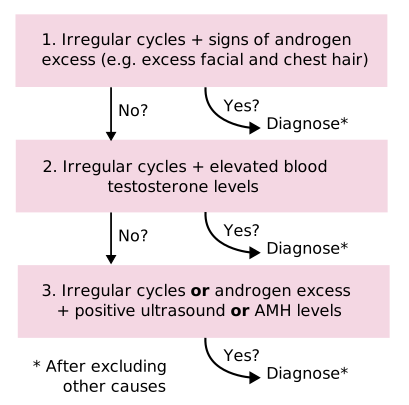
The Rotterdam criteria for diagnosing PCOS: two of three signs are enough. Illustration by Femke, Wikimedia Commons, CC BY 4.0.
Insulin and Nutrition, in Plain Terms
Here is the part that often gets skipped. Many women with PCOS have some degree of insulin resistance, which means the body has to pump out extra insulin to keep blood sugar steady. That extra insulin nudges the ovaries to make more androgens, which feeds back into the cycle problems and the skin and hair changes. It is one of the reasons blood-sugar-friendly habits tend to help across the board (NICHD, Endocrine Society).
None of this calls for a punishing diet. The gentle, sustainable moves matter more than any single rule:
- Pair carbohydrates with protein, fat, or fibre. Eating rice or bread alongside beans, eggs, fish, groundnuts, or vegetables slows the blood-sugar spike compared with the carbohydrate on its own.
- Lean on foods you already cook. You do not need imported "superfoods." Beans and lentils, leafy greens like ugu and efo, moi moi, groundnuts, fatty fish, eggs, and plenty of vegetables all fit comfortably. Culturally familiar food you will keep eating beats a trendy plan you abandon in a month.
- Move in a way you enjoy. Regular movement improves how your body handles insulin, and walking counts. Consistency matters more than intensity.
- Go easy on sugary drinks. Soft drinks and very sweet juices spike blood sugar fast, so cutting back here is one of the higher-impact swaps.
For more on how eating patterns and hormones interact, see blood sugar and hormones and weight management with a hormonal condition, which is far more forgiving than the usual advice.
Where the Pill Fits
The combined birth-control pill is one of the most common things prescribed after a PCOS diagnosis, and it is worth understanding why. It steadies your hormones, which can bring back regular monthly bleeds, calm acne, and reduce unwanted hair growth over time. For many women it makes daily life easier, and for some it protects the uterine lining when periods have gone missing for a long stretch (NHS).
So the pill is a genuine tool, not a fob-off. Two things are worth keeping in mind, though.
First, it manages symptoms rather than treating the root cause. The bleed it produces is a withdrawal bleed, not a sign that your own ovulation has returned, and the underlying insulin and androgen picture carries on in the background. That is why lifestyle habits still matter even if you take it.
Second, it is one option among several. Depending on your goals, a doctor might discuss metformin to help with insulin resistance, medicines that support ovulation if you are trying to conceive, or targeted treatments for acne or hair growth. The right mix depends on you.
To be clear, this is not a nudge to come off anything. If the pill is working for you, that is a good outcome. The point is that you deserve to know what it is doing and what the alternatives are, so any choice is yours to make with your clinician.
When to See a Doctor
Some things are worth a prompt appointment rather than waiting:
- Periods that stop for several months, or bleeding that is very heavy or unusual for you
- Signs of low mood, anxiety, or that your wellbeing is slipping, since PCOS raises the risk of both and support helps
- Rapid weight change, a lot of thirst, or frequent urination, which can point to blood-sugar problems worth checking
- Trouble conceiving after a reasonable stretch of trying, so you can get help sooner rather than later
- Any new symptom that worries you, because a quick check settles the question either way
If your periods have been irregular for a while and you want to understand the pattern first, our guide to irregular periods is a good companion, and this is a whole-body condition, so ongoing care with a clinician is part of the plan.
Speaking Up for Yourself, Especially in Africa and the Diaspora
For many African women, at home and across the diaspora in cities like Lagos, London, and Amsterdam, the hardest part is being heard. Too often the pill is handed over with little explanation, and you are left to self-manage with a name and not much else. Period problems get brushed off as normal, reproductive health carries stigma, and appointments are short. That combination means questions go unasked and plans go unexplained.
A few things that help you get more from your care:
- Track your symptoms before you go. Note your cycle length and gaps, your skin and hair changes, your energy and mood, and anything else you notice. Our guide on how to track your period walks through simple methods, and understanding your cycle gives you the map. Patterns on paper are harder to wave away.
- Ask what the plan is treating. If you leave with a prescription, ask which part of PCOS it targets and how you will know if it is working.
- Bring a clear summary to your appointment. Asele's Health Brief turns your tracked history into a tidy clinical summary, so even a rushed consultation gets the full story.
- Ask for a second opinion if you need one. If your concerns keep getting dismissed, seeking another view is looking after yourself, not being difficult.
This is one of the reasons we built Asele as a holistic women's-health app for African women: cycle and symptom tracking, phase-based nutrition, an AI assistant to talk things through, and the Health Brief for your appointments. The aim is that you never have to manage a condition like PCOS with nothing but a name.
Frequently Asked Questions
What is PCOS called now?
In 2026 a global consensus of endocrinologists renamed PCOS to polyendocrine metabolic ovarian syndrome, or PMOS, to reflect that it is a whole-body hormonal and metabolic condition rather than a disease of ovarian cysts. The PCOS name is still widely used by patients, doctors, and search engines, so both names refer to the same condition.
Can you manage PCOS without the pill?
Yes, the pill is one option among several rather than the only path. Many women manage PCOS with a mix of blood-sugar-friendly nutrition, regular movement, and, where a doctor advises, medicines like metformin or treatments aimed at ovulation, acne, or hair growth. What suits you depends on your goals and health, so the right plan is one you work out with a clinician, and no one should start or stop any medication on their own.
What should I eat with PCOS?
There is no single PCOS diet, but the pattern that tends to help keeps blood sugar steady. Pair carbohydrates with protein, healthy fat, or fibre, lean on familiar whole foods like beans, leafy greens, fish, eggs, and vegetables, and go easy on sugary drinks. Culturally familiar meals you will keep eating beat any restrictive plan you abandon, and small, consistent changes matter more than perfection.
Does having PCOS mean I cannot get pregnant?
No. PCOS is a common and treatable cause of difficulty conceiving, not a verdict against pregnancy. It disrupts ovulation, which can make conception take longer, but many women with PCOS conceive, with or without treatment. If you are trying and it is taking a while, speak to a clinician early so you can get the right support sooner.
References
- World Health Organization. "Polycystic ovary syndrome." who.int
- American College of Obstetricians and Gynecologists. "Polycystic Ovary Syndrome (PCOS)." acog.org
- Eunice Kennedy Shriver National Institute of Child Health and Human Development (NICHD). "Polycystic Ovary Syndrome (PCOS)." nichd.nih.gov
- Endocrine Society. "Polycystic Ovary Syndrome (PCOS)." endocrine.org
- NHS. "Polycystic ovary syndrome (PCOS): Treatment." nhs.uk
- MedlinePlus (US National Library of Medicine). "Polycystic Ovary Syndrome." medlineplus.gov
- Office on Women's Health, US Department of Health and Human Services. "Polycystic ovary syndrome." womenshealth.gov
- Barrea L, et al. "Source of insulin resistance and dietary approaches in PCOS." Nutrients, via PMC. ncbi.nlm.nih.gov
- Endocrine Society. "Polyendocrine Metabolic Ovarian Syndrome: New name to improve diagnosis and care." 2026. endocrine.org
- Scientific American. "PCOS Just Got a New Name. Here's What to Know." 2026. scientificamerican.com
Image credits
- PCOS mechanism and diagnosis illustrations: Femke, CC BY 4.0, via Wikimedia Commons (mechanism, diagnosis).
Related posts on Asele:
← Back to The Journal