Women's Health Is More Than Fertility
For too long, women's health has been treated as a story that begins and ends with fertility. Your body is a whole system across a whole life, and it deserves attention long before, and long after, the question of having children.
TL;DR: Women's health has been narrowed down to fertility, which leaves the rest of a woman's body and a woman's life out of the conversation. Whole-life health means your cycle and hormones, your metabolic and heart health, your mind, your bones, menopause, pain conditions like endometriosis, and the screenings that catch problems early. The money follows the same narrow story: femtech funding concentrates in fertility, while the areas that carry women through the whole lifespan draw the smallest rounds. Asele exists because understanding your body should not wait for the moment you are trying to conceive.
Ask most people what "women's health" means and the answer arrives quickly: having babies. Fertility, pregnancy, and the machinery around them. It is the version of women's health that gets the clinics, the apps, the funding, and the headlines.
It is also a small slice of a much larger picture. A woman spends only a fraction of her life trying to conceive, if she tries at all. The rest of it, the decades of cycles, hormones, moods, sleep, energy, bones, heart, and mind, still needs care. When health is defined by fertility alone, everything outside that window becomes invisible. Symptoms get normalised, questions go unasked, and the body is treated as interesting only when it is producing, or failing to produce, a pregnancy.
This is Asele's thesis, so we want to say it plainly. Women's health is the health of a whole person across a whole life. Fertility is one chapter, not the whole book.
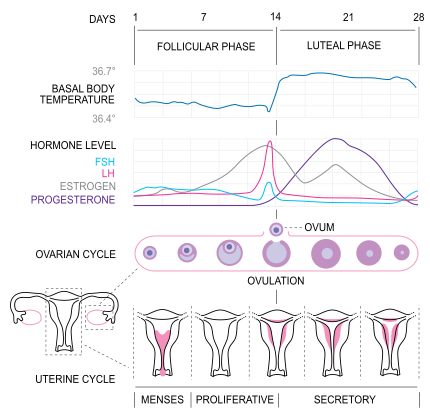
Hormones touch far more than reproduction: the same monthly cycle shapes mood, sleep, energy, and metabolism. Illustration by Isometrik, CC BY-SA 3.0, via Wikimedia Commons.
How Women's Health Got Reduced to Fertility
Part of it is history. For most of modern medicine, women were studied through the narrow lens of reproduction, and often left out of research entirely. Clinical trials were built around male bodies, on the assumption that a woman was a smaller man with a menstrual cycle attached. A systematic review of sex inequalities in medical research found that women remain underrepresented across many areas of study, which leaves gaps in the evidence that guides everyday care.
The consequences show up in the clinic. A narrative review of gender bias and diagnostic delays describes how women wait longer for answers on conditions from autoimmune disease to heart problems, and how their symptoms are more often filed under stress or anxiety. One large study cited in that literature found women were diagnosed roughly two years later than men for the same range of conditions. When the body outside of reproduction is under-studied, it is also under-recognised.
The money tells the same story. In femtech, the sector built to serve women's health, capital pools around fertility. Reproductive and fertility businesses raise the largest rounds, while menopause, hormonal and metabolic health, and preventive care sit in what one industry analysis calls the newest and fastest-growing layer, drawing plenty of interest but still the smallest cheques (Dealroom). The pattern is not a conspiracy. It is what happens when everyone inherits the same narrow definition of what women's health is for.
What Holistic Women's Health Looks Like
Holistic women's health means treating the body as one connected system, and following it across the whole lifespan rather than only through the fertile years. The World Health Organization frames women's health this way too, as something shaped by biology and by the social conditions of a woman's whole life, not by reproduction alone.
Here is what that wider picture includes.
Cycle and hormonal health. Your menstrual cycle is a monthly report on your health, not only a countdown to fertility. It shifts your mood, sleep, energy, and appetite, because the same hormones act all over the body. Learning to read it is one of the most useful forms of body literacy there is. Start with understanding your cycle and how hormones work as your body's chemical messengers.
Metabolic health. Blood sugar, insulin, and weight are tangled up with hormones in ways that matter far beyond fertility. This is the terrain of PCOS, and it carries long-term risks like type 2 diabetes that deserve attention in their own right, not only when someone is trying to conceive.
Mental health. Anxiety and depression are more common in women, and they interact with the hormonal shifts of the cycle, pregnancy, and menopause. Treating the mind as part of women's health, rather than a separate department, is overdue. See our guide to anxiety and depression in women.
Pain conditions. Endometriosis is a clear example of what the fertility lens misses. It is talked about mainly as a cause of infertility, yet its defining feature is pain that can dominate a woman's daily life for years before anyone mentions pregnancy.
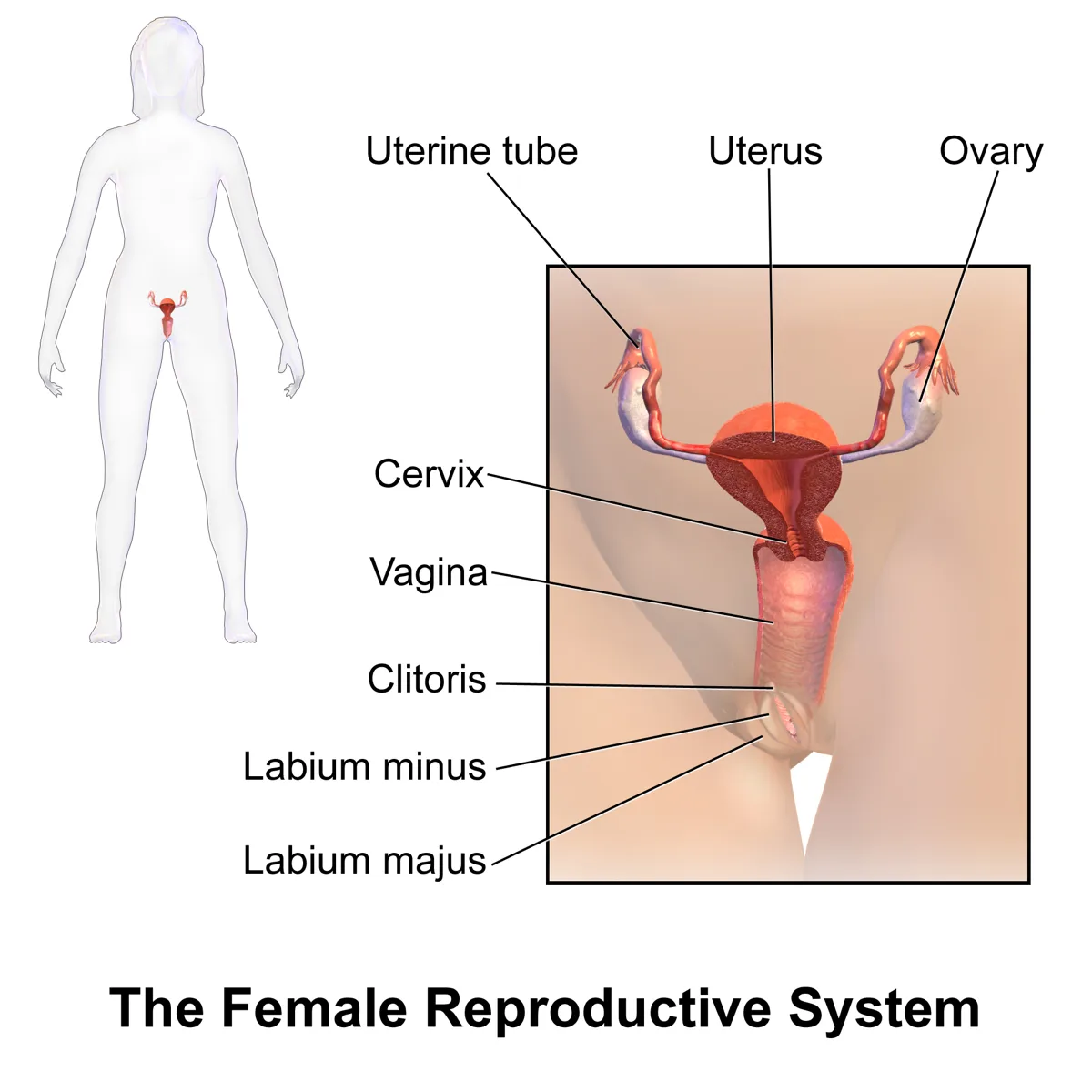
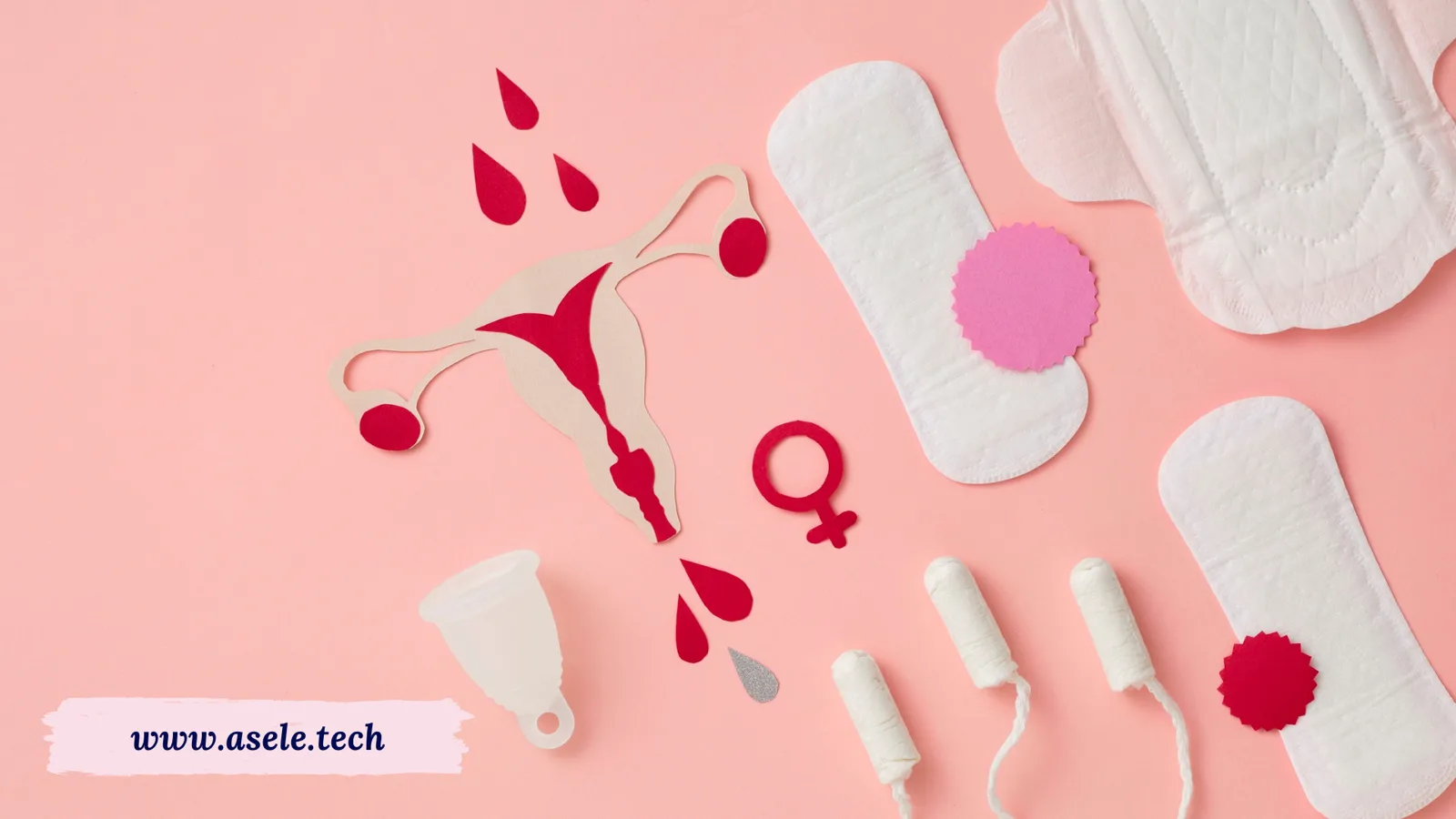
The reproductive organs are part of the whole-body system, not a separate one. Conditions here affect pain, hormones, and daily life well beyond fertility. Illustration by Blausen Medical (BruceBlaus), CC BY 3.0, via Wikimedia Commons.
Menopause. Roughly a third of a woman's life can come after her periods stop, yet menopause is one of the most neglected chapters of care. It touches sleep, mood, bone strength, and heart health, and it deserves informed support rather than silence. Our guide walks through thriving through midlife changes.
Heart health. Cardiovascular disease is a leading cause of death in women, and its warning signs often differ from the textbook male symptoms, which is one reason it gets missed. Heart health belongs squarely inside women's health, not outside it.
Preventive screening. Cervical screening, breast checks, blood pressure, bone density, and blood sugar are the quiet backbone of staying well. They catch problems while they are still small. Our women's health screening checklist lays out what to ask for and when.
None of these wait for a woman to want a baby. All of them shape how she feels, day to day, for decades.
Why the Reframe Matters, Especially for African Women
For African women, the narrow definition lands harder. Reproductive health carries stigma, period pain is waved away as ordinary, and specialist care can be distant and expensive. When the only sanctioned reason to see a doctor is pregnancy, everything else, the exhausting periods, the mood that will not lift, the symptoms that do not fit a neat box, gets carried quietly and alone.
There is also a language gap. Health information tends to arrive in English or French, written for a Western reader, and shaped around the same fertility-first assumptions. Body literacy, meaning the plain understanding of what is happening inside you and why, is not a luxury. It is what lets a woman notice when something is off, name it, and ask for the right help.
The reframe is not about turning away from fertility. Fertility care matters, and for many women it is deeply wanted. The point is that a woman is worth caring for on the days she is not thinking about children at all, which is most days of most lives.
Where Asele Fits
Asele was built for the whole picture rather than a single chapter of it. It is a holistic women's-health app for African women, used across Lagos, London, and Amsterdam, and it is shaped around the idea that understanding your body is a lifelong practice.
That looks like cycle and symptom tracking that treats your period as a health signal, phase-based nutrition that works with your hormones instead of against them, and an AI health assistant that answers questions in six languages, so the information meets you where you are. It looks like preventive screening reminders that keep the quiet, protective checks from slipping, and a Health Brief you can bring to an appointment so a rushed consultation still gets the full story.
The through line is body literacy across a whole life. Not health as a countdown to conception, but health as knowing yourself.
Is women's health only about reproduction?
No. Reproduction is one part of women's health, and for many women it occupies only a short window of a long life. Whole-life women's health also includes cycle and hormonal health, metabolic and heart health, mental health, bone strength, menopause, pain conditions like endometriosis, and the preventive screenings that catch problems early. A woman's body needs care throughout her lifespan, not only when she is trying to conceive.
What is holistic women's health?
Holistic women's health means treating the body as one connected system and following it across the whole lifespan. It looks at how hormones, metabolism, mental health, the heart, and reproductive organs influence one another, rather than treating each in isolation or focusing only on fertility. In practice it means paying attention to cycles, mood, sleep, energy, and long-term risks, and using preventive care to stay well over decades.
Why is women's health research and funding still so narrow?
Historically, women were underrepresented in clinical research, and reproduction was treated as the main lens for studying their health, which left gaps in the evidence for conditions outside fertility. Funding follows the same pattern: in femtech, fertility and reproductive businesses raise the largest rounds, while menopause, hormonal, and preventive care draw smaller ones. The result is that whole-life women's health remains comparatively understudied and underfunded.
Women's Health Is a Whole-Life Story
Women's health is not a nine-month event. It is a lifelong relationship with your own body, through cycles and hormones, energy and mood, the heart, the mind, and the long chapters that come after fertility is no longer the question. Reducing all of that to reproduction leaves most of a woman's life uncared for.
The fix begins with a wider definition and a little more understanding. When a woman knows how her body works, she can notice what is off, ask better questions, and expect care that treats her as a whole person. That is the health Asele is built for, and it is the health every woman deserves.
References
- World Health Organization. "Women's health." who.int
- Merz, N., et al. "Gender Bias and Diagnostic Delays in Young Women: A Narrative Review." PMC. ncbi.nlm.nih.gov
- "Sex Inequalities in Medical Research: A Systematic Scoping Review of the Literature." PMC. ncbi.nlm.nih.gov
- Dealroom. "Femtech, Dealroom Deep Dive." dealroom.co
- American College of Obstetricians and Gynecologists. "The Well-Woman Visit." acog.org
- Endocrine Society. "Menopause." endocrine.org
- World Health Organization. "Cardiovascular diseases (CVDs)." who.int
- World Health Organization. "Mental disorders." who.int
Image credits
- Menstrual cycle diagram: Isometrik, CC BY-SA 3.0, via Wikimedia Commons (file).
- Female reproductive system illustration: Blausen Medical (BruceBlaus), from "Medical gallery of Blausen Medical 2014," WikiJournal of Medicine, CC BY 3.0, via Wikimedia Commons (file).
Related posts on Asele:
← Back to The Journal