When Women Know Their Bodies, Everything Changes | International Women's Day 2026
An International Women's Day reflection on why body literacy changes everything.
I failed a maths exam because of my period. And I never forgot about it, as you can see. hehehe.
I was in secondary school, sitting at the back of the room in a cluster of boys, two in front of me, one right beside me, and as soon as the exam paper hit my desk, a pain that was a one about five minutes earlier became a ten. Very fast. I knew it was my period. I could feel it.
But I was too shy to say anything to anyone around me, so I just sat there and guessed at algebra and hoped for the best.
My teacher handed the papers back a few days later, and he was pissed. "It looks as if you were guessing," he said. I was, I told him. Because I was sick.
That was the turning point. After that, I started tracking my period, not for any wellness reason, but because I needed to know: do I have something important coming up? Could I be in pain that day? And if the answer is yes, what's my plan? I literally structured parts of my life around trying to stay ahead of it. And it's what eventually led me to build Asele.
So, what even is Asele?
The idea started from a frustration I had with existing period apps. They'd tell you: you're on your period, you might feel crampy and low-energy. Which is useful.
But then what? What do I eat? What kind of workout makes sense today, if any? Is this level of pain something I should be worried about, or is this just how it is? I needed answers to the "so what."
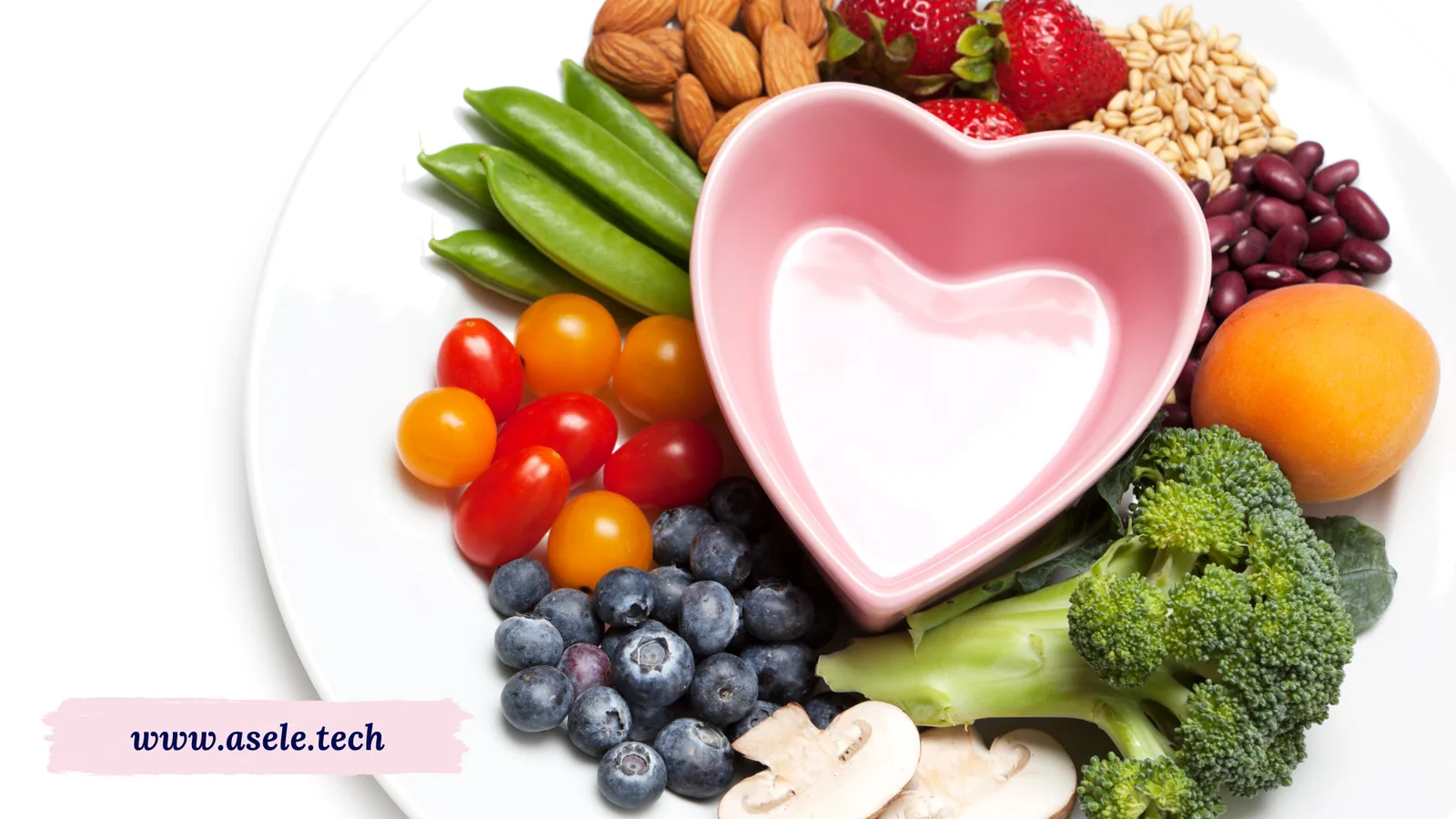
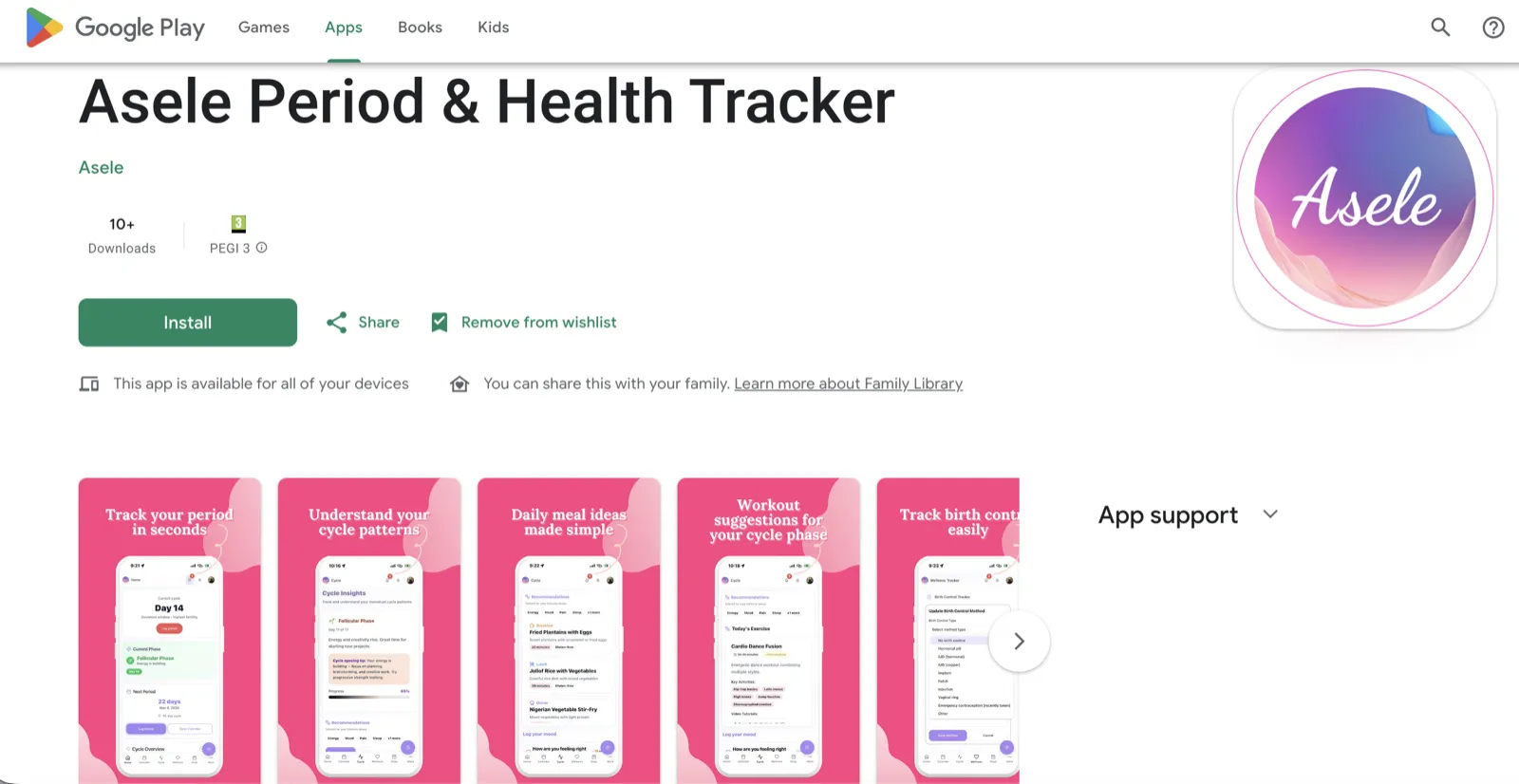
That's what Asele is trying to do, not just tell you what you might be feeling, but actually help you do something about it. Nutrition recommendations to help replenish nutrients and manage energy. Movement suggestions that make sense for where you are in your cycle. And if you log symptoms that seem off, the app flags them and prompts you to talk to a doctor.
And I want to say this clearly because I know not every woman tracks her period, and that's genuinely okay; Asele isn't only useful if you're into cycle tracking. You can use it for meal ideas, workout recommendations, and preventive care guidance. There's something in it for you regardless.

On this year's themes
Okay, so this year there are technically two IWD themes floating around, which caused a lot of confusion on my end. The IWD website is going with Give to Gain, and the UN is saying Rights. Justice. Action. For ALL Women and Girls. Both are valid, and both feel relevant to what we're building.
On the give to gain side: I genuinely believe that when women have access to better information, about their bodies, their finances, their options, everyone gains. At Asele, we've hosted sessions on investing and buying stocks, given out DataCamp scholarships to our community members, and offered access to the WomenTech Network conference. Educated, financially empowered women make better decisions for themselves and the people around them.
On the Rights. Justice. Action. For ALL Women and Girls side: I believe women have the right to go about their day, do good work, take care of their families, and feel safe. I believe all girls and women deserve to be seen as people and not property.
Building something you also have to think carefully about
One thing I didn't expect when building Asele was how much it would make me think about harm alongside benefit. A question I come back to with almost every feature now is: can this be used against someone? And it's not paranoia, it's just the reality we're living in.
Women in some parts of the world are genuinely afraid to use period tracking apps because that data could be weaponised against them. So we've built with that in mind. Your data in Asele is encrypted and only visible to you. We removed the mandatory name field, you can sign up with a nickname, a burner email, whatever makes you feel safe. The only part of the app that isn't fully private is the community section, because it's a shared space by design. Everything else is yours alone.
A small, bootstrapped team and an app that's actually live
I started building this for myself, the girl in the back row, guessing at algebra, in too much pain to think straight. Somewhere along the way, it became something I'm building for other women, too.
We are a small team. We are bootstrapped. And we shipped an app within a year. It's live on Google Play right now, and our iOS submission is in.
If you try Asele and there's something you want that isn't there yet, please tell us. We're building this alongside you, not just for you.
Happy International Women's Day! 💜
Asele is available now on Google Play. iOS coming very soon.
← Back to The Journal