Contraception Methods Compared: Which One Is Right for You?
A clear comparison of contraception methods to help you choose what fits your body and life.
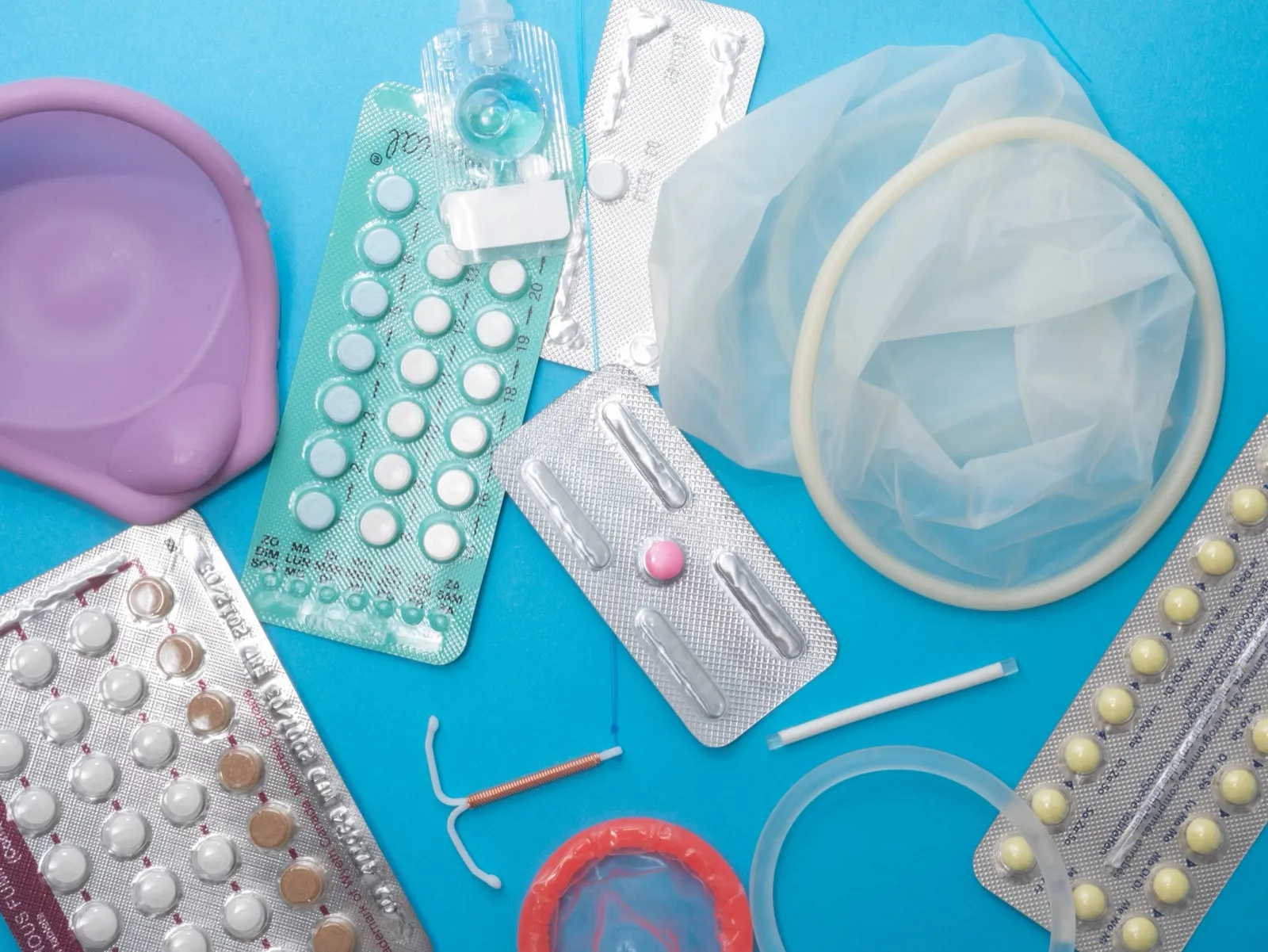
Choosing a birth control method can feel overwhelming. There are pills, patches, injections, implants, IUDs, condoms, the list goes on. And each option comes with its own set of pros, cons, and side effects.
This guide breaks down the most common contraceptive methods so you can have an informed conversation with your healthcare provider about what's right for you.
The short version
There's no single "best" contraceptive; it depends on your body, your lifestyle, and your plans. IUDs and implants are the most effective (99%+), the pill works well if taken consistently, and condoms are the only method that also protects against STIs.
Effectiveness at a glance (typical use)
- Hormonal IUD, 99%+, lasts 3–8 years, no STI protection
- Copper IUD, 99%+, lasts up to 10 years, no STI protection
- Implant, 99%+, lasts 3–5 years, no STI protection
- Injectable (Depo-Provera), 94%, every 3 months, no STI protection
- Combined pill, 91%, daily, no STI protection
- Mini-pill (progestin only), 91%, daily, no STI protection
- Patch, 91%, weekly, no STI protection
- Vaginal ring, 91%, monthly, no STI protection
- Male condom, 82%, single use, protects against STIs
- Female condom, 79%, single use, protects against STIs
Effectiveness rates reflect typical use, meaning how well the method works in real life (including occasional mistakes like missing a pill).
Long-acting methods (set it and forget it)
The Hormonal IUD
A small, T-shaped plastic device placed inside your uterus by a healthcare provider. It releases a small amount of progestin.
Pros: extremely effective (over 99%); lasts 3 to 8 years; often makes periods lighter and less painful; nothing to remember daily.
Cons: insertion can be uncomfortable; some spotting in the first few months; requires a provider for insertion and removal; no STI protection.
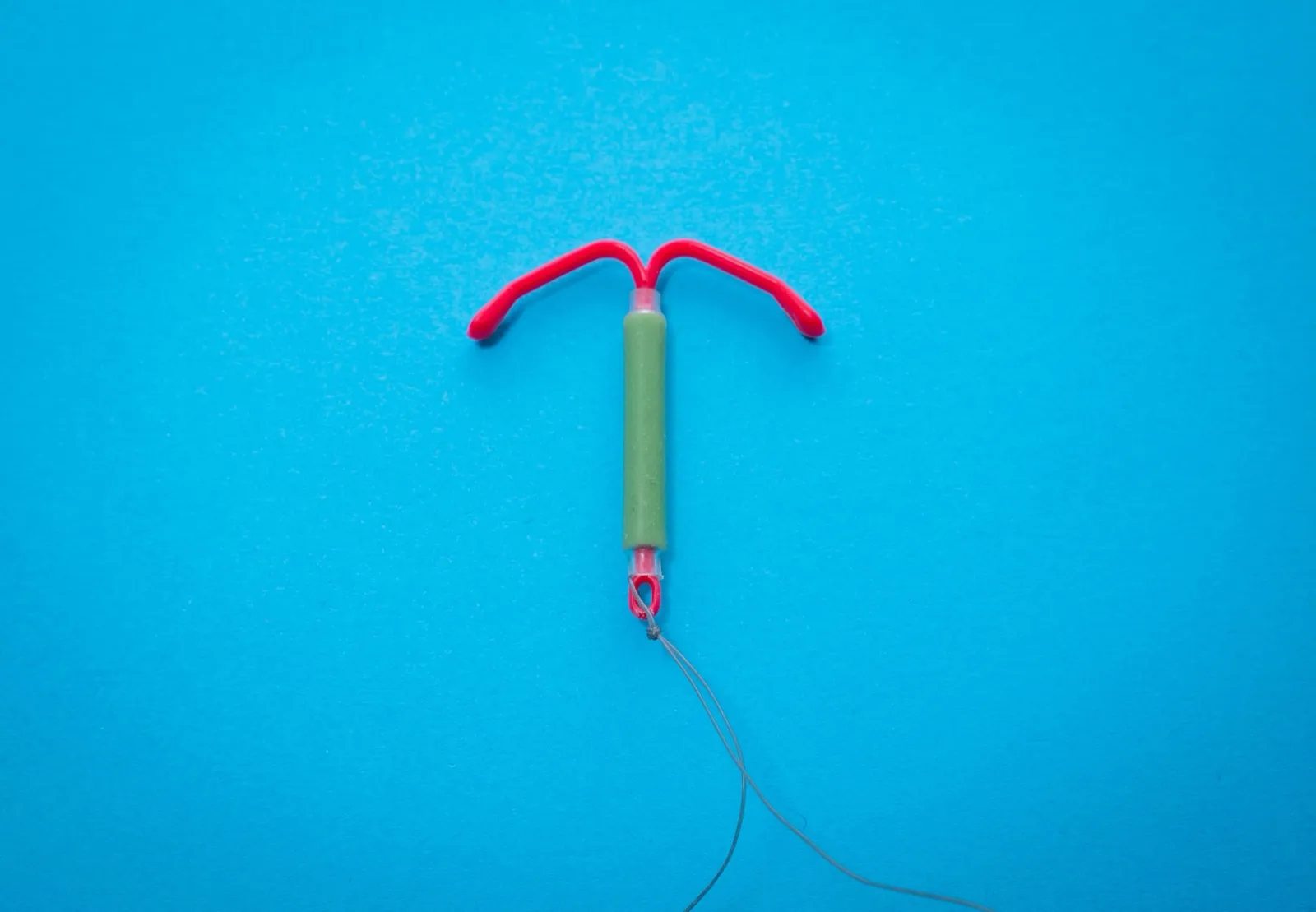
The Copper IUD
Similar in shape, but uses copper instead of hormones. The copper creates an environment that's toxic to sperm.
Pros: hormone-free; lasts up to 10 years; can be used as emergency contraception if inserted within 5 days.
Cons: may cause heavier, longer, or more painful periods; insertion can be painful; use is very low in Sub-Saharan Africa (under 2% in most countries), partly due to limited availability and provider training.

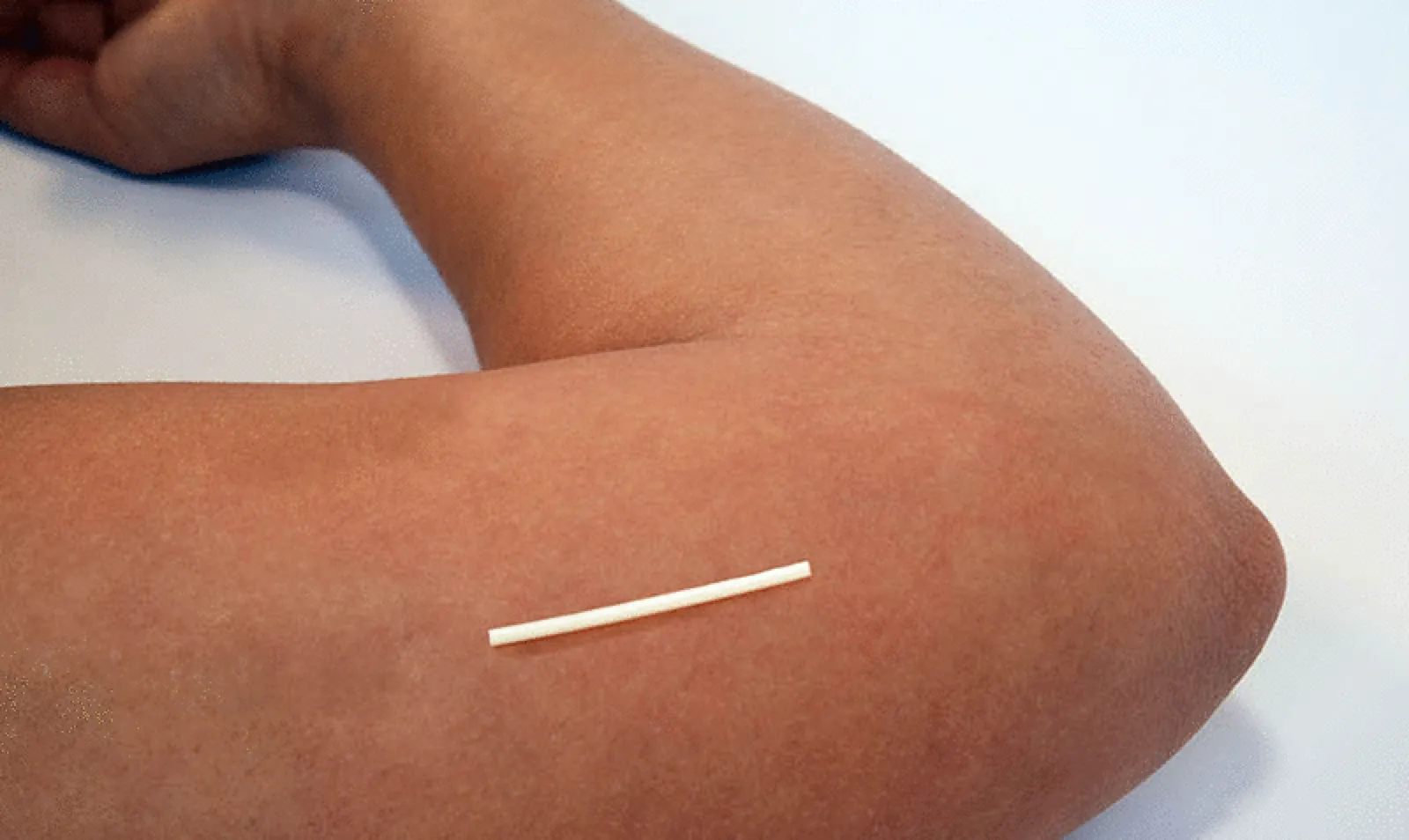
The Contraceptive Implant
A small, flexible rod inserted under the skin of your upper arm. It releases progestin.
Pros: over 99% effective; lasts 3 to 5 years; nothing to remember daily; quickly reversible.
Cons: irregular bleeding is common in the first 6 to 12 months; some women stop having periods; may cause headaches or breast tenderness.
Short-acting hormonal methods
The Combined Pill
Contains both estrogen and progestin. Taken at the same time every day.
Pros: can regulate periods, reduce cramps, and improve acne; you can stop anytime; reduces the risk of ovarian and endometrial cancer.
Cons: must be taken consistently; side effects can include nausea, breast tenderness, headaches, mood changes; slightly increases blood-clot risk, especially in smokers or women over 35.
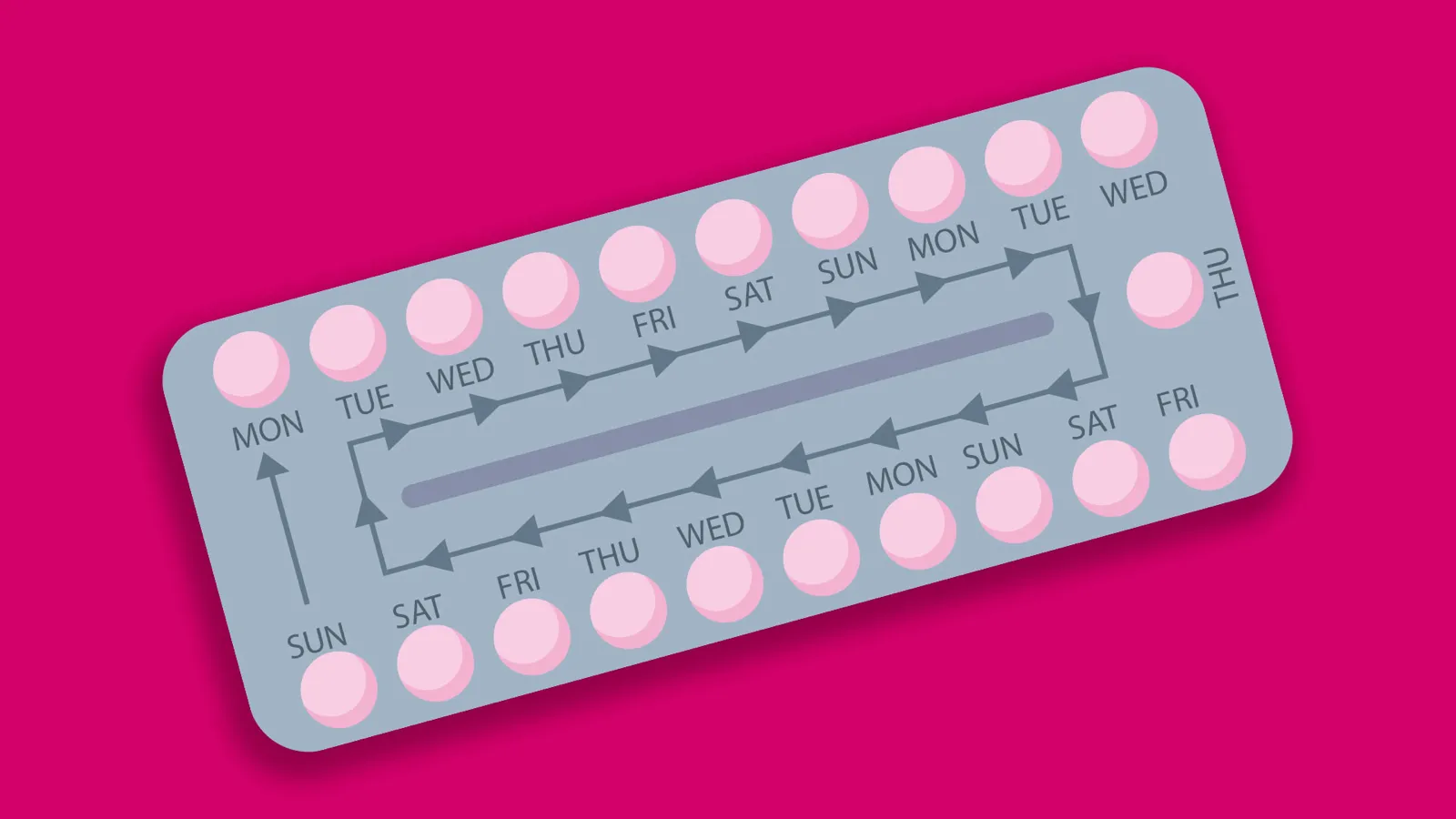
The Progestin-Only Pill (Mini-Pill)
Contains only progestin, no estrogen.
Pros: usable by women who can't take estrogen (including breastfeeding mothers); fewer cardiovascular risks.
Cons: must be taken at the same time every day, even a 3-hour delay can reduce effectiveness; more likely to cause irregular bleeding.
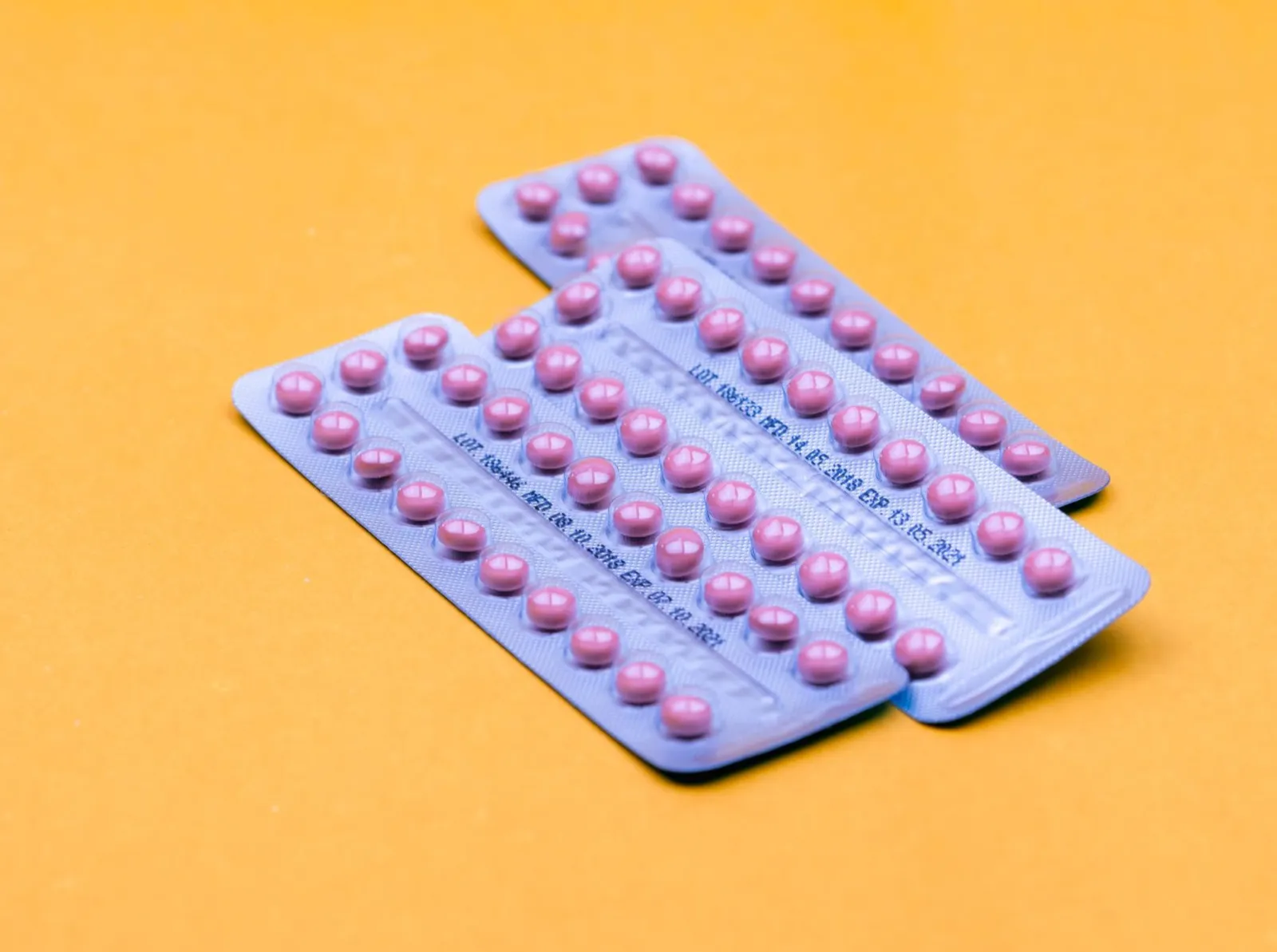
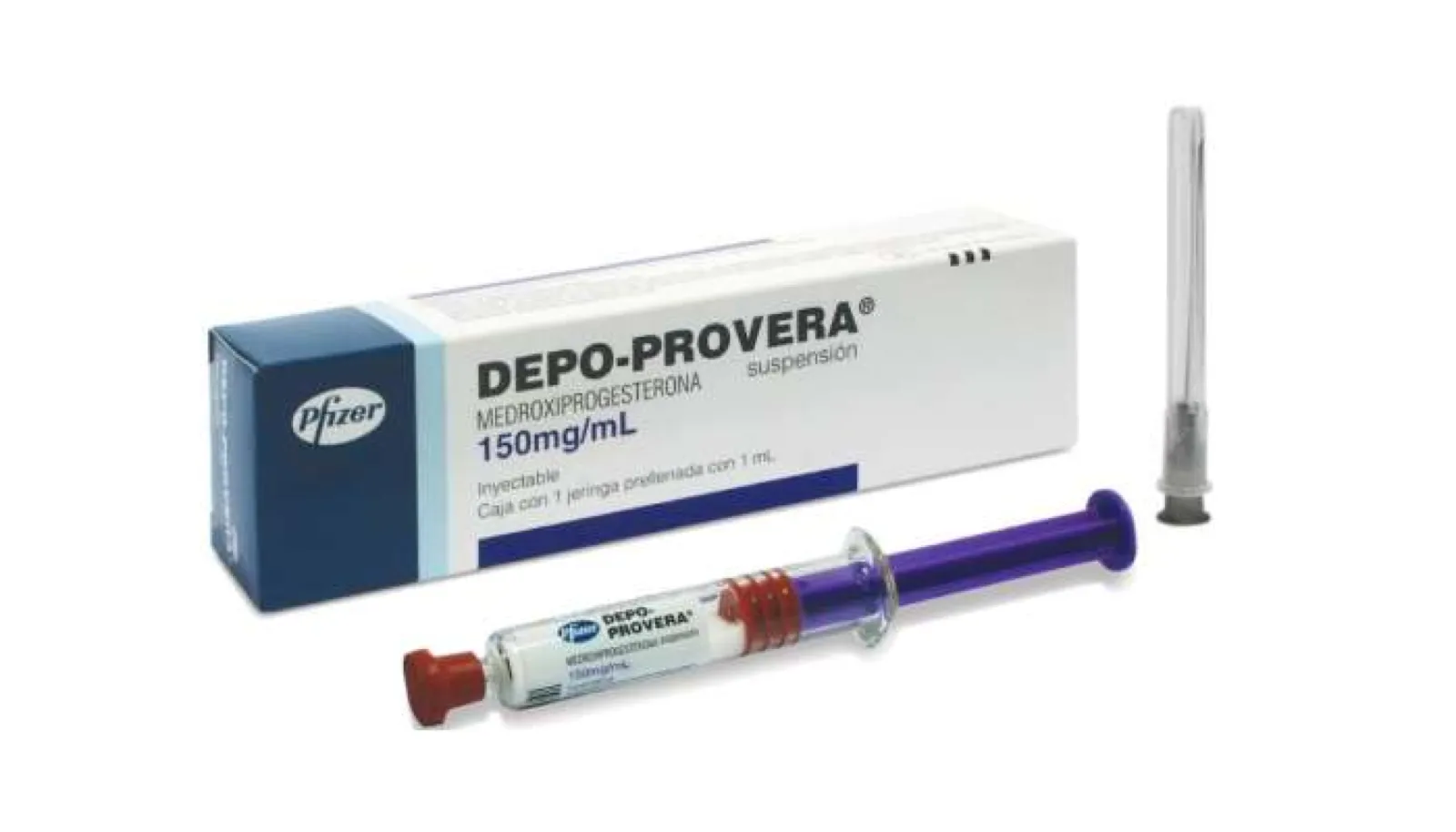
The Injectable (Depo-Provera)
A progestin injection given every 3 months.
Pros: only needed every 12 weeks; very popular across Africa due to accessibility; can reduce period pain and heavy bleeding.
Cons: may cause weight gain; fertility can take 6 to 12 months to return; may reduce bone density with long-term use; cannot be reversed once injected.
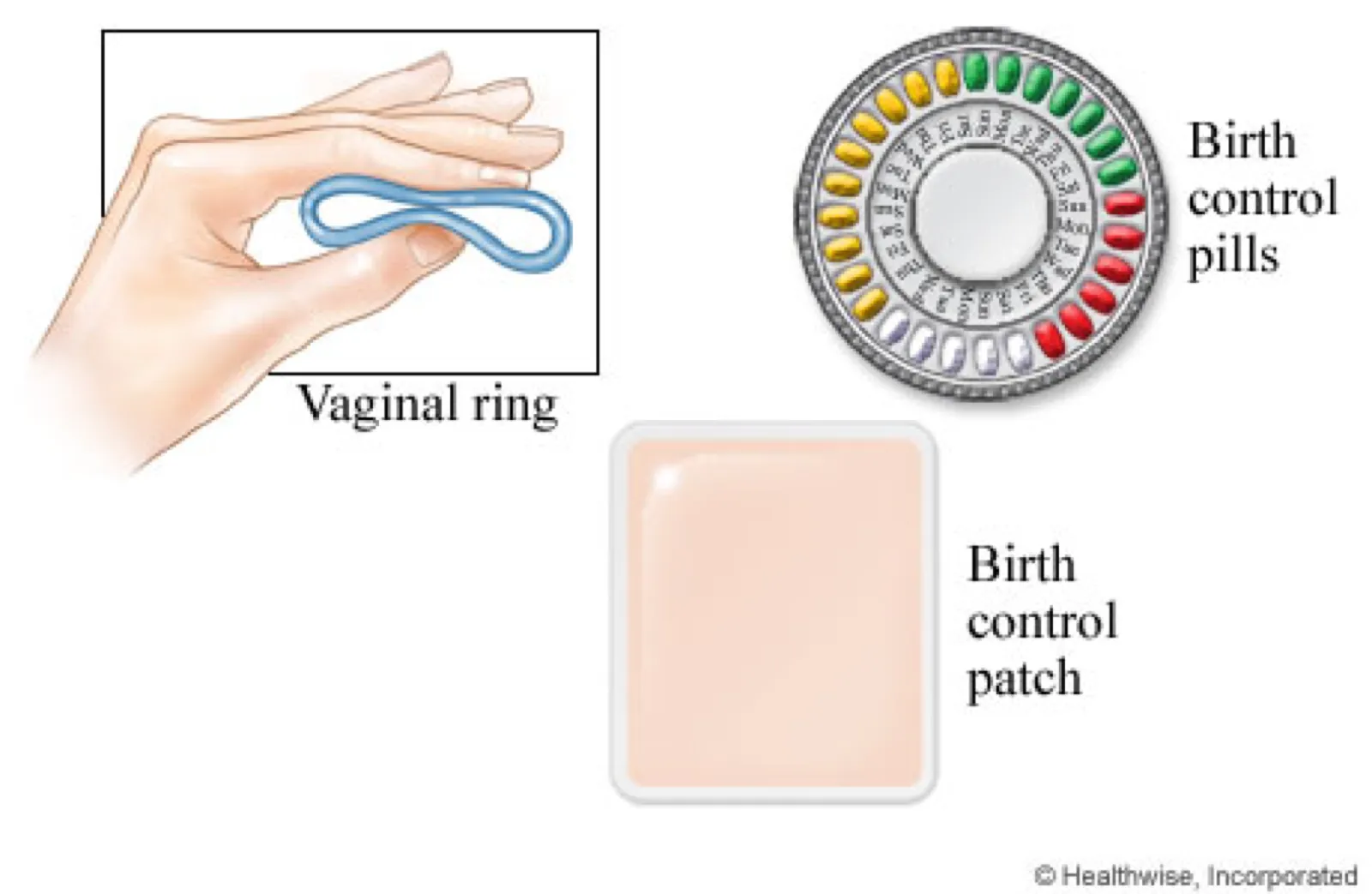
The Patch and the Vaginal Ring
The patch is worn on the skin and changed weekly. The vaginal ring is inserted and replaced monthly. Both release estrogen and progestin. Less daily effort than the pill, with similar benefits, though the patch may irritate skin, the ring may cause discomfort, and both have limited availability in many African countries.
Barrier methods
Male Condoms
The only method (besides female condoms) that protects against both pregnancy and STIs, including HIV. Widely available, affordable, no prescription, no hormonal side effects. Must be used correctly every time; can break or slip; some latex allergies (non-latex options exist).
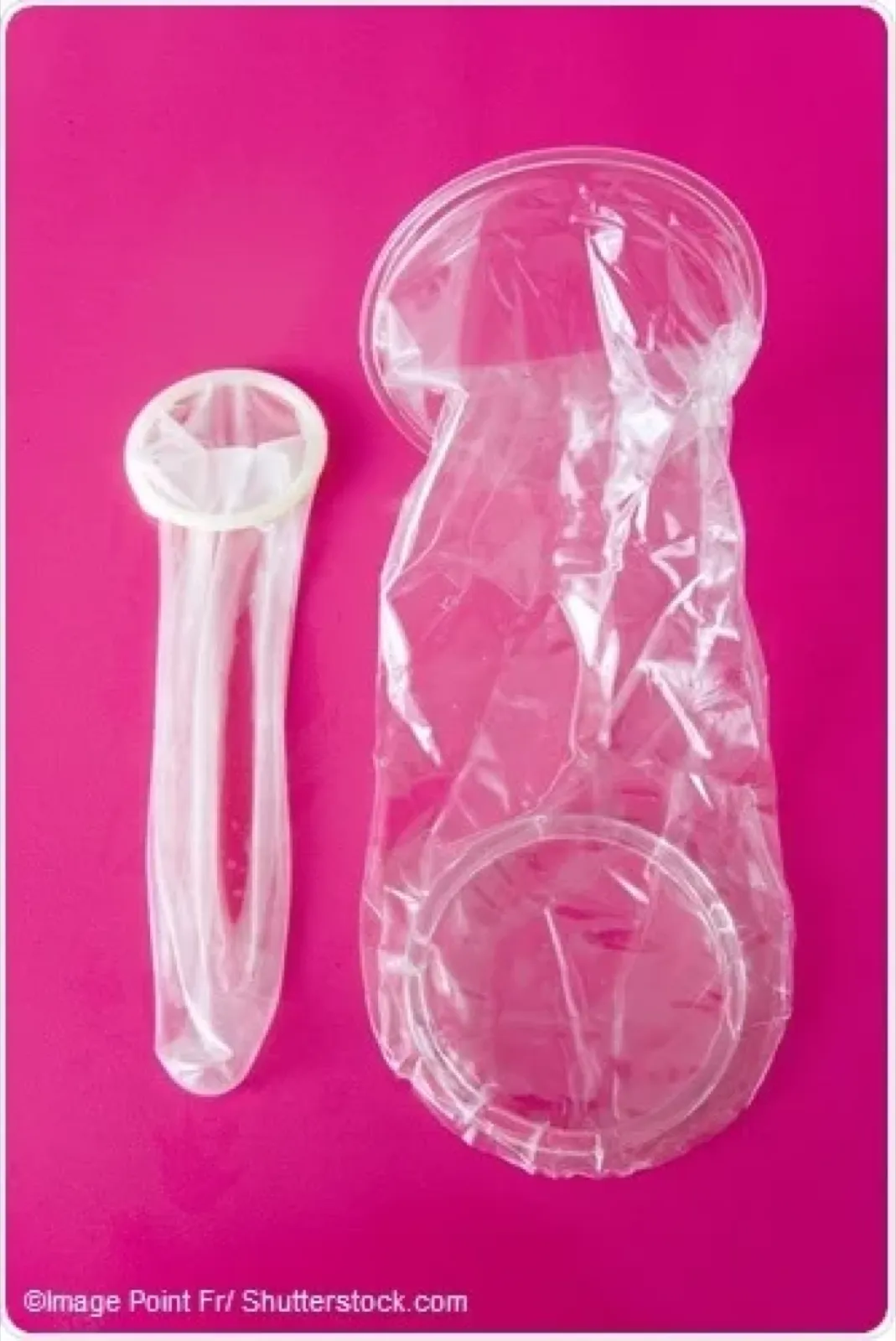
Female Condoms
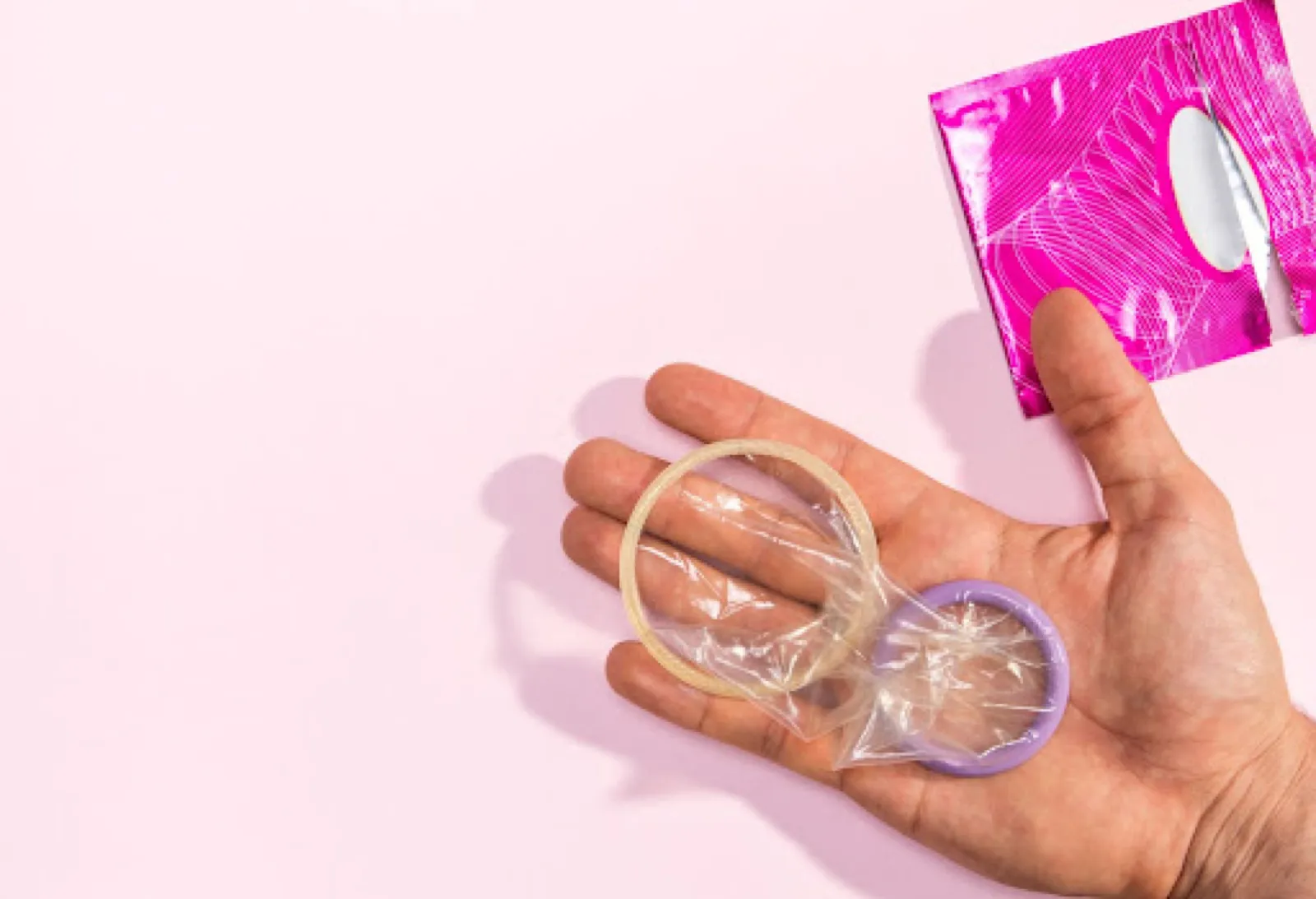
Woman-controlled, protect against STIs, and can be inserted up to 8 hours before sex. Less widely available, take practice to use correctly, and slightly less effective than male condoms.
Emergency contraception
Emergency contraception (the "morning-after pill") is not a regular method, but it's important to know about. Options include the levonorgestrel pill (Plan B), most effective within 72 hours; ulipristal acetate (ella), effective up to 5 days after; and the copper IUD, the most effective option if inserted within 5 days.
Emergency contraception is not an abortion pill. It prevents pregnancy from occurring, it does not end an existing pregnancy.
How to choose
- Long-term or short-term? If you don't want to think about it daily, an IUD or implant may be ideal.
- Do you need STI protection? If yes, condoms should be part of your plan.
- Do you want to avoid hormones? The copper IUD and condoms are your hormone-free options.
- Planning to get pregnant soon? The pill, patch, ring, condom, and implant allow a quick return to fertility. The injectable may take longer.
- Any health conditions? Certain methods aren't recommended for specific conditions. Always discuss your history with your provider.
Contraception access in Africa
Access varies widely. Injectables are the most commonly used method in many Sub-Saharan African countries, partly because community health workers can administer them. Implant use is growing rapidly in Kenya, Senegal, and Ghana. Barriers remain, cost, provider shortages, stigma, and misinformation. If you're struggling to access contraception, local family planning clinics can help.
The bottom line
There is no single "best" contraceptive. The best method is the one that fits your body, your life, and your goals. Talk to a healthcare provider, ask questions, and don't settle for a method that makes you feel bad. You have options.
← Back to The Journal