Anaemia in Pregnancy: Signs, Food and Treatment
Anaemia is common in pregnancy and treatable when it is caught. Here are the signs, the WHO haemoglobin thresholds, iron-rich West African food that is safe in pregnancy, how to take iron tablets, and why malaria matters.
TL;DR: Anaemia means your blood carries less oxygen than it should, and it affects about 37 percent of pregnant women worldwide. A simple blood test finds it. The WHO threshold is a haemoglobin below 110 g/L in the first and third trimesters and below 105 g/L in the second. Iron-rich food helps, but tablets are often needed. Liver is the one iron-rich food to avoid in pregnancy. In malaria areas, preventing malaria is part of preventing anaemia.
You expected to be tired in pregnancy. But there is a difference between ordinary tiredness and being out of breath on the stairs, dizzy when you stand, or feeling your heart race for no reason. Those can be signs that your iron and haemoglobin are low, and they are worth a blood test rather than another cup of tea and a brave face.
We cover the general picture in iron deficiency anaemia in women and everything else on your plate in our pregnancy nutrition guide. Here we look at what changes when you are pregnant. You will find more on staying well through each trimester in our pregnancy guide.
What is anaemia in pregnancy?
Anaemia means you have too little haemoglobin, the part of your red blood cells that carries oxygen. The WHO estimates it affected about 37 percent of pregnant women worldwide in 2019. Iron deficiency is the most common nutritional cause, and blood volume rises in pregnancy, which adds to the demand.
The burden is heavy across the continent. In Ghana, for example, the 2022 Demographic and Health Survey put anaemia among pregnant women at 51 percent. In low and lower-middle income countries, the WHO names malaria and iron deficiency as the most commonly recognised causes. Low levels of folate, vitamin B12 and vitamin A can contribute too.
The signs to look out for
Common symptoms include tiredness, dizziness, headaches, cold hands and feet, and breathlessness when you exert yourself. An NHS leaflet on anaemia in pregnancy adds a fast heartbeat, weakness, chest pain and irritability.
Because many of these overlap with normal pregnancy, you cannot diagnose anaemia by how you feel. The blood test is what tells you. Do mention these symptoms though, so your midwife or doctor can check sooner.
Why treating anaemia matters
The WHO links anaemia in pregnancy with premature birth, low birth weight and maternal death. Heavy blood loss during or after childbirth is another common route to anaemia, so it helps to go into birth with your levels as healthy as you can get them. The good news is that anaemia is preventable and treatable, and there is usually time to fix it if it is found early.
When should I be tested?
Ask at your first antenatal visit and again around 28 weeks. In the UK, one NHS trust screens at booking and at 28 weeks, with some women also checked at 34 to 36 weeks. If your clinic in Lagos, Nairobi, Accra or elsewhere does not offer it routinely, ask for a full blood count and ask for the number, not just "it is fine".
WHO haemoglobin thresholds in pregnancy
In 2024 the WHO published updated haemoglobin cutoffs. Your haemoglobin may be reported in g/L or in g/dL: 110 g/L is the same as 11 g/dL.
| Trimester | No anaemia | Mild | Moderate | Severe |
|---|---|---|---|---|
| First (g/L) | 110 or above | 100 to 109 | 70 to 99 | Below 70 |
| Second (g/L) | 105 or above | 95 to 104 | 70 to 94 | Below 70 |
| Third (g/L) | 110 or above | 100 to 109 | 70 to 99 | Below 70 |
The second trimester cutoff is lower than the others. Local labs and guidelines can use slightly different ranges, so ask your clinician what your own number means.
How malaria makes anaemia worse
If you live in or travel to a malaria area, this is the link to take seriously. The Royal College of Obstetricians and Gynaecologists says that after recovering from it you are more likely to be anaemic. Severe malaria can cause severe anaemia, and a transfusion may be offered.
So prevention is part of anaemia care: sleep under a treated net and take your preventive malaria doses from the second trimester. Our post on malaria in pregnancy explains IPTp-SP step by step. The WHO also advises seeking prompt treatment if you suspect malaria. Iron and folic acid are still recommended in malaria-endemic settings.
Hookworm is another cause in some places. The WHO recommends deworming after the first trimester in areas where worm infections and anaemia in pregnancy are both common, so ask your clinic if this applies where you live.
Iron-rich food, with West African options
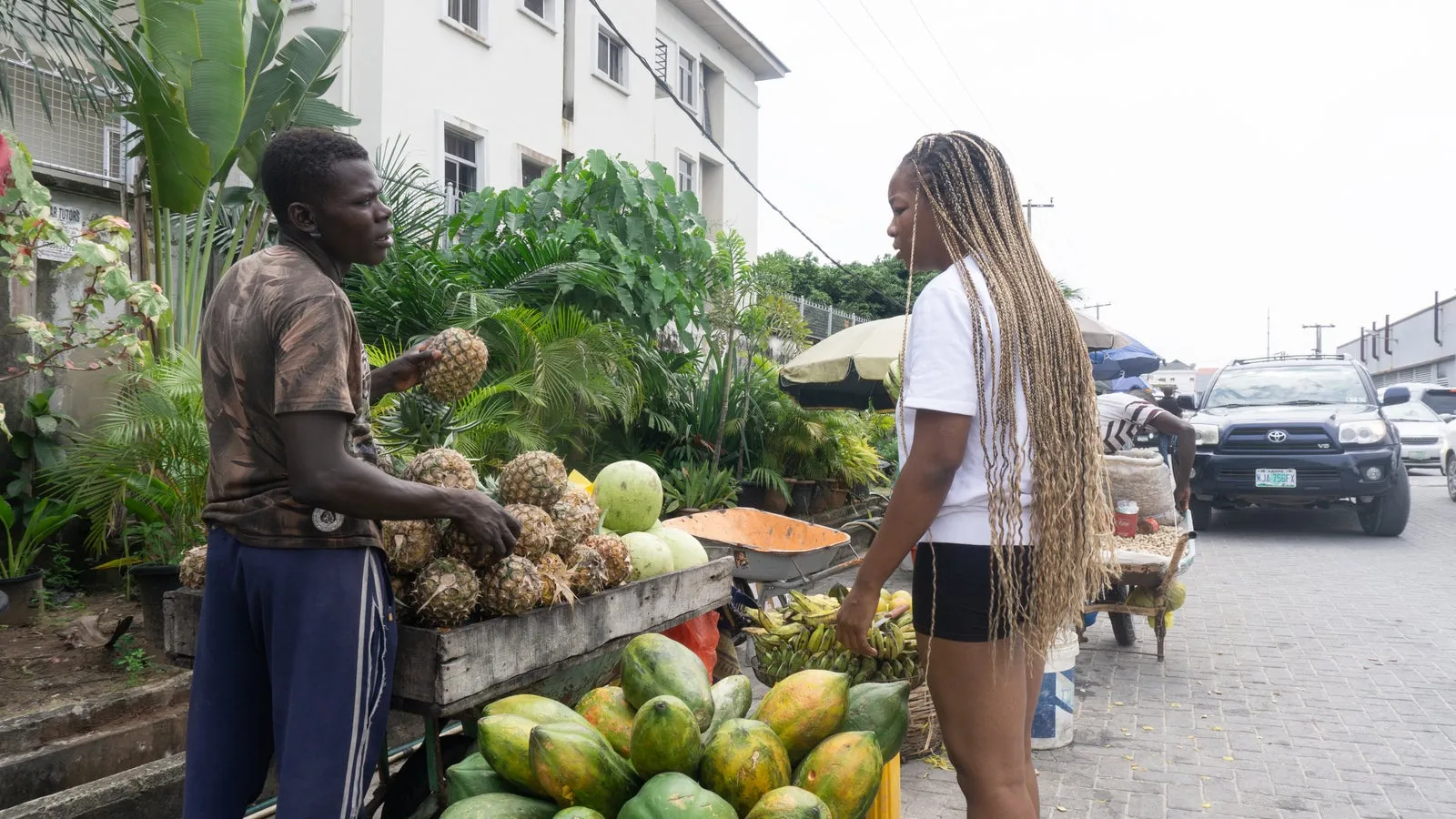
Food supports your iron levels, though on its own it may not be enough to correct anaemia once you have it. Our post on iron-rich West African foods goes into detail. Good options in pregnancy include:
- Well-cooked beef, goat and chicken. Iron from animal foods is the most easily absorbed.
- Beans and bean dishes. Moin moin, akara and cowpeas.
- Dark leafy greens. Ugu, ewedu, soko and bitterleaf, cooked into your usual soups.
- Egusi and groundnuts. Useful additions to soups and stews.
- Fortified foods. Many flours, breads and cereals have added iron.
Avoid liver while you are pregnant. It is one of the richest iron foods, and we often recommend it outside pregnancy, but the NHS advises against it because liver has high levels of vitamin A, which can harm your baby. That includes pepper soup if liver is in the pot.
Two small habits help. Have a source of vitamin C with your meal, such as oranges, guava, or fresh tomato and pepper, because it helps your body take up plant iron. And keep tea, coffee and dairy away from iron-rich meals and tablets, since they reduce absorption.
How to take iron tablets
Routine supplements and treatment doses are different, so follow what your clinician prescribes.
For prevention, the WHO recommends daily iron and folic acid in pregnancy, with 30 to 60 mg of elemental iron and 400 micrograms of folic acid. If you have been diagnosed with anaemia, you will usually be given a treatment dose. The WHO says supplements should be taken only when a qualified health worker recommends them, so please do not double up on your own.
One NHS trust's advice is a useful guide:
- [ ] Take one tablet a day, with orange juice or another vitamin C drink, an hour before breakfast
- [ ] Keep tea, coffee, milk and other dairy away from your dose
- [ ] Expect possible tummy pain, nausea, bloating, constipation or diarrhoea, and tell your clinician if it is hard to cope with
- [ ] Have a repeat blood test 2 to 4 weeks after starting
- [ ] Once your levels are normal, keep taking iron for about 3 more months
More tablets do not mean faster results: that trust says extra doses are unlikely to help and may worsen side effects. If side effects are a problem, ask about a different iron preparation or a lower dose. If tablets are not working or you are past about 36 weeks, iron through a drip may be offered, because there may not be enough time for tablets to work before birth.
If you have sickle cell disease
Iron advice is different for you, so do not start iron tablets without checking. A position statement on sickle cell in pregnancy recommends folic acid 5 mg daily and iron studies as part of your assessment, and a multivitamin without iron if you have iron overload. See our post on sickle cell, periods and pregnancy.
When is anaemia in pregnancy an emergency?
Get medical help the same day if you have severe breathlessness, a racing heart at rest, chest pain or you feel faint. The WHO lists fast breathing and heartbeat, pale skin and mucous membranes, and dizziness when standing among the signs of severe anaemia. Go to your nearest hospital emergency department if you cannot reach your clinic.
After your baby is born
Your iron needs do not end at delivery. Keep any follow-up blood tests, and if you bled heavily at birth, ask for your haemoglobin to be checked. The WHO also advises spacing pregnancies at least 24 months apart, which gives your body time to rebuild its stores.
It helps to track how you are feeling between appointments. You can log symptoms in Asele, and take the Health Brief with you so your midwife or doctor sees the pattern.
This post is education, not medical advice. Please speak to a qualified clinician about your own blood results and treatment.
References
- World Health Organization. Anaemia fact sheet. who.int
- World Health Organization. Guideline on haemoglobin cutoffs to define anaemia in individuals and populations. 2024. iris.who.int
- Multilevel predictors of anaemia among pregnant women in Ghana. PLOS Global Public Health. 2024. pmc.ncbi.nlm.nih.gov
- The Rotherham NHS Foundation Trust. Iron deficiency anaemia in pregnancy. therotherhamft.nhs.uk
- Royal College of Obstetricians and Gynaecologists. Malaria and pregnancy. rcog.org.uk
- World Health Organization. Daily iron and folic acid supplementation during pregnancy in malaria-endemic areas. who.int
- World Health Organization. Deworming in pregnancy. who.int
- NHS. Foods to avoid in pregnancy. nhs.uk
- Position statement on the management of pregnancy in sickle cell disease. pmc.ncbi.nlm.nih.gov
← Back to The Journal