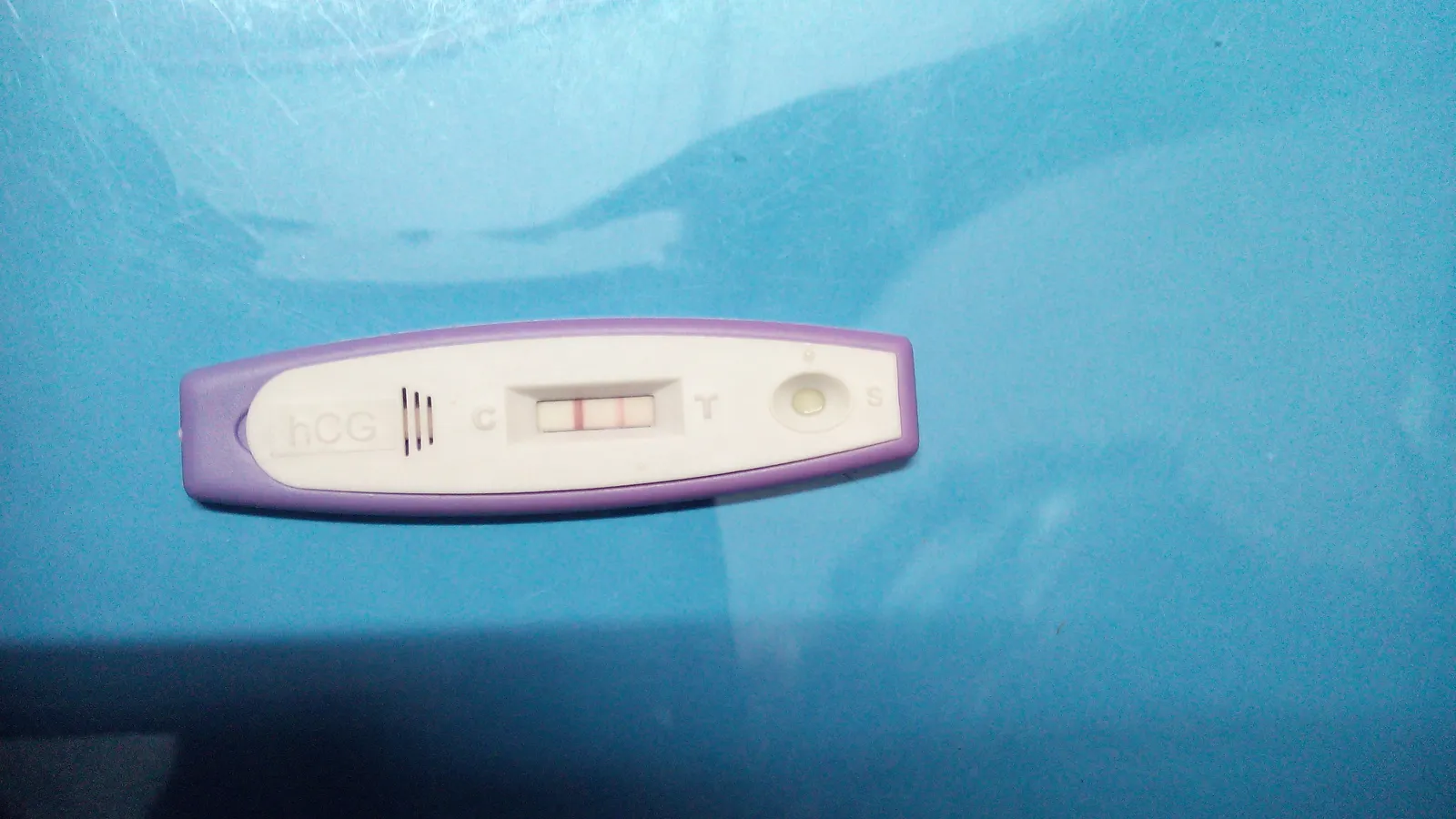
Malaria in Pregnancy: Risks, Prevention and Treatment
Malaria is more dangerous in pregnancy, for you and your baby. Here is how preventive treatment and treated nets protect you, which symptoms need urgent care, which medicines are safe, and what to know if you are travelling home from the diaspora.
TL;DR: Pregnancy lowers your defences against malaria, raising the risk of anaemia, severe illness, miscarriage, stillbirth, preterm birth and low birth weight. If you live in a malaria area, sleep under an insecticide-treated net every night and take preventive treatment (IPTp-SP) at antenatal clinic from the second trimester, at least a month apart. Any fever in pregnancy needs a malaria test the same day. If you live abroad, the UK advice is to avoid travel to malaria areas while pregnant.
If you grew up in Nigeria, Ghana, Uganda or Kenya, malaria can feel like part of life. A fever, some body aches, a trip to the chemist for an antimalarial, and you push through. Pregnancy changes that. The same infection that once knocked you down for a few days can become serious quickly, for you and for your baby. The good news is that malaria in pregnancy is largely preventable, and the protection on offer at antenatal clinic is simple and effective.
Why is malaria more dangerous in pregnancy?
Pregnancy lowers your immunity, so you are more likely to catch malaria and more likely to become severely ill. The parasites can also gather in the placenta, which affects how well your baby grows. According to the World Health Organization, malaria in pregnancy can cause maternal and newborn death, as well as anaemia, stillbirth and low birth weight, which is a major cause of infant deaths.
The Royal College of Obstetricians and Gynaecologists adds that malaria in pregnancy raises the risk of miscarriage and premature labour, and can leave you anaemic after you recover. If you also live with sickle cell disease, malaria is an extra danger, which we cover in our guide to sickle cell, periods and pregnancy.
How big is the problem in Africa?
The burden sits overwhelmingly on the continent. WHO's malaria fact sheet estimates 282 million cases and 610,000 deaths worldwide in 2024, with the WHO African Region carrying about 95 percent of both.
For pregnant women specifically, the World Malaria Report 2025 estimates that in 2024, across 33 African countries with moderate to high transmission, there were about 36 million pregnancies, and around 13 million of them, 36 percent, were infected with malaria. Yet only 45 percent of eligible women received the recommended three doses of preventive treatment, well below the 80 percent target. That gap is where many avoidable cases of anaemia and low birth weight come from.
What is IPTp-SP and when should I take it?
IPTp-SP is preventive malaria treatment for pregnant women, using a medicine called sulfadoxine-pyrimethamine. WHO recommends that pregnant women in areas of Africa with moderate to high malaria transmission start it as early as possible in the second trimester, and take doses at least one month apart, aiming for at least three doses before birth.
It is usually given at antenatal clinic, often swallowed in front of the nurse, so the simplest way to get your doses is to attend your appointments from early on. You take it even if you feel well, since it is prevention rather than treatment for illness you can feel. WHO's updated guidelines for malaria recommend it whether this is your first pregnancy or your fifth.
A few things to know:
- It is not given in the first trimester. Your first dose comes from around 13 weeks onwards.
- Tell your clinic about other medicines. If you are living with HIV and taking cotrimoxazole, your clinic will advise you on the right approach, as SP is not usually given alongside it.
- Keep count. Ask at each visit whether you are due a dose and make sure it goes in your antenatal card. Our list of questions to ask at antenatal appointments can help.
Why sleeping under a treated net matters
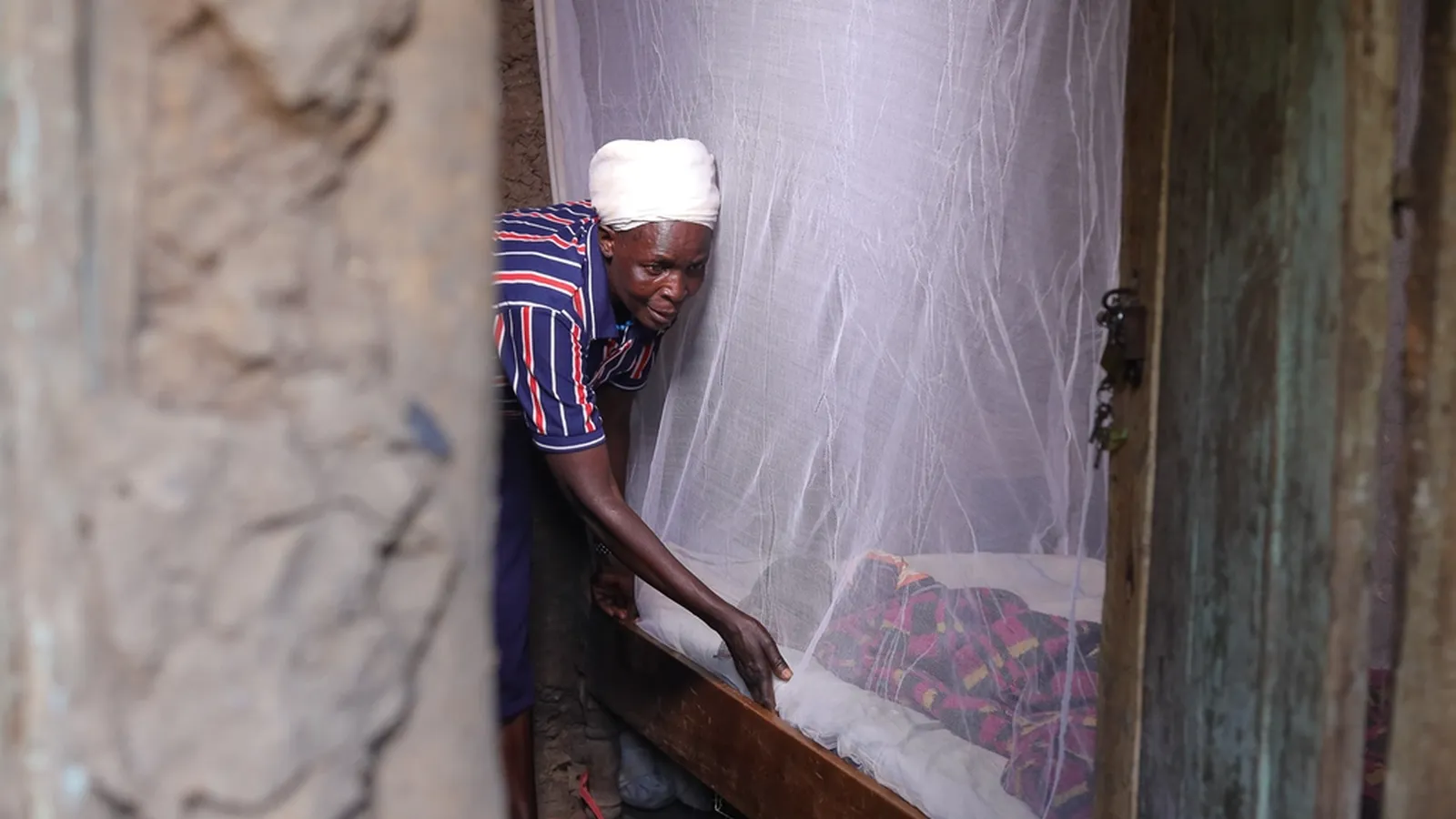
Insecticide-treated nets are one of the most effective tools you have. Sleep under one every night throughout pregnancy, and keep using it after your baby arrives, ideally with your baby under the net too. Many antenatal clinics give them out. The World Malaria Report 2025 found that only 53 percent of pregnant women and young children were sleeping under a net in 2024, so it is worth checking yours.
Some practical tips:
- Tuck the net in under the mattress or mat so mosquitoes cannot find a gap.
- Check for holes and mend them. A small tear is enough for a mosquito.
- WHO advises repellent after dusk, and long sleeves in the evening help too.
- Clear standing water around the compound where you can, such as old tyres, buckets and blocked gutters.
What symptoms need urgent care?
Any fever in pregnancy, even a mild one, needs a malaria test the same day. Do not wait to see if it passes, and do not treat yourself with leftover antimalarials.
WHO lists fever, headache and chills as the most common early symptoms, usually starting 10 to 15 days after an infected bite. Go to hospital immediately if you have:
- extreme tiredness, confusion or drowsiness
- fits or convulsions
- difficulty breathing
- heavy bleeding, or your baby moving less than usual
These can be signs of severe malaria or a pregnancy emergency. Fever in pregnancy can also come from other causes, such as a urine infection, so a proper test matters. Bringing your antenatal card helps staff act quickly.
Which malaria treatments are safe in pregnancy?
Malaria in pregnancy should always be treated by a health worker, after a test, because the right medicine depends on how far along you are and how unwell you are. WHO's guidelines for malaria set out the current approach:
- First trimester, uncomplicated malaria. In 2022, WHO updated its advice to recommend artemether-lumefantrine as the preferred treatment. Earlier guidance favoured quinine with clindamycin, but a large analysis in The Lancet found no higher risk of miscarriage, stillbirth or birth defects with artemisinin treatments compared with quinine.
- Second and third trimesters, uncomplicated malaria. Artemisinin-based combination therapies (ACTs) are recommended, the same family of medicines used for adults who are not pregnant.
- Severe malaria, any trimester. Injectable artesunate, into a vein or muscle, for at least 24 hours, followed by a full course of an ACT. In severe malaria, treatment should never be delayed because of the pregnancy.
Some medicines used for malaria are not suitable in pregnancy, so always tell the health worker or pharmacist that you are pregnant, even if you are not showing yet.
Visiting family from the diaspora while pregnant
Going home to Lagos, Accra or Kampala for a wedding, a funeral or Christmas is a big deal, and pregnancy can make you want to be with family even more. But the UK guidance here is clear. Both the UK travel health service and the RCOG advise pregnant women to avoid travel to malaria areas, because pregnancy raises the risk of severe malaria and death.
It also matters that any protection you had as a child does not last. The UK's malaria guidance for travellers notes that immunity fades quickly once you move to a country without malaria, and that people visiting friends and relatives in West Africa account for the largest number of malaria cases brought back to the UK each year.
If travel cannot be avoided, see a travel clinic or your GP well before you go. Current UK advice is:
- Mefloquine can be offered in all trimesters for high-risk areas.
- Chloroquine is safe in pregnancy but gives poor protection in much of Africa because of resistance.
- Doxycycline is generally avoided in pregnancy.
- Atovaquone-proguanil is generally not advised in pregnancy, because there is limited safety data.
- Bite prevention still matters: repellent with 50 percent DEET is recommended and has a good safety record in pregnancy, alongside a treated net and long sleeves.
When you get back, any fever needs urgent medical attention and a malaria test, and you should tell the doctor where you have been. UK guidance says to stay alert for symptoms for up to a year after your return.
Keep a record of your pregnancy
It helps to have your doses, symptoms and questions in one place. Asele lets you log symptoms such as fever, tiredness or headaches, and the Health Brief turns what you have logged into a pre-visit summary you can take to antenatal clinic. If something feels off and you want to talk it through first, Amara can chat with you in Yoruba, Hausa, Igbo, Swahili, French or English, and will always point you to a clinician when you need one. Find us at Asele. For more on staying well through these months, see our pregnancy nutrition guide.
This post is education, not medical advice. If you are pregnant and have a fever, get tested for malaria the same day.
References
- World Health Organization. Malaria fact sheet. who.int
- World Health Organization. World Malaria Report 2025: executive summary. who.int
- World Health Organization. Community health workers can help to fill the gap in malaria prevention for pregnant women. who.int
- World Health Organization. WHO guidelines for malaria. who.int
- Saito M, et al. Pregnancy outcomes after first-trimester treatment with artemisinin derivatives versus non-artemisinin antimalarials: a systematic review and individual patient data meta-analysis. The Lancet, 2023. thelancet.com
- Royal College of Obstetricians and Gynaecologists. Malaria and pregnancy. rcog.org.uk
- NaTHNaC / TravelHealthPro (UK Health Security Agency). Pregnancy factsheet. travelhealthpro.org.uk
- NaTHNaC / TravelHealthPro (UK Health Security Agency). Malaria factsheet. travelhealthpro.org.uk
← Back to The Journal