Mental Health for Women: The Complete Guide
How hormones, life stages, work, family and faith shape women's mental health, the signs of anxiety, depression, PMDD and burnout, and where to find affordable support and crisis help in Lagos, Nairobi and London.

TL;DR: Women's mental health is shaped by hormones, life stages and the loads we carry at work and at home. Anxiety and depression are common and treatable, PMDD is a recognised condition, and burnout is different from depression though the two overlap. Low mood or worry that lasts most days for more than two weeks deserves a professional's attention. Affordable help exists in Lagos, Nairobi and London, and if you are thinking of ending your life, get help today.
Maybe you have been telling yourself it is just stress. Or tiredness. Or your period. Or that other people have it worse, so you should be grateful and carry on. Many of us grew up hearing that strong women do not complain, that sadness is a lack of faith, and that what happens at home stays at home. But your mind is part of your body, and it deserves the same care. This guide brings together everything we have written on women's mental health, from how your cycle affects your mood to finding a therapist you can afford, with African women on the continent and in the diaspora in mind. Each section gives you the essentials and points you to a deeper post when you want more.
Why does mental health look different for women?
Partly biology, partly life. The World Health Organization estimates that depression is about 1.5 times more common among women than men. Hormonal life stages play a part: the menstrual cycle, pregnancy and the year after birth, and perimenopause all bring shifts that can affect mood. So does the load many women carry. The International Labour Organization found that women do 76.2 percent of all unpaid care work, more than three times as much as men. Picture the nurse in Accra who comes off a night shift and starts cooking, or the daughter in Manchester sending money home and managing a parent's care by video call.
None of this means something is wrong with you. It means there are good reasons you might be struggling, and good reasons to ask for support. Our guide to anxiety and depression in women explains the causes and the physical conditions, such as thyroid problems and PCOS, that are closely linked to mood.
How do hormones affect your mood across the cycle?
Oestrogen and progesterone rise and fall across your cycle. Many women notice they feel more irritable, anxious or low in the days before a period. That premenstrual dip is part of PMS, which the NHS says may be linked to changes in hormone levels, with some women more sensitive to those changes than others. The NHS suggests keeping a symptom diary for at least 2 cycles, which can show whether your low days follow a pattern. We explain the phases in how the menstrual cycle affects mental health.
When it is PMDD
Premenstrual dysphoric disorder is a severe form of PMS with intense emotional symptoms, such as deep sadness, hopelessness, anxiety, anger and feeling out of control, that start in the week or two before your period and ease once it begins. The US Office on Women's Health says it affects up to 5% of women of childbearing age, and that many women with PMDD also have anxiety or depression. The NHS describes PMDD symptoms as much more intense than PMS, with a much greater impact on everyday life, and advises calling 999 or going to A&E if you have PMDD and feel suicidal.
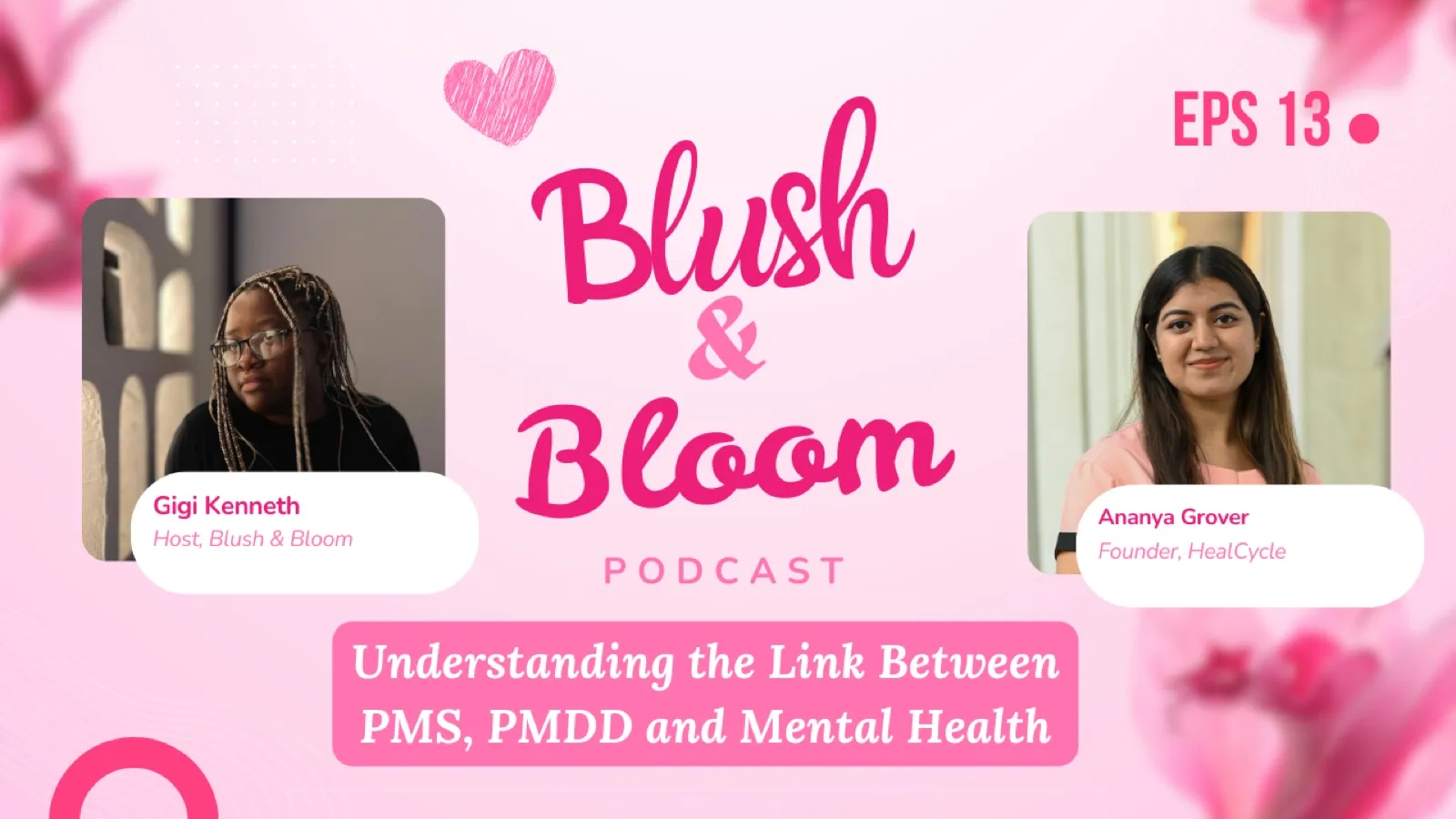
PMDD is treatable, but it is often dismissed as "bad PMS". A symptom diary kept over a few cycles helps a doctor see the pattern. We talk about PMS and PMDD in episode 13 of our podcast.
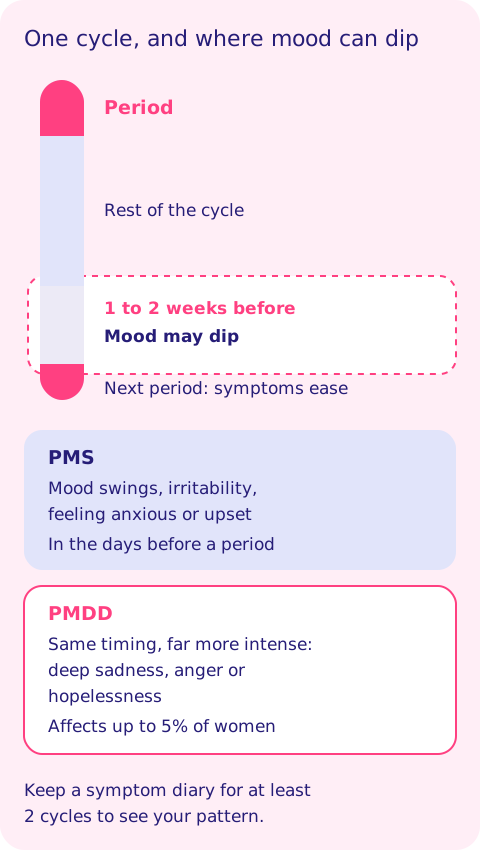
PMS and PMDD share the same timing. What sets PMDD apart is how intense it is.
What is the difference between anxiety and depression?
Anxiety is mainly about fear and worry, while depression is mainly about low mood and loss of interest, and the two often appear together. Anxiety can show up as constant worry, feeling on edge, a racing heart, a tight chest, poor sleep and panic attacks. Depression, as the NHS describes it, can bring continuous low mood, feeling hopeless, losing interest in things you used to enjoy, changes in appetite and sleep, and withdrawing from people. The NHS uses a two-week marker: if these feelings last most of the day, nearly every day, for more than two weeks, see a professional.
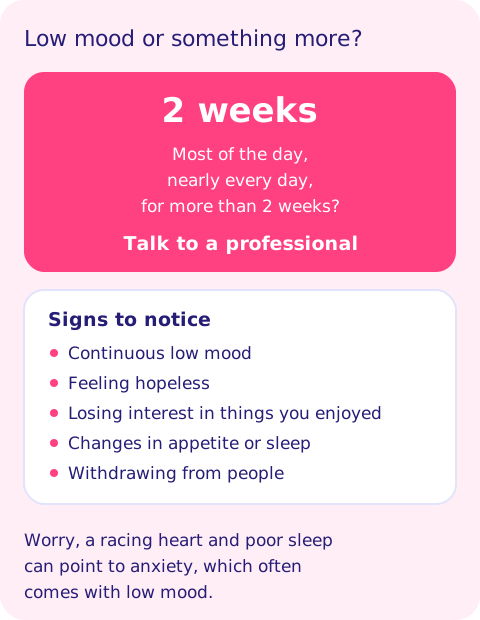
The NHS two-week marker is a simple way to tell a bad patch from something that needs care.
Both are common. The WHO estimates that in 2023 around 470 million people were living with an anxiety disorder and 322 million with depression. Both respond to treatment, including talking therapies such as CBT and, for moderate to severe symptoms, medication. Read the full guide: anxiety and depression in women: signs, causes, and how to get help.
Is it burnout or depression?
Burnout is tied to work, while depression follows you everywhere. The WHO describes burnout as an occupational phenomenon resulting from chronic workplace stress that has not been successfully managed, not a medical condition. Its three signs are exhaustion, mental distance or cynicism about your job, and feeling you are no longer good at what you do. A useful clue is whether time away helps. If a proper break lets you feel like yourself again, that fits burnout. If the heaviness comes with you to your mum's house in Ibadan or a quiet week in Mombasa, take depression seriously. You can also have both.
| Burnout | Depression | |
|---|---|---|
| What it is | An occupational phenomenon from chronic work stress, not a medical condition | A common mental health condition that responds to treatment |
| Where it shows up | Mainly at work | In every part of life |
| Main signs | Exhaustion, cynicism or distance from your job, feeling you are no longer good at it | Continuous low mood, hopelessness, losing interest, changes in sleep and appetite |
| After a proper break | You often start to feel like yourself again | The heaviness usually comes with you |
| Can you have both? | Yes | Yes |
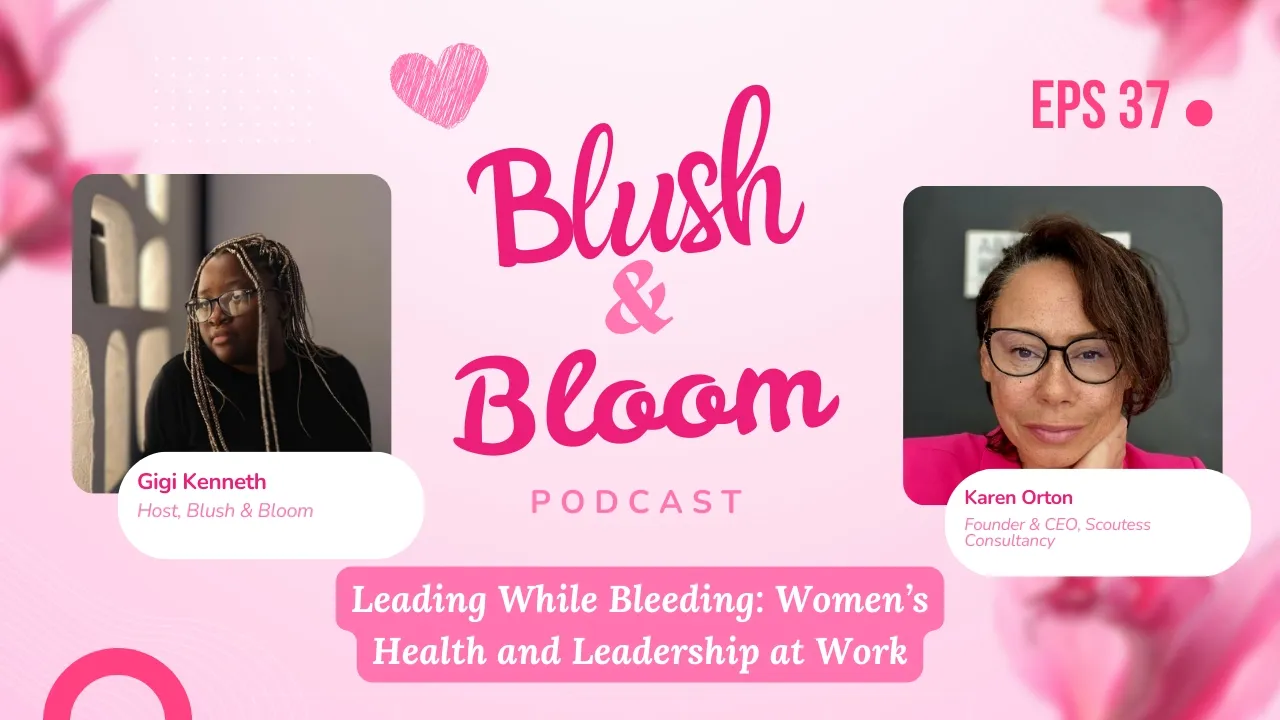
On our podcast, talent expert Karen Orton argued that the fix for burnout is organisations redesigning what performance looks like, not women learning to fix themselves. Read burnout or depression? how to tell the difference for practical steps for each.
Mental health in pregnancy and after birth
This is one of the most vulnerable times in a woman's life. The WHO says that worldwide about 10% of pregnant women and 13% of women who have just given birth experience a mental disorder, mainly depression, rising to 15.6% in pregnancy and 19.8% after birth in developing countries.
The baby blues, the tearful, up-and-down days just after birth, usually pass within two weeks. Postpartum depression lasts longer and can bring deep sadness, numbness, difficulty bonding and exhaustion that sleep does not fix. Postpartum anxiety feels more like a siren that never switches off: constant worry about the baby, a racing heart and being unable to sleep even when the baby sleeps. A large review found that around 15 percent of women reported significant anxiety symptoms in the months after birth. Unwanted, frightening thoughts about harm coming to your baby are very common and do not mean you will act on them.
Both conditions are treatable, and some medicines, such as sertraline, can often be used while breastfeeding. Confusion, hallucinations, or thoughts of harming yourself or your baby that feel like plans can be signs of postpartum psychosis, which the NHS calls a medical emergency. Read our guides to postpartum depression and postpartum anxiety.
Menopause and mood
Perimenopause can bring irritability, tearfulness, anxiety and low mood, sometimes for the first time in a woman's life, often alongside broken sleep from night sweats and brain fog. NICE advises doctors to consider HRT for low mood that starts around the same time as other menopause symptoms, and to consider CBT too. If you have been diagnosed with depression, it should be treated as depression alongside your menopause care. Our guides to perimenopause symptoms and brain fog in perimenopause explain more.
Why is mental health so hard to talk about in African families?
Because for many of our parents and grandparents, mental illness was linked with shame, danger and spiritual causes rather than with health. A community survey of over 2,000 adults in Nigeria found that 96.5 percent believed people with mental illness are dangerous. So when you say "I think I have depression", some parents hear "my child is going mad" or "what will people say?" Their first reaction is often fear dressed up as dismissal.
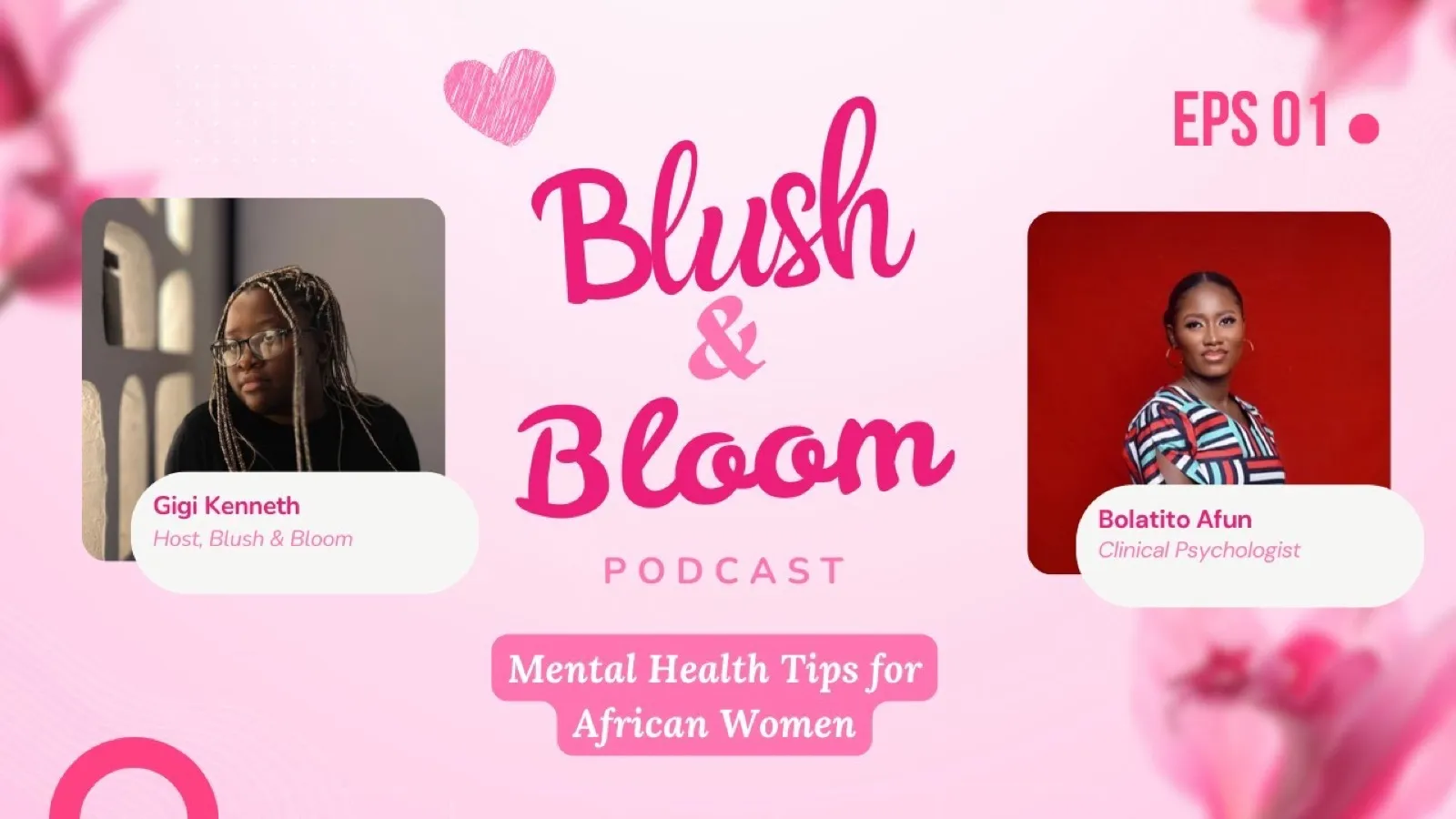
It helps to choose one person and a calm moment, start with the body ("I have not been sleeping for weeks and my chest feels tight"), and frame it as a health problem like blood pressure. If they do not understand, you can still get help, and support from outside the family is enough to begin. Our guide on how to talk about mental health with your African family has words you can borrow, and our first podcast episode, mental health tips for African women with clinical psychologist Bolatito Afun, covers boundaries, guilt and stigma.
Where faith fits in
For many African women, faith is how life is understood, and it does not have to be set against treatment. Prayer and professional care can work together. In a trial in Ibadan, Nigeria and Kumasi, Ghana, traditional and faith healers working with primary health care workers achieved better outcomes for people with psychosis than usual care. You can think about it the way your family already thinks about malaria: you pray, and you also go to the hospital.
Pastoral counselling from a pastor, imam or church group can be a comfort. It works best alongside a qualified clinician when symptoms are moderate or severe, and it is never a reason to delay help in a crisis.
How can I find affordable support?
Lower cost often means a different format, such as group sessions, guided self-help, a supervised trainee or an online session, rather than lower quality. In Zimbabwe, the Friendship Bench trial found that problem-solving therapy delivered by trained lay health workers reduced symptoms of common mental disorders, and most participants were women.
- London and the rest of England: you can refer yourself to NHS Talking Therapies for anxiety and depression without seeing a GP first, and it is free.
- Lagos: the Federal Neuropsychiatric Hospital in Yaba and teaching hospital psychiatry departments run outpatient clinics, and the Lagos State Ministry of Health runs a tele-mental health line on 0700 000 6463 or 0909 000 6463.
- Nairobi: Mathari National Teaching and Referral Hospital offers outpatient care, counselling and tele-mental health, and Kenya Red Cross lists a toll-free number, 1199.
Ask clinics directly about reduced rates, say yes to group or online sessions, and give it a few sessions before deciding whether it helps. Our full map is finding affordable therapy in Lagos, Nairobi and London. Services and numbers change, so check official websites before you go.
What self-care has evidence behind it?
Self-care is not a cure for a mental health condition, but some habits do help, alongside treatment where it is needed. The NHS points to five steps to mental wellbeing: connecting with other people, being physically active, learning new skills, giving to others and paying attention to the present moment. The WHO notes that physical activity reduces symptoms of depression and anxiety, and a brisk walk, a dance in your living room or carrying shopping up the stairs all count.
- Connect with people: a call, a visit or a shared meal with someone you trust.
- Move your body: a walk, a dance or anything that gets you active.
- Learn something new: a recipe, a craft or a skill you have been curious about.
- Give to others: a kind word, a favour or time volunteering.
- Notice the present moment: pause and pay attention to your thoughts, body and surroundings.
- Protect your sleep: poor sleep and low mood feed each other.
Sleep matters too, because poor sleep and low mood feed each other. Our post on sleep and hormones has practical tips, and self-care routines for women covers small habits that fit a busy life. Be wary of anything sold as a quick fix, and tell your doctor about any supplements you take.
When should I get help urgently?
Get help today if you have thoughts of ending your life or harming yourself, have made plans, feel you cannot keep yourself or your children safe, or cannot eat, get out of bed or look after yourself. After birth, sudden confusion, hallucinations or strange beliefs need same-day help.
- In the UK: call 999 or go to A&E if your life is at risk, call 111 for urgent mental health support, or call Samaritans free on 116 123, any time of day.
- In Nigeria, Kenya, Ghana or elsewhere: go to the emergency department of the nearest hospital, ideally with someone you trust, or call your local emergency number. In Lagos, the state tele-mental health line above can offer remote support from licensed counsellors.
Tell someone close to you what is happening. You do not need to be sure what is wrong before asking for help.
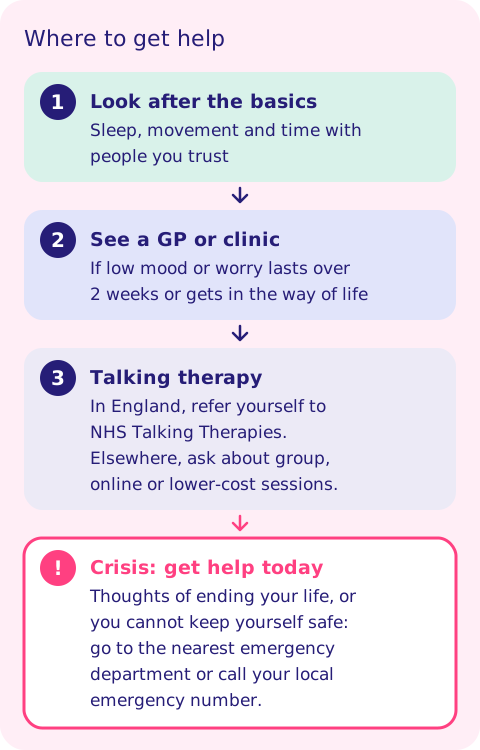
Match the kind of help to how you are feeling, and skip straight to the last step in a crisis.
Seeing your own patterns
When everything blurs together, it is hard to tell a bad week from a pattern. Writing down your mood, sleep and energy for a few weeks can show whether things dip around deadlines, around your cycle, after birth or all the time, and that record is useful to any doctor or counsellor.
This is where Asele can help, quietly. Cycle tracking and symptom logging let you see how your mood, sleep and energy move with your cycle over months. The Asele Health Brief turns that into a short summary you can take to an appointment, so you do not have to rely on memory when you are already exhausted. And Amara, our in-app assistant, is there to talk through how you are feeling in Yoruba, Hausa, Igbo, Swahili, French or English, though it is not a substitute for a clinician or a crisis line. You can find us at Asele.
Frequently asked questions
How do I know if I need therapy?
If low mood, worry or loss of interest last most days for more than two weeks, or get in the way of work, relationships or caring for yourself, it is worth talking to a professional. You do not need to be in crisis to deserve support. Someone who knows you well saying they are worried is also a good reason to go.
Can my period make my anxiety or depression worse?
Yes. Many women notice their mood dips in the days before a period, and some have PMDD, where premenstrual symptoms are severe enough to disrupt daily life. Tracking your mood alongside your cycle for two or three months can show your doctor whether there is a pattern.
Is it okay to pray and see a therapist?
Yes. Faith and professional care are not opposites, and many women find strength in both. Research from Nigeria and Ghana shows that faith leaders and health workers working together can improve outcomes. What matters is that you get help that works for you.
Are antidepressants safe while breastfeeding?
Some can be. The NHS says sertraline can often be used while breastfeeding, though it is best to check with your doctor because small amounts pass into breast milk. Untreated depression carries its own risks for you and your baby. A doctor can talk through the options with you so you can decide together.
What if I cannot afford therapy?
Look at free and lower-cost routes first: NHS Talking Therapies in England, public hospital clinics and state or nonprofit helplines in Nigeria and Kenya, university training clinics, and employer support schemes. Group and online sessions are often cheaper. Asking a clinic directly about reduced rates often helps.
This guide is education, not medical advice. If you are struggling, a doctor, nurse or mental health professional who can see you in person is the best next step, and asking for help is how feeling better begins.
References
- World Health Organization. Depressive disorder (depression) fact sheet. who.int
- World Health Organization. Mental disorders fact sheet. who.int
- World Health Organization. Burn-out an "occupational phenomenon": International Classification of Diseases. who.int
- World Health Organization. Perinatal mental health. who.int
- World Health Organization. Physical activity fact sheet. who.int
- International Labour Organization. ILO calls for urgent action to prevent looming global care crisis. ilo.org
- NHS. Premenstrual syndrome (PMS). nhs.uk
- US Office on Women's Health. Premenstrual dysphoric disorder (PMDD). womenshealth.gov
- NHS. Symptoms of depression in adults. nhs.uk
- NHS. Postpartum psychosis. nhs.uk
- NHS. Five steps to mental wellbeing. nhs.uk
- NHS. Find an NHS talking therapies service. nhs.uk
- NHS. Where to get urgent help for mental health. nhs.uk
- NICE. Menopause: identification and management (NG23), recommendations. nice.org.uk
- Dennis CL, Falah-Hassani K, Shiri R. Prevalence of antenatal and postnatal anxiety: systematic review and meta-analysis. British Journal of Psychiatry, 2017. pubmed.ncbi.nlm.nih.gov
- Gureje O, et al. Community study of knowledge of and attitude to mental illness in Nigeria. British Journal of Psychiatry, 2005. pubmed.ncbi.nlm.nih.gov
- Gureje O, et al. Effect of collaborative care between traditional and faith healers and primary health-care workers on psychosis outcomes in Nigeria and Ghana (COSIMPO). The Lancet, 2020. pubmed.ncbi.nlm.nih.gov
- Chibanda D, et al. Effect of a primary care-based psychological intervention on symptoms of common mental disorders in Zimbabwe. JAMA, 2016. pubmed.ncbi.nlm.nih.gov
- Lagos State Ministry of Health. Lagos launches new mental health helpline to enhance support services. lagosministryofhealth.org
- Mathari National Teaching and Referral Hospital. Out and in-patient general mental health services. mntrh.go.ke
- Kenya Red Cross Society. Contact us. redcross.or.ke
- NHS. Treatment for depression in adults. nhs.uk
- NHS. Pregnancy, breastfeeding and fertility while taking sertraline. nhs.uk