Start a Walking Group With Your Friends
A walking group is one of the cheapest ways to see your friends and move your body at the same time. Here is how to pick a route, keep everyone safe, invite people and keep it going after the first few weeks.
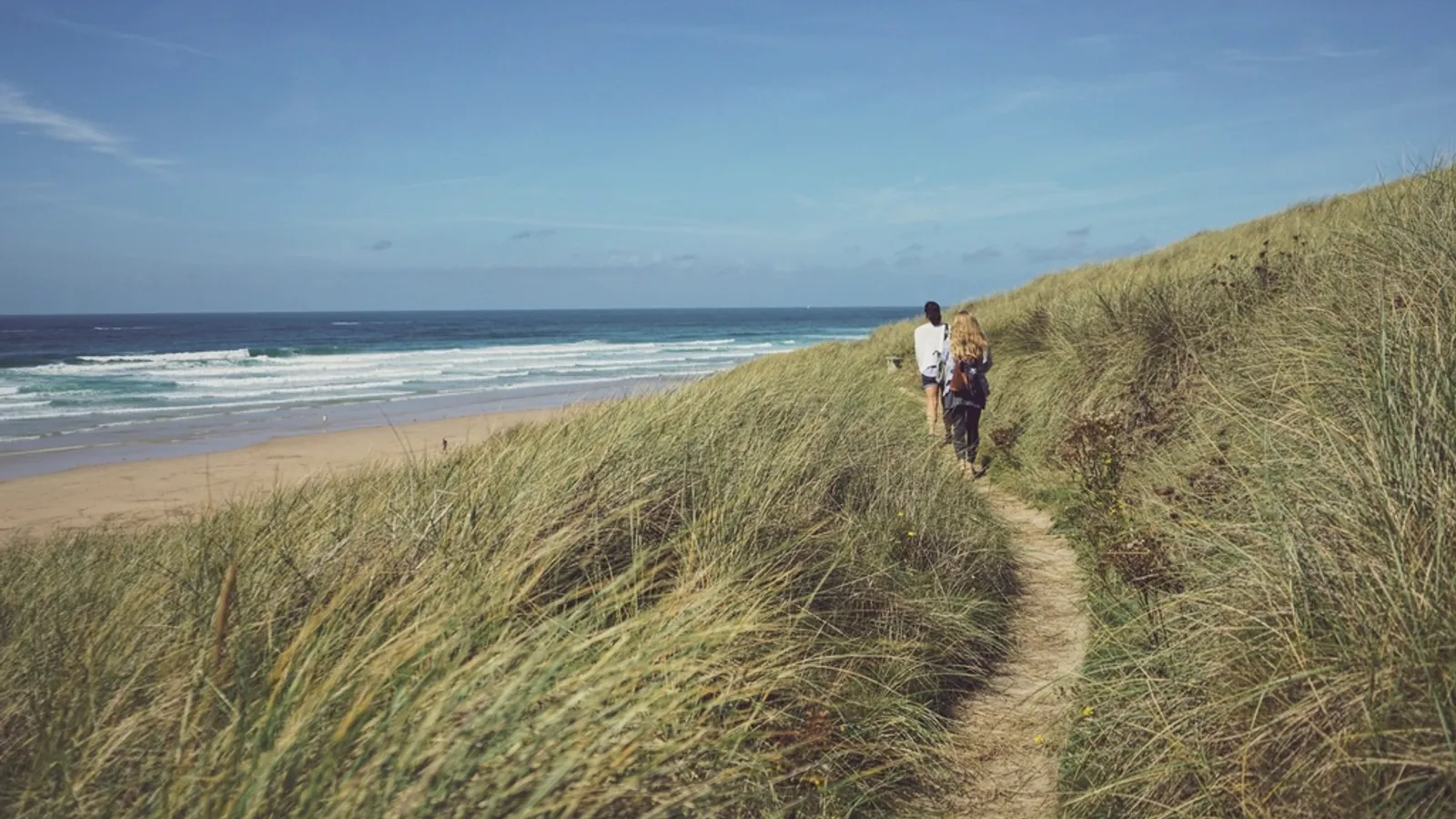
TL;DR: Pick one easy route, one regular time and two or three friends. Walk in daylight on busy paths, share the route with someone at home, and plan around heat. Keep the pace chatty, keep the group chat alive, and do not cancel just because only two people can come. Walking groups have good evidence behind them, and most of the fun is in the talking anyway.
You keep saying "we must link up soon", and then six months go by. Brunch costs too much, somebody's child is sick, and the group chat is mostly voice notes about being tired. A walking group fixes a surprising amount of this. It is cheap, it fits around busy lives, and it means you get to catch up with your friends while your body does something useful. Here is how to get one started.
Is a walking group good for you?
Yes, and the evidence is better than you might expect. A review of 42 studies involving 1,843 people found that outdoor walking groups lowered blood pressure, resting heart rate, body fat and depression scores, with good attendance and no notable side effects. The NHS adds that a brisk 10-minute daily walk has lots of health benefits and counts towards your 150 minutes of weekly activity, and that walking in a group is a great way to make friends and stay motivated.
Friendship matters here too. We wrote about why friends are good for your health, and how to find them as an adult, and a weekly walk is an easy way to keep those people close. If you are curious about step counts, we looked at whether you need 10,000 steps a day. Spoiler: you do not.
How do I start a walking group?
Message two or three friends, suggest one route and one time, and go. Do not build a committee. Small is better at the beginning, because a group of three tends to turn up, while a group of twenty mostly sends apologies.
Picking your route
The best route is the one people can get to without drama.
- Keep it close. Choose somewhere within easy reach of most of the group, or take turns choosing near each person's home.
- Pick a loop or a straight there and back. Thirty to forty minutes is plenty to begin with.
- Look for pavements, shade and toilets. Parks, university campuses and quiet estate roads all work, and it helps if there is somewhere nice to sit afterwards.
- Try somewhere special now and then. In Lagos, the Lekki Conservation Centre, run by the Nigerian Conservation Foundation, has a peaceful forest setting and Africa's longest canopy walkway. Check opening times and fees before you set off.
- Walk it first if you can. A quick solo recce in daylight saves you leading everyone into a dead end or past a pack of dogs.
As for pace, the NHS says you are walking briskly if you can keep a conversation going but cannot sing along to a song. That is ideal for a walking group: fast enough to count, slow enough to discuss whatever your cousin did at that wedding.
How do we stay safe walking as women?
Being in a group already helps, and a little planning does the rest. Too many of us have a mental map of which streets to avoid, so build that knowledge into the plan.
The Ramblers, the UK walking charity, offers useful safety advice for women walking: choose paths you know are well used, tell a friend your start point, route and expected return time, carry a charged phone, keep a map downloaded in case you lose signal, carry a little cash so you can get home, keep your ears free enough to hear what is around you, and trust your instincts. If something feels wrong, turn back or head towards other people.
A few more things that matter on our roads:
- Walk in daylight or on well-lit streets, and agree a meeting point that is easy to find.
- Face the traffic if there is no pavement. The UK Highway Code says to walk so that you can see oncoming traffic, in single file on narrow roads or in poor light, and to wear something bright in poor daylight and reflective after dark.
- Keep phones in bags on busy roads, and watch out for each other at crossings.
- Arrange how people get home, so nobody ends the walk alone in a place that feels unsafe.
- Respect the heat. The NHS advises drinking plenty of fluids, wearing light loose clothing and avoiding the sun between 11am and 3pm. In Accra, Mombasa or Durban, early morning or early evening will be kinder to everyone. Dizziness, headache, nausea and heavy sweating are signs to stop, find shade and drink.
Comfortable shoes that support your feet and do not cause blisters are also worth finding, and they do not need to be expensive.
Inviting people so they say yes
Be specific. "We should walk sometime" goes nowhere. "Saturday, 7am, by the main gate, 40 minutes, then akara" has a fighting chance.
Tell people it is for all fitness levels, and mean it. Agree that the group walks at the pace of the slowest person, and that buggies, walking sticks, headscarves, hijabs and last week's trainers are all welcome. Faith and culture can shape what feels comfortable, so ask rather than assume. The Ramblers site features a member who leads walks for her local Muslim women's group, which is a nice reminder that a group can be built around who you are. And if a friend is more of a sit-and-chat person, invite her to meet you at the end for the food.
Keeping it going after week three
This is the hard part. Here is what helps.
- [ ] Fix one regular day and time, so nobody has to negotiate each week
- [ ] Decide on the group chat, and agree that the walk happens even if only two can come
- [ ] Take turns choosing the route, so it does not fall to one person
- [ ] Add a small treat at the end, like suya, roasted corn, or tea from a kiosk
- [ ] Try one new route a month, and a playlist for the solo days
- [ ] Mark milestones with a photo, a meal out or a longer walk
- [ ] Check in if someone goes quiet for a few weeks
Rain, exams, Christmas and new babies will all interrupt you. That is fine. Pick up where you left off, without any guilt-tripping in the group chat. For days when you are walking alone, our Afrobeats playlist for your walk will keep your feet moving, and you will find more low-cost ways to see your people in friend date ideas that cost almost nothing.
If you would like a bigger crew behind you, our free monthly movement challenges are open to anyone who wants to move more at their own pace, and walking absolutely counts. Your group could even sign up together.
Now pick a day, send the message, and go and find out what everybody has been up to.
Sources
- Hanson S, Jones A. Is there evidence that walking groups have health benefits? A systematic review and meta-analysis. British Journal of Sports Medicine, 2015. pubmed.ncbi.nlm.nih.gov
- NHS. Walking for health. nhs.uk
- NHS. Heat exhaustion and heatstroke. nhs.uk
- The Ramblers. Practical tips for walking alone safely. ramblers.org.uk
- UK Government. The Highway Code: rules for pedestrians. gov.uk
- Nigerian Conservation Foundation. Lekki Conservation Centre. ncfnigeria.org
← Back to The Journal