Harmattan Skincare: Keeping Your Skin and Lips Happy in Dry Season
Harmattan brings cool mornings, dusty skies and skin that suddenly feels tight, ashy and cracked. Here is what the season does to your skin, lips and eyes, and the simple, dermatologist-backed habits that keep you comfortable until it passes.
TL;DR: Harmattan's dry, dusty wind pulls moisture from your skin and lips and can irritate eyes and airways. Keep showers short and warm, moisturise while your skin is still damp with a rich cream or shea butter, use a gentle lip balm with SPF, keep wearing sunscreen, and have an asthma plan if you need one. See a clinician if your skin cracks, bleeds or itches badly, or if breathing gets harder.
You know it has arrived when your morning starts with cold air, a hazy sky and a fine layer of dust on everything you own. Your heels crack, your lips split when you laugh, and the cocoa butter you used last month suddenly is not enough. Harmattan has its charms (those cool evenings are lovely), but it is hard on skin. The good news is that a few small changes to your routine make a big difference.
What is harmattan and when does it happen?
Harmattan is the dry, dusty north-easterly wind that blows across West Africa during the dry season. In Ghana, the Ghana Meteorological Agency describes it as the dry season that prevails from December to February, carrying dust that reduces visibility and air quality. Further north, a study from Sokoto in northern Nigeria described the harmattan season there as running from November to February. The exact timing and strength vary by country and from year to year.
Why does harmattan dry out your skin so much?
Your skin holds on to water best when the air around it is humid. Harmattan air is dry and windy, so moisture evaporates from the surface of your skin faster than usual, which leaves it tight, flaky and ashy. Dust adds to the irritation, and many people respond by taking long hot baths to feel clean, which strips even more of the skin's natural oils. The result is that classic harmattan combination of rough elbows, cracked heels and itchy shins.
How to moisturise in harmattan
The American Academy of Dermatology's tips for relieving dry skin fit harmattan perfectly:
- Keep baths and showers short. The AAD suggests five to ten minutes with warm, not hot, water. That hot bucket bath feels lovely on a cold morning, but it dries your skin out.
- Use a gentle cleanser. Harsh soaps strip oil. A mild, fragrance-free wash is kinder in dry season.
- Moisturise while your skin is still damp. Pat yourself dry and apply moisturiser within a few minutes, so it helps trap the water in your skin. Reapply through the day when your skin feels dry, and after washing your hands.
- Choose richer textures. Thicker creams and ointments hold in moisture better than light lotions. Ingredients the AAD names for dry skin include shea butter, petrolatum (petroleum jelly), glycerin, hyaluronic acid, lanolin, mineral oil and dimethicone.
- Use a humidifier if you can. Running one in your bedroom at night adds moisture to the air.
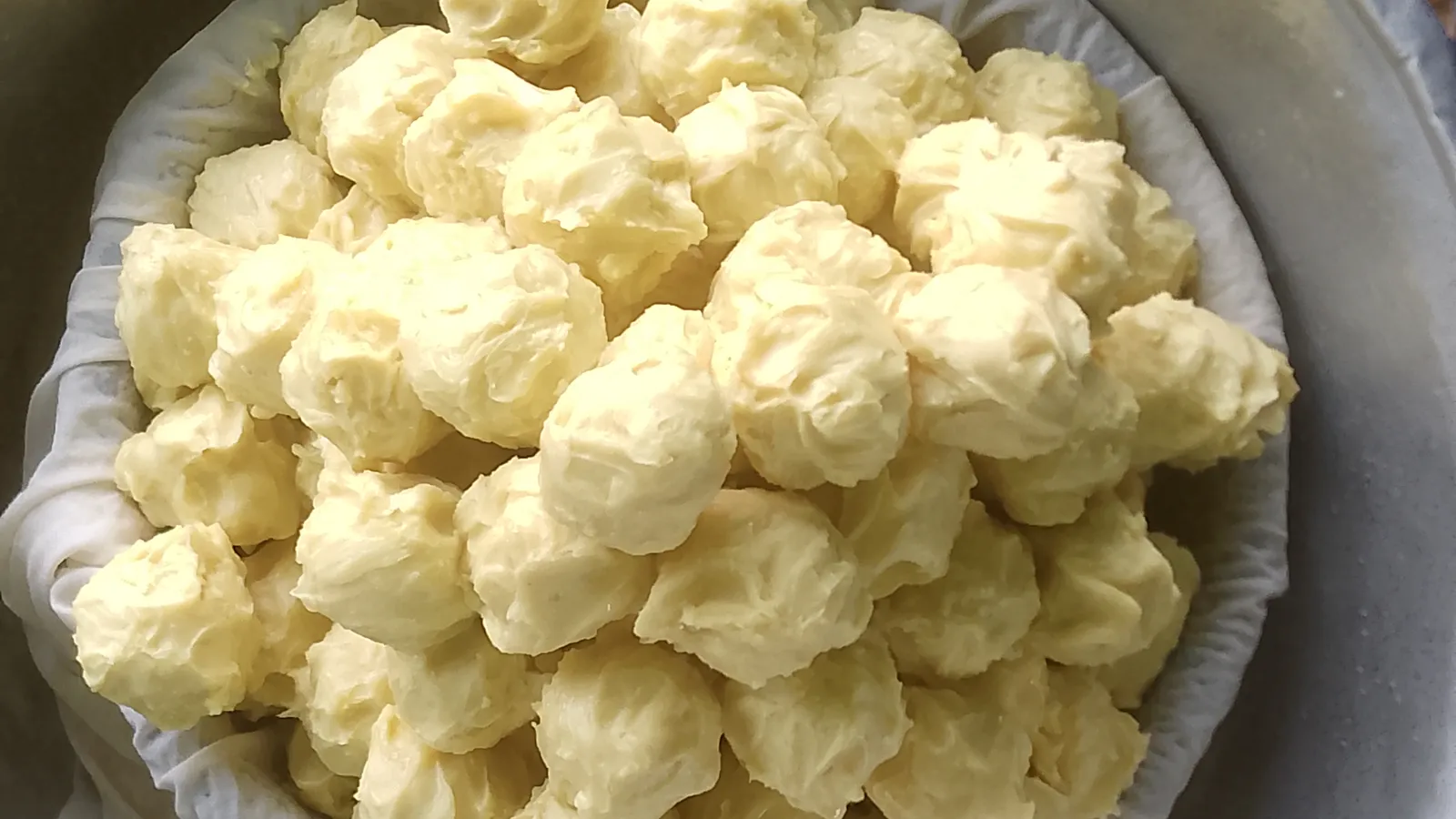
Shea butter deserves its own moment, because it is the harmattan staple in so many West African homes. It is a rich butter that sits on the skin and helps hold moisture in, which is exactly what you want on elbows, knees, heels and hands. Warm a small amount between your palms and press it into damp skin after your bath.
On your face, think about your skin type. If you are prone to breakouts, a heavy butter all over your face may not suit you. Choose a non-comedogenic face moisturiser instead (one that is less likely to clog pores) and save the shea butter for your body. If your skin changes with your cycle too, our guide to hormonal acne and skin changes in women explains why.
How do I stop my lips cracking in harmattan?
Use a gentle lip balm often, stop licking your lips, and wear SPF on them outdoors. The AAD's advice on healing dry, chapped lips recommends balms with ingredients such as petrolatum, shea butter, ceramides, dimethicone or mineral oil, and suggests skipping products with camphor, menthol, eucalyptus or strong flavours like mint, cinnamon and citrus, which can irritate already cracked lips.
Licking your lips feels like it helps, but as saliva evaporates it leaves them drier. Keep a balm in your bag, your car and beside your bed, and reach for it every time you catch yourself licking. Before going outside, the AAD recommends a non-irritating lip balm with SPF 30 or higher, reapplied every two hours.
Sunscreen still matters in harmattan
The hazy sky can make it feel like the sun has gone on holiday, but it has not. The AAD recommends that people with darker skin tones use a tinted sunscreen with iron oxide, because iron oxide helps protect against visible light, a cause of dark spots. It should also be SPF 30 or higher, broad spectrum and water resistant, and ideally blend into your skin without a white cast. If you are prone to dark marks after spots or irritation, daily sunscreen is one of the most useful habits you can build.
Eyes, nose and breathing
Dust and dry air are hard on more than your skin. The NHS lists windy, dry or dusty conditions among the causes of dry eyes, which can feel itchy, gritty, sore or watery. Cleaning your eyelids gently with warm water, taking breaks from screens, and using a humidifier can help, and a pharmacist can advise on lubricating eye drops. If you wear contact lenses, give your eyes rest days with glasses. See an optician or doctor if your eyes stay dry after a few weeks of home care, and get urgent help if your eye is painful and red or your vision changes.
If you have asthma, harmattan deserves planning. In the Sokoto study, about half of participants had their asthma flare during the harmattan season, compared with fewer than a third in the rainy season. Before the season starts, check that your inhalers are in date, keep your reliever with you, and ask your doctor or nurse about your action plan. Limit time outdoors on very dusty days, and keep windows closed when the haze is thick. The NHS advises calling emergency services if, during an asthma attack, you feel worse at any time or do not improve after using your reliever inhaler as directed.
When to see a clinician
Most harmattan dryness improves with these habits. See a doctor, dermatologist or pharmacist if your skin cracks and bleeds, looks infected, or itches enough to disturb your sleep, or if dry patches do not improve after a few weeks of regular moisturising. If you have eczema, the NHS notes it can be worsened by changes in temperature, and a flare may need treatment beyond a good cream.
Harmattan is also a good time to look after yourself more broadly, with a slower evening routine and an early night. Our guide to self-care routines for women has more ideas. Then grab the shea butter, put the lip balm in your pocket, and wait for the rains.
This post is education, not medical advice.
Sources
- Ghana Meteorological Agency. State of the Climate in Ghana 2024. meteo.gov.gh
- Influence of seasonal changes on asthma exacerbation in a Sudan savanna region: an analysis of 87 cases. PMC
- American Academy of Dermatology. Dermatologists' top tips for relieving dry skin. aad.org
- American Academy of Dermatology. Dermatologists' tips for healing dry, chapped lips. aad.org
- American Academy of Dermatology. How to fade dark spots in darker skin tones. aad.org
- NHS. Dry eyes. nhs.uk
- NHS. Asthma attacks. nhs.uk
- NHS. Atopic eczema: causes. nhs.uk
← Back to The Journal