When Anxiety Shows Up in Your Body
A racing heart, a churning stomach and a tight chest can all come from anxiety. They can also come from other conditions. Here is why anxiety feels so physical, how to know when to get checked, and what helps.
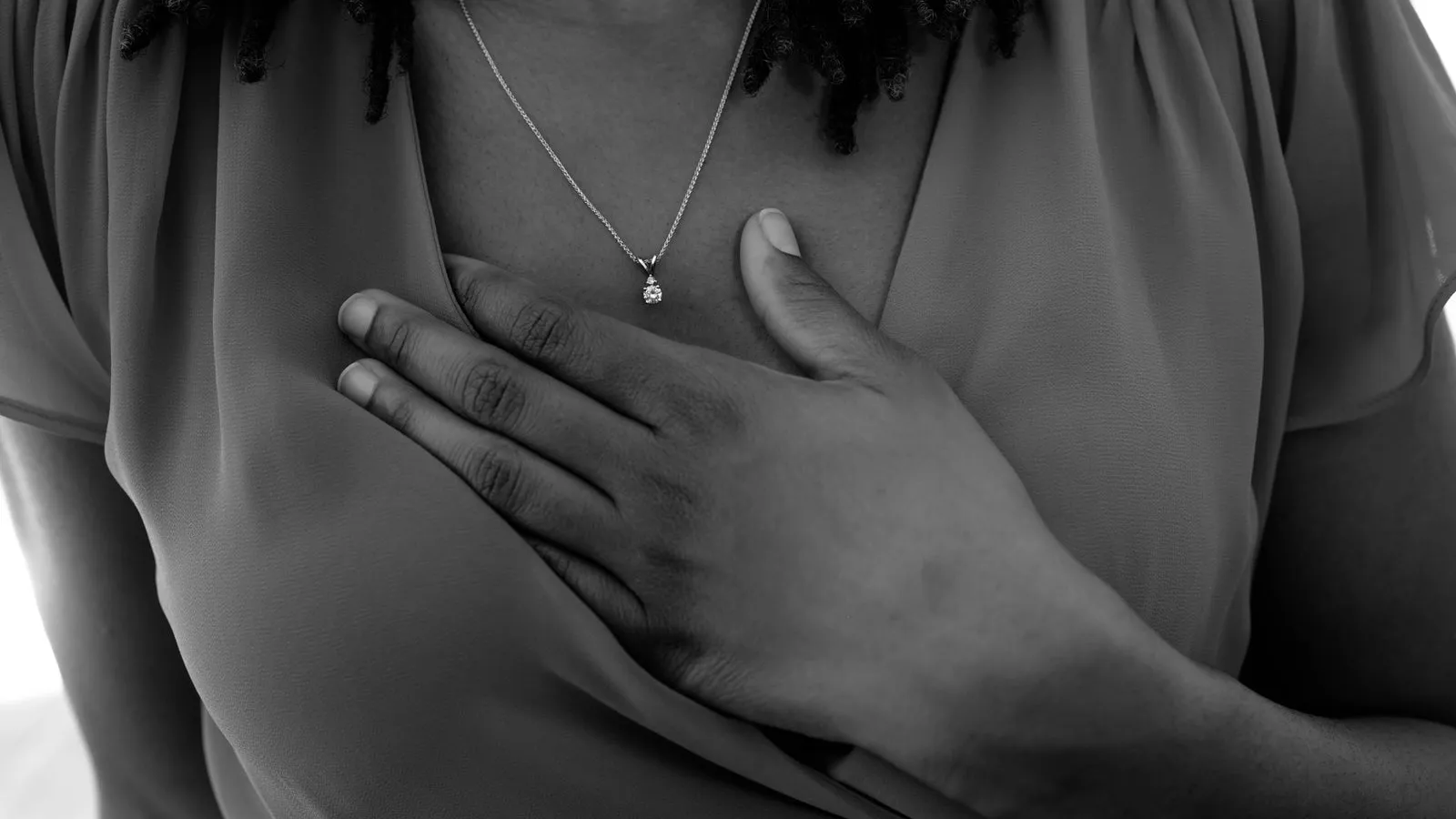
TL;DR: Anxiety can cause palpitations, a tight chest, dizziness, nausea, shaking and poor sleep because your body is preparing to face a threat. These symptoms can also come from a heart problem, an overactive thyroid or anaemia, so get them checked, and treat sudden chest pain as an emergency. Once other causes are ruled out, talking therapy, medication, breathing exercises and regular movement can all help.
Sometimes your mind says you are fine and your body disagrees. You are sitting at your desk in Nairobi or on the bus in Peckham, nothing is wrong, and your heart is thumping. Your stomach has been unsettled for weeks. Your shoulders live somewhere near your ears. You may have gone from clinic to clinic and left with "it is just stress" or with no answer at all. Anxiety is one possible explanation, and it is a physical experience as much as a mental one. This post covers what it can feel like, why that happens, and how to make sure nothing else is being missed.
What does anxiety feel like in the body?
Anxiety can affect almost every system in your body. The NHS lists difficulty sleeping, tiredness, tension, stomach problems, palpitations and feeling lightheaded or dizzy among the physical symptoms of generalised anxiety disorder, which it says is more common in women than men. The World Health Organization adds sweating, trembling or shaking, and nausea or abdominal distress.
A panic attack is more intense and more sudden. The NHS describes a racing heartbeat, feeling faint, sweating, nausea, chest pain, difficulty breathing, shaky limbs, a choking feeling and tingling fingers. Most panic attacks last between 5 and 20 minutes. They can be terrifying, especially the first time.
In some communities it is easier to say "my chest is troubling me" than "I am anxious". NICE guidance tells UK clinicians to consider generalised anxiety disorder in people seeking reassurance about physical symptoms, particularly older people and people from minority ethnic groups. If you have been describing your distress through your body, you are in good company, and a good clinician will take it seriously. Our post on talking about mental health with your African family may help if you are worried about what people will say.
Why does anxiety make your body react like this?
Because your body is getting ready for danger, even when the danger is an email. When your brain senses a threat, your adrenal glands release adrenaline, your heart beats faster, your pulse and blood pressure rise, and you breathe more quickly. This is useful if you need to run from something. It is exhausting when it fires again and again because of work, money, family or a worry that has no off switch. The fast heart, the shallow breathing and the jittery legs are that same system switched on with nowhere to go.
When should I rule out other causes?
Whenever the symptoms are new, are getting worse, or do not fit a pattern, ask to be checked. Anxiety should not be assumed until a clinician has looked at you properly. A few conditions can feel very similar.
Your heart. Chest pain and palpitations can come from anxiety, and the NHS lists anxiety or a panic attack as a possible cause of chest pain. You should not try to decide this alone. Our post on heart attack symptoms in women explains why women's symptoms are often missed.
Your thyroid. An overactive thyroid can cause anxiety, irritability, palpitations, sweating and shaking, and the NHS says it is about 10 times more common in women than men. A blood test can check how well your thyroid is working.
Anaemia. Low iron can bring tiredness, shortness of breath and noticeable heartbeats. The WHO estimates that more than 30 percent of women of reproductive age worldwide are anaemic, so if your periods are heavy or you are pregnant, ask for a full blood count. Our post on iron deficiency anaemia has more.
Hormonal shifts and stimulants. The NHS says stress, anxiety, caffeine, alcohol and nicotine can all trigger palpitations, and that they can happen in pregnancy. They are also a listed symptom of menopause, along with hot flushes that can bring on anxiety. If your symptoms began in your 40s alongside changes to your periods, read about perimenopause symptoms.
When is it an emergency?
Do not wait to see whether it passes. The NHS says to call 999 for sudden chest pain that does not go away, pain that spreads to your arm, neck, jaw, stomach or back, or chest pain with sweating, feeling sick, light-headedness or breathlessness. It also says to get emergency help for palpitations that will not stop, or that come with chest pain, breathlessness or fainting. Outside the UK, go to the nearest hospital emergency department or call your local emergency number, and ask someone to take you if you can. Being told it was anxiety is a good outcome. Having a clinician rule it out is never a waste of their time.
What can I do in the moment?
During a panic attack, the NHS suggests staying where you are if you can, taking slow deep breaths, and reminding yourself that it will pass. Once you have been checked and know it is panic, it can help to say to yourself that this is frightening and that it will not harm you.
For a simple breathing exercise, the NHS suggests getting comfortable, breathing in through your nose and out through your mouth, gently and steadily, and counting to 5 on each breath if you can. Keep going for at least 5 minutes. It works best when you practise regularly, including on your calmer days, and it takes only a few minutes.
What helps over time?
Anxiety disorders are treatable. The WHO calls psychological treatments essential, with cognitive behavioural approaches having the strongest evidence, and notes that antidepressants called SSRIs can help adults. It also reports that only about 1 in 4 people who need treatment receive any. In the UK, a GP will usually suggest talking therapies before medicine, and adults can refer themselves to NHS talking therapies.
Movement helps too. A large overview of 97 reviews found that physical activity had medium-sized benefits for anxiety symptoms across many groups of adults, with greater improvements at higher intensity. A brisk walk, a dance class or a strength routine at home all count.
Keep an eye on caffeine, since it can trigger palpitations, and protect your sleep with the ideas in sleep tips for women. For more on telling worry apart from low mood, see our guide to anxiety and depression in women, and if cost is the barrier, our map of affordable therapy in Lagos, Nairobi and London. Everything we have written on this topic is gathered in our mental health guide.
If you notice that symptoms cluster before your period, Asele's symptom logging can help you see the pattern over a few months, and the record gives a clinician something concrete to work with.
This post is education, not medical advice. If you have thoughts of harming yourself or feel you cannot keep yourself safe, go to your nearest emergency department today or call your local emergency number. In the UK, you can call Samaritans free on 116 123 at any time.
References
- NHS. Generalised anxiety disorder in adults. nhs.uk
- NHS. Panic disorder. nhs.uk
- World Health Organization. Anxiety disorders fact sheet. who.int
- NICE. Generalised anxiety disorder and panic disorder in adults (CG113), recommendations. nice.org.uk
- Harvard Health Publishing. Understanding the stress response. harvardhealth.org
- NHS. Chest pain. nhs.uk
- NHS. Overactive thyroid: symptoms. nhs.uk
- NHS. Overactive thyroid. nhs.uk
- NHS. Iron deficiency anaemia. nhs.uk
- World Health Organization. Anaemia fact sheet. who.int
- NHS. Heart palpitations. nhs.uk
- NHS. Menopause symptoms. nhs.uk
- NHS. Breathing exercises for stress. nhs.uk
- Singh B, et al. Effectiveness of physical activity interventions for improving depression, anxiety and distress: an overview of systematic reviews. British Journal of Sports Medicine, 2023. pubmed.ncbi.nlm.nih.gov
- NHS. Where to get urgent help for mental health. nhs.uk
← Back to The Journal