Antibiotics and You: Why Self-Medicating Backfires
Buying antibiotics over the counter for a cold, a burning wee or a bout of discharge can feel like saving time. Here is why it often backfires, what antimicrobial resistance means for women, and how to use antibiotics safely.
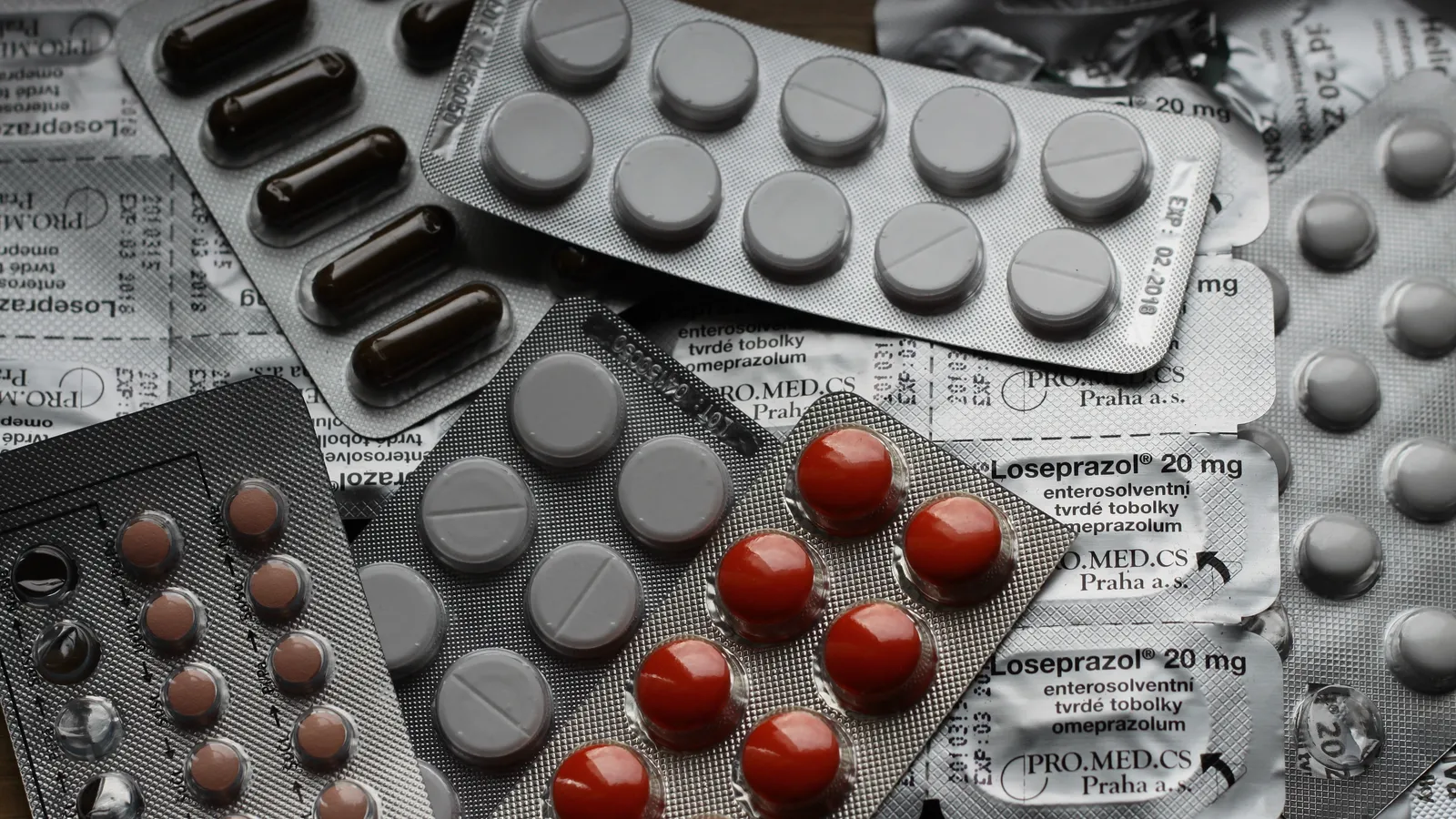
TL;DR: Antibiotics treat bacterial infections, not colds, flu or most coughs. Taking them without a diagnosis, or taking leftovers, can hide what is causing your symptoms and helps bacteria become resistant, which is already making common infections like UTIs and gonorrhoea harder to treat. Take antibiotics only when prescribed for you, follow the instructions you are given, and return leftovers to a pharmacy.
You know the routine. A sore throat that will not quit, or that familiar burning when you wee, and before you have even thought about a clinic, someone says, "Just go to the chemist and ask for amoxicillin." In many neighbourhoods from Lagos to Nairobi, you can walk out with a strip of antibiotics in five minutes, no prescription, no test. It feels efficient. But this habit, repeated across millions of people, is one of the reasons antibiotics are slowly losing their power. This week is World Antimicrobial Resistance Awareness Week, so let us talk about what that means for you.
What is antimicrobial resistance?
Antimicrobial resistance, or AMR, happens when bacteria, viruses, fungi or parasites stop responding to the medicines designed to kill them. The World Health Organization explains that resistant infections become hard or impossible to treat, which raises the risk of severe illness, spread, disability and death. It estimates that bacterial AMR was associated with more than 4.7 million deaths worldwide in 2021.
The main driver is the misuse and overuse of antimicrobials. Every time antibiotics are taken, the most vulnerable bacteria die first and the hardiest survive. Use antibiotics often enough, or in the wrong way, and the survivors multiply. In October 2025, WHO reported that 1 in 6 laboratory-confirmed bacterial infections worldwide were resistant to antibiotics in 2023, rising to 1 in 5 in the WHO African Region.
Do antibiotics work for colds and flu?
No. Antibiotics only work against bacteria, and colds, flu and most coughs are caused by viruses. The NHS is clear that antibiotics do not work for viral infections such as colds and flu, and that many mild bacterial infections also get better on their own.
Taking antibiotics for a virus will not make you better faster. It does expose you to side effects such as nausea, diarrhoea and bloating, and gives bacteria in your body another chance to learn resistance. Rest, fluids, and paracetamol for fever or pain are usually what a cold needs. If you are unsure, a pharmacist or doctor can help you work out whether you need more.
Why is self-medicating with antibiotics so common in Africa?
The reasons make sense from the inside. Clinic queues are long, consultations cost money and a day off work, and pharmacies and patent medicine stores are close by and willing to sell. A 2025 systematic review in Systematic Reviews pooling 71 studies found that about 43 percent of adults worldwide had self-medicated with antibiotics, and the highest rate was in sub-Saharan Africa, at about 55 percent. The top reasons people gave were feeling they already knew enough about antibiotics, having used them successfully before, and seeing the illness as minor.
None of that makes anyone careless. It reflects a health system that can be hard to reach. But the cost of that shortcut gets paid later, often by the same person, when the next infection does not respond. We talked about the pharmacist's role in women's health on the podcast in Blush and Bloom episode 16, and a good pharmacist will ask questions before handing anything over.
How resistance shows up in women's health
AMR can sound abstract, but it touches some of the most common infections women get.
Urinary tract infections. UTIs are among the most common bacterial infections women get, and many are caused by E. coli. According to WHO's Global antibiotic resistance surveillance report 2025 (summary), resistance to first-line antibiotics in UTIs caused by E. coli and Klebsiella was typically higher than 30 percent in most countries. That means the tablet a friend used last year may not work for your infection. If a UTI is not improving after treatment, or you get fever, back or side pain, or blood in your urine, the NHS advises getting urgent medical help. Our UTI guide covers symptoms and prevention in more detail.
Gonorrhoea. The WHO gonorrhoea fact sheet describes resistance as a serious and growing problem that has made many classes of antibiotics ineffective. In November 2025, WHO warned that resistance to ceftriaxone, the preferred treatment, rose from 0.8 percent to 5 percent between 2022 and 2024 across the 12 countries in its enhanced surveillance programme, which include South Africa, Malawi and Uganda. WHO notes that women often have no symptoms, so guessing and treating yourself is especially risky. Untreated, it can lead to pelvic inflammatory disease and fertility problems. Testing at a sexual health clinic, and treating partners too, is the safe route. Our guide to STI symptoms, prevention and treatment explains what testing involves.
Discharge that is not bacterial. Changes in discharge are one of the most common reasons women buy antibiotics without a test. But thrush is caused by a yeast, which antibiotics do not treat, and only some causes of discharge need antibiotics at all. Taking the wrong medicine can delay the right one.
Why do I get thrush after antibiotics?
Antibiotics kill the bacteria causing your infection, but they also kill some of the helpful bacteria that keep yeast in check in your vagina. That is why the NHS lists taking antibiotics as one of the triggers for thrush. Itching, soreness and thick white discharge after a course of antibiotics are common and treatable, usually with an antifungal from a pharmacist. If it keeps coming back, or you are pregnant, see a clinician. Our guide to yeast infections and BV explains the difference between the two.
Should I finish the whole course of antibiotics?
Follow the instructions your prescriber gives you. For years, everyone was told to always finish the course, and NHS services such as NHS England still advise finishing it unless a healthcare professional tells you otherwise.
The thinking has evolved, though. In 2017, a group of UK infection specialists argued in the BMJ that the evidence for "always finish the course" was weak, and that taking antibiotics for longer than needed also drives resistance. Since then, many prescriptions have become shorter, and research continues into when it is safe to stop. What has not changed is this: you should not decide on your own to stop early, save tablets for next time, or take someone else's. Ask your prescriber how long you need, and if you feel worse or develop new symptoms, go back.
How to use antibiotics safely
A few habits protect you and everyone around you:
- Get a diagnosis first. A test, even a simple urine dip at a clinic, tells you whether you need antibiotics and which ones.
- Only take antibiotics prescribed for you, for this illness. Never borrow or share.
- Take them exactly as directed. If you miss a dose, the NHS advises taking it as soon as you remember, unless your next dose is nearly due. Do not double up.
- Do not keep leftovers "just in case". NHS England advises returning unused antibiotics to a pharmacy for safe disposal, because throwing them in household rubbish or down the sink or toilet harms the environment.
- Prevent infections where you can. Condoms reduce STI risk, and the NHS suggests drinking plenty of fluids to help prevent UTIs.
Know when to see someone
Some symptoms need a clinician quickly rather than a trip to the chemist: a high fever, pain in your back or side with urinary symptoms, pelvic pain with fever or unusual discharge, any infection in pregnancy, or symptoms that are not improving after treatment.
Keeping track helps you notice patterns, like UTIs that keep coming back around your period or thrush that follows every course of antibiotics. Asele lets you log symptoms alongside your cycle, and the Health Brief turns that into a pre-visit summary you can show your doctor. If you want to talk through a symptom before deciding where to go, Amara can chat with you in Yoruba, Hausa, Igbo, Swahili, French or English. Find us at Asele.
This post is education, not medical advice. Please speak to a pharmacist, doctor or sexual health clinic before starting or stopping any antibiotic.
References
- World Health Organization. Antimicrobial resistance fact sheet. who.int
- World Health Organization. WHO warns of widespread resistance to common antibiotics worldwide, 13 October 2025. who.int
- NHS. Antibiotics. nhs.uk
- The global prevalence of antibiotic self-medication among the adult population: systematic review and meta-analysis. Systematic Reviews, 2025. biomedcentral.com
- World Health Organization. Gonorrhoea (Neisseria gonorrhoeae infection) fact sheet. who.int
- World Health Organization. More countries report rising levels of drug-resistant gonorrhoea, warns WHO, 19 November 2025. who.int
- NHS. Vaginal thrush. nhs.uk
- NHS England Midlands. People in the Midlands are being encouraged to return unused antibiotics to help reduce antimicrobial resistance, 2024. england.nhs.uk
- World Health Organization. Global antibiotic resistance surveillance report 2025. who.int. Summary: CIDRAP, WHO: antimicrobial resistance widespread globally and increasing, 2025. cidrap.umn.edu
- Llewelyn MJ, et al. The antibiotic course has had its day. BMJ, 2017. doi.org
- NHS. Urinary tract infections (UTIs). nhs.uk
← Back to The Journal