Period Hygiene: Pads, Tampons, Cups, and Staying Fresh During Your Period
A practical guide to menstrual hygiene, how to use pads, tampons, menstrual cups, discs, and period underwear safely, plus tips for staying fresh, preventing infections, and understanding your options.

TL;DR: Good period hygiene is about keeping things clean, comfortable, and safe, not about your period being 'dirty.' Change your pad every 4 to 6 hours, your tampon every 4 to 8 hours, and empty your menstrual cup every 8 to 12 hours. Avoid douching or using scented products near your vagina. There is no single 'best' menstrual product, the right choice depends on your body, your flow, your budget, and what feels comfortable to you.
Your period is not dirty. Let's start there.
Menstruation is a normal biological process, and managing it doesn't have to be complicated, expensive, or stressful. But many of us were never taught the basics of menstrual hygiene, what products are available, how to use them safely, or what habits actually matter for our health.
This guide covers everything you need to know about keeping things clean and comfortable during your period, from choosing the right menstrual product to understanding what practices to avoid.
Menstrual Products: Your Options Compared
There are more options than ever before for managing your period. Each has its pros and cons, and the best choice depends on your body, your flow, your lifestyle, and your budget. Let's go through them.
Disposable Pads
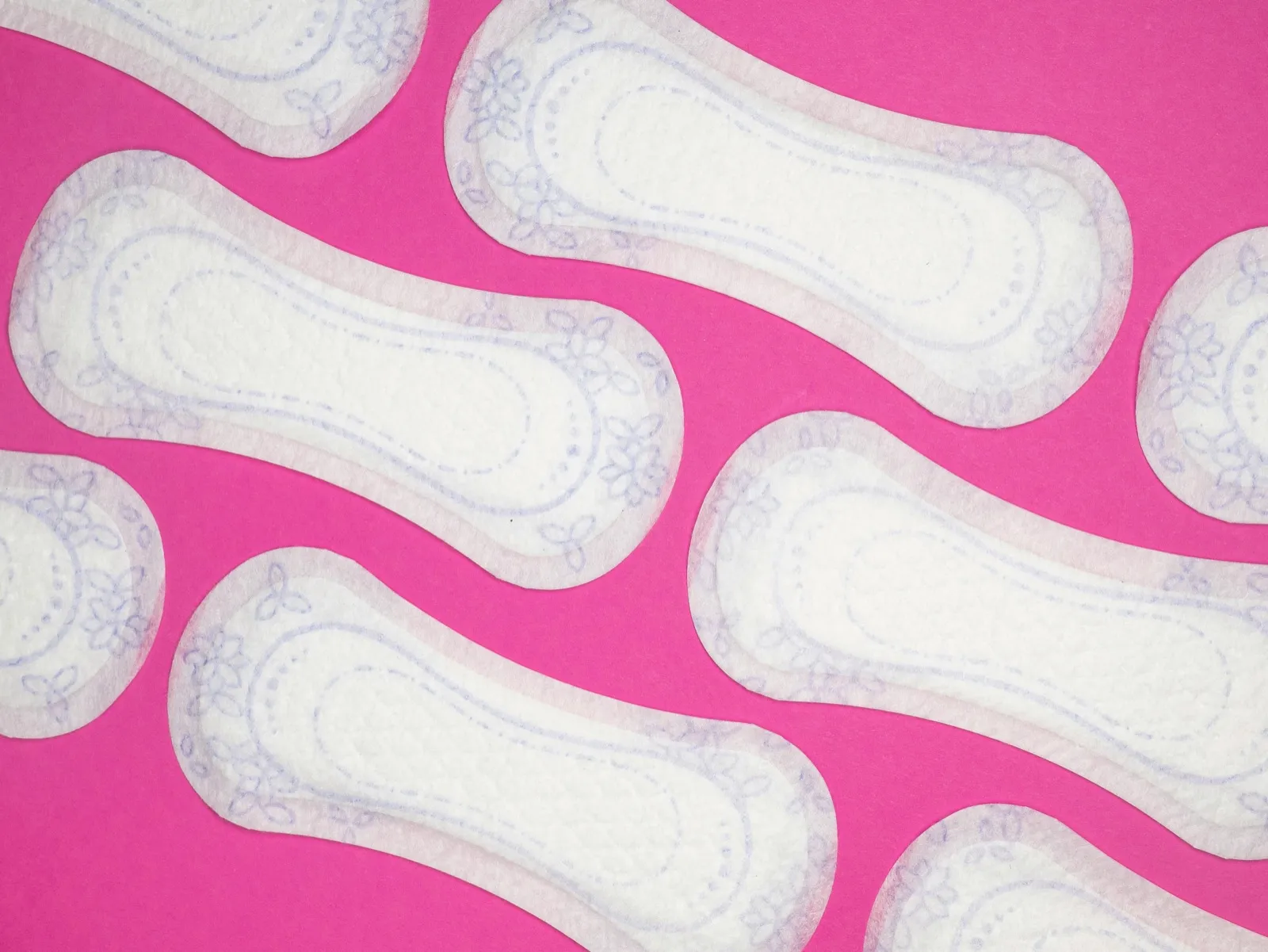
Disposable pads are adhesive pads that stick to the inside of your underwear and absorb menstrual blood externally. They're the most widely used menstrual product in the world.
Pros:
- Easy to use, no learning curve
- Widely available and come in many sizes and absorbencies
- Good option for overnight use
- No insertion required, which some people prefer
Cons:
- Can feel bulky or shift around
- Not ideal for swimming or certain physical activities
- Generate waste, a single person may use over 10,000 disposable pads in their lifetime
- Can cause irritation if left on too long or if they contain fragrances
How to use them safely:
- Change your pad every 4 to 6 hours, even if it doesn't feel full. On heavy days, you may need to change more often.
- Always change your pad before bed and put on a fresh one.
- Avoid scented pads, the fragrance can irritate your vulva (the external genital area) and disrupt your vaginal pH. (More on this in our vaginal health guide.)
- Wash your hands before and after changing your pad.
Reusable Cloth Pads
Cloth pads work the same way as disposable ones, but they're made from washable fabric (usually cotton, bamboo, or microfiber) and can be reused for years.
Pros:
- Environmentally friendly, significantly less waste
- Cost-effective over time (a set can last 3 to 5 years)
- Often softer and more breathable than disposable pads
- Free from chemicals and fragrances
- A good option in areas where buying disposable products regularly is expensive or difficult
Cons:
- Require washing after each use
- Need access to clean water for proper washing
- May take time to dry, especially in humid climates
- Can stain over time
How to use them safely:
- Rinse in cold water after use to remove blood before washing.
- Wash with mild soap and dry thoroughly, in the sun if possible, as sunlight helps kill bacteria.
- Change every 4 to 6 hours, just like disposable pads.
- Make sure they are completely dry before storing to prevent bacteria and mold growth.
Tampons
Tampons are small, compressed cylinders of absorbent material that you insert into the vagina to absorb blood internally.
Pros:
- Discreet and comfortable once inserted correctly
- You can swim, exercise, and move freely
- Come in different absorbencies (light, regular, super)
Cons:
- Require insertion, which can feel uncomfortable at first
- Small risk of toxic shock syndrome (TSS) if left in too long, more on this below
- Can be drying if you use a higher absorbency than you need
- Generate waste (though some biodegradable options exist)
How to use them safely:
- Always wash your hands before inserting or removing a tampon.
- Change your tampon every 4 to 8 hours. Never leave one in for more than 8 hours.
- Use the lowest absorbency that manages your flow. Using a "super" tampon on a light day can dry out vaginal tissue and increase the risk of irritation.
- Alternate between tampons and pads when possible, for example, use pads at night.
- Never insert more than one tampon at a time. If you think you might have forgotten one, check with clean fingers or see a doctor.
Menstrual Cups
Menstrual cups are small, flexible cups made of medical-grade silicone, rubber, or latex. You insert them into the vagina, where they collect (rather than absorb) blood.
Pros:
- Reusable for up to 10 years with proper care, very cost-effective
- Can be worn for up to 12 hours (longer than tampons)
- Eco-friendly, one cup replaces thousands of pads or tampons
- Don't dry out vaginal tissue
- Suitable for swimming and exercise
Cons:
- Learning curve, it can take a few cycles to get comfortable with insertion and removal
- Removal can be messy, especially in public restrooms
- Need access to clean water for rinsing between uses
- May not be comfortable for everyone, particularly if you have certain pelvic floor conditions
How to use them safely:
- Wash your hands thoroughly before inserting or removing your cup.
- Fold the cup (there are several folding techniques, the C-fold and punch-down fold are popular), insert it into the vagina, and let it open to create a seal.
- Empty the cup every 8 to 12 hours, depending on your flow. Rinse with water before reinserting.
- Sterilize your cup between periods by boiling it in water for 5 to 10 minutes.
- If you're in a place without running water, you can wipe the cup with toilet paper or an unscented wipe and rinse it properly when you can.
Menstrual Discs
Menstrual discs are similar to cups but sit higher in the vaginal canal, in the vaginal fornix (the space just below the cervix). They're disc-shaped rather than cup-shaped.
Pros:
- Can be worn for up to 12 hours
- Less likely to cause the "suction" feeling some people get with cups
- Can be worn during penetrative sex (most cups cannot)
- Available in both disposable and reusable versions
Cons:
- Insertion and removal can take practice
- Removal can be messier than cups
- Less widely available than other products in some regions
- Disposable versions are single-use
How to use them safely:
- Pinch the disc in half and insert it along the back wall of the vaginal canal, tucking the front rim behind your pubic bone.
- Empty every 8 to 12 hours.
- Reusable discs should be washed with mild, unscented soap and sterilized between cycles.
- As with cups, wash your hands before and after handling.
Period Underwear
Period underwear looks and feels like regular underwear but has built-in absorbent layers that soak up menstrual blood.
Pros:
- Comfortable and feels like wearing normal underwear
- Reusable, lasts 2 to 3 years with proper care
- Good as a backup with other products or as standalone protection on lighter days
- No insertion required
- Great for overnight use
Cons:
- More expensive upfront than disposable products
- Requires washing after each use
- May not be sufficient for very heavy flow days on its own
- Takes longer to dry than regular underwear
How to use them safely:
- Rinse in cold water after use, then machine wash (follow the brand's care instructions).
- Change when you feel damp or at least every 8 to 12 hours.
- Can be combined with a menstrual cup or tampon on heavy days for extra protection.
Which Product Is Right for You?
There is no single "best" menstrual product. Many people use a combination, a cup during the day, period underwear at night, pads on lighter days. The right choice depends on:
- Your flow, Heavy periods may need higher absorbency or a combination of products.
- Your comfort level, Not everyone is comfortable with insertion, and that's completely fine.
- Your lifestyle, Active lifestyles or swimming may work better with internal products.
- Your budget, Reusable options cost more upfront but save money over time.
- What's available to you, Access to products varies widely, especially in low-resource settings.
Toxic Shock Syndrome (TSS): What It Is and How to Prevent It
Toxic shock syndrome is a rare but serious condition caused by bacterial toxins, most commonly from Staphylococcus aureus (staph bacteria). While it can happen to anyone, it has been historically linked to tampon use, specifically, leaving high-absorbency tampons in for too long.
Symptoms of TSS
TSS can come on suddenly and progress quickly. Symptoms include:
- A sudden high fever (38.9°C / 102°F or above)
- Vomiting or diarrhea
- A rash that looks like sunburn, especially on the palms and soles
- Dizziness, fainting, or confusion
- Muscle aches
- Headache
If you experience these symptoms during your period, especially while using a tampon, remove the tampon immediately and seek emergency medical care. TSS is treatable, but it requires urgent attention.
How to Reduce Your Risk
- Change tampons every 4 to 8 hours, never leave one in longer than 8 hours.
- Use the lowest absorbency tampon that works for your flow.
- Alternate between tampons and pads.
- Wash your hands before and after inserting a tampon.
- Menstrual cups and discs have a very low risk of TSS, but should still be emptied and cleaned regularly.
Hygiene Tips for Staying Fresh During Your Period
Here's what actually helps, and what to skip.
Do
- Change your product regularly. Pads every 4 to 6 hours, tampons every 4 to 8 hours, cups and discs every 8 to 12 hours.
- Wash your vulva with warm water. Plain water is enough. If you want to use a cleanser, choose a mild, unscented, pH-balanced wash, and only on the external area (the vulva), never inside the vagina.
- Wear breathable underwear. Cotton underwear allows airflow and helps reduce moisture buildup, which lowers the risk of irritation and infections.
- Wipe front to back. This prevents bacteria from the rectal area from reaching the vagina or urethra.
- Shower or bathe daily. Regular bathing during your period helps you feel fresh. There's no medical reason to avoid baths during your period.
- Wash your hands before and after changing any menstrual product.
Don't
- Don't douche. Douching (flushing water or other solutions into the vagina) disrupts your natural vaginal flora (the community of healthy bacteria that protects against infections). It can actually increase your risk of bacterial vaginosis and other vaginal infections.
- Don't use scented products near your vagina. This includes scented pads, tampons, sprays, powders, and wipes. Fragrance can irritate sensitive tissue and throw off your pH balance.
- Don't use harsh soaps internally. Your vagina is self-cleaning. It does not need soap, vinegar, or any special products inside it.
- Don't wear damp underwear or pads for extended periods. Moisture creates an environment where bacteria and yeast thrive.
What About Period Odor?
Menstrual blood has a natural scent, slightly metallic, which comes from the iron in your blood. This is completely normal and usually not noticeable to others.
A strong or foul odor, however, can be a sign that a product has been left in too long, or that there may be an infection. If you notice an unusual smell that doesn't go away with regular hygiene, it's worth checking with a healthcare provider. (Our vaginal discharge guide can help you understand what's normal and what's not.)
Period Hygiene in Low-Resource Settings
Not everyone has easy access to commercial menstrual products, clean water, or private sanitation facilities. For millions of women and girls worldwide, managing a period safely and with dignity remains a daily challenge.
Affordable and Reusable Options
- Reusable cloth pads can be made at home from clean cotton fabric and last for years with proper care. Several organizations provide patterns and instructions for making them.
- Menstrual cups are a one-time investment that can last up to 10 years. Some global health programs distribute cups for free or at reduced cost.
- Period underwear is becoming more accessible in some markets, though cost remains a barrier.
Making It Work with Limited Resources
- If clean water is limited, wiping a menstrual cup with clean tissue or cloth between uses and washing it thoroughly when water is available is an acceptable approach.
- Drying cloth pads in direct sunlight helps disinfect them.
- If commercial products are unavailable, clean, dry cloth folded into a pad shape can be used temporarily, but it should be washed thoroughly with soap and water and dried completely before reuse.
WASH Facilities Matter
Access to Water, Sanitation, and Hygiene (WASH) infrastructure is fundamental to menstrual health. Schools, workplaces, and public spaces should provide:
- Clean, private toilets
- Access to water and soap
- Covered bins for disposing of menstrual waste
- A safe, stigma-free environment
When these facilities are absent, girls miss school, women miss work, and health risks increase.
Period Poverty and Menstrual Equity
Period poverty refers to the inability to afford menstrual products, as well as limited access to sanitation facilities, menstrual health education, and waste management. It affects people across the globe, not only in low-income countries, but also in wealthier nations where products are taxed as "luxury" items or priced out of reach for those on low incomes.
The consequences are real:
- Girls in sub-Saharan Africa miss an estimated 10 to 20% of school days due to their periods.
- Lack of products and private facilities leads some to use unsafe alternatives like rags, leaves, newspaper, or mattress stuffing, increasing the risk of infection and irritation.
- The shame and secrecy surrounding menstruation can prevent people from seeking help for conditions like heavy periods or irregular cycles that are actually very treatable.
Menstrual equity means ensuring that everyone who menstruates has access to products, education, and sanitation, and that periods are not treated as a barrier to education, work, or public life. Some countries have started removing taxes on menstrual products ("tampon tax"), and community organizations across Africa and globally are working to distribute free products and provide education.
Breaking the Silence: Addressing Cultural Taboos
In many African communities, and many communities around the world, menstruation is still surrounded by silence, shame, and misinformation. Girls may be told that their periods are "unclean" or that they should isolate themselves. Some are discouraged from cooking, entering places of worship, or touching certain objects while menstruating. These beliefs have no basis in medicine or science.
This silence has real consequences:
- Young girls reach menarche (men-AR-kee), their first period, without understanding what is happening to their bodies, leading to fear and confusion.
- Embarrassment prevents open conversations with parents, teachers, and healthcare providers.
- Myths about menstruation can lead to harmful practices, such as using unsafe materials or avoiding bathing during periods.
- Stigma keeps people from seeking medical care for period-related problems that could be treated.
What helps:
- Open, age-appropriate education about menstruation before it starts, ideally by age 9 or 10.
- Normalizing conversations about periods at home, in schools, and in communities.
- Including boys and men in menstrual health education, understanding periods shouldn't be only women's knowledge.
- Healthcare providers asking about menstrual health routinely and without judgment.
- Community leaders and role models speaking openly about menstruation to challenge stigma.
Your period is a sign that your body is working. It's not shameful, it's not a punishment, and it should never be a reason to miss out on life.
The Bottom Line
Good menstrual hygiene is simpler than it's often made to seem. Choose a product (or combination of products) that works for your body and your life. Change it regularly. Keep things clean. Skip the douches and scented products. And if something feels off, unusual odor, irritation, pain, or a change in your flow, don't ignore it.
Your period is a normal part of your health. Managing it well is just about giving your body what it needs to stay comfortable and infection-free.
References
- World Health Organization. "Menstrual Health." who.int
- NHS. "Periods and Period Problems." nhs.uk
- Cleveland Clinic. "Menstrual Hygiene: What You Need to Know." clevelandclinic.org
- NHS. "Toxic Shock Syndrome." nhs.uk
- Cleveland Clinic. "Toxic Shock Syndrome." clevelandclinic.org
- UNICEF. "Menstrual Hygiene." unicef.org
- The Lancet. "Menstruation and Human Rights." thelancet.com
- American College of Obstetricians and Gynecologists. "Menstrual Cups, Discs, and Other Menstrual Products." acog.org
- BMJ. "Menstrual Cup Use, Leakage, Acceptability, Safety, and Availability: A Systematic Review and Meta-Analysis." bmj.com
Related posts on Asele:
← Back to The Journal